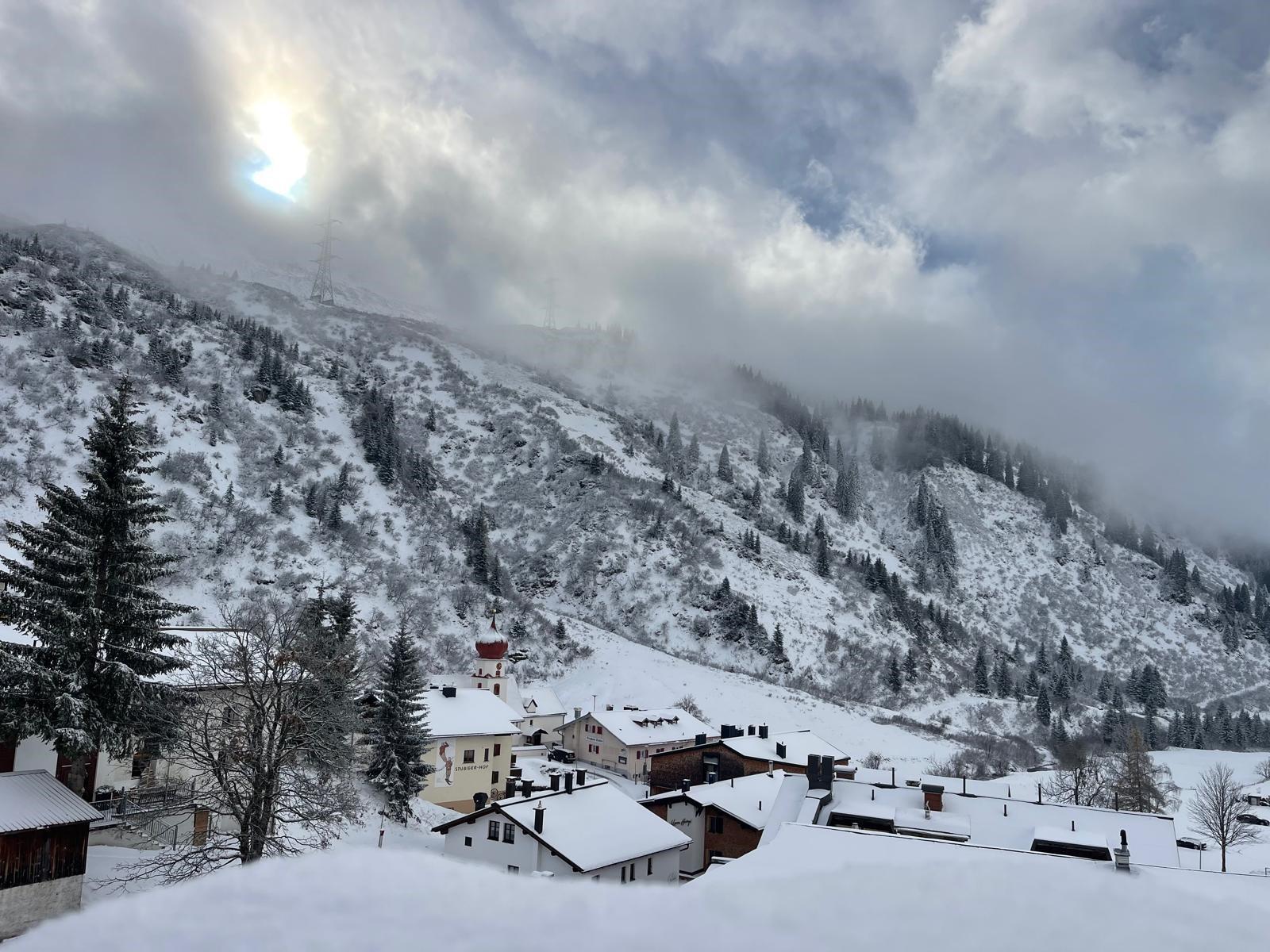
Stuben am Arlberg offers the same connected slopes Lech is famous for, at a fraction of the polish and generally a lower price point, real history dating to 1739 in a village of around 90 residents. Lech, a short drive along the same pass, has spent decades building a reputation for understated five-star glamour instead, royalty and celebrities among its regular guests, wooden chalets lining a river, Michelin-starred dining scattered through a village of around 1,500 residents. A genuine stuben am arlberg vs lech comparison really comes down to exactly that tradeoff.
Stuben vs Lech: The Quick Answer
Stuben am Arlberg suits a traveler who wants the same connected terrain, real history dating back to 1739, and a noticeably lower price point without the five-star trappings attached. Lech suits a traveler who wants five-star polish, a wide choice of high-end dining, and a village built around long-established luxury.
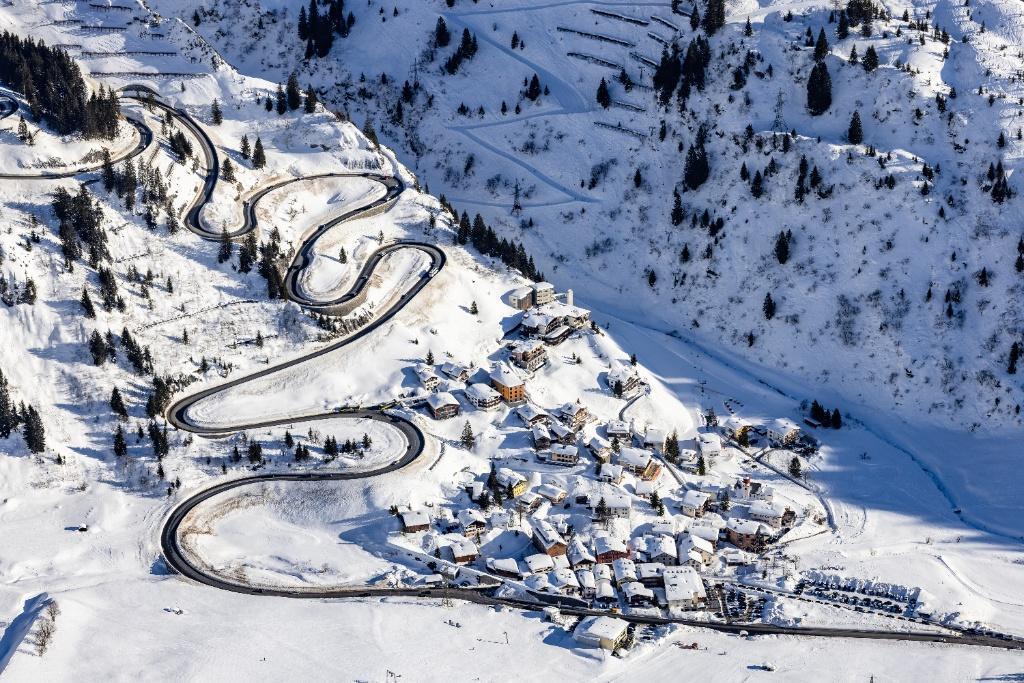
Both villages sit inside the same Ski Arlberg network, so this stuben am arlberg vs lech decision is not really a terrain question at all, it is a question of budget, atmosphere, and how much polish a trip actually needs.
| Category | Stuben | Lech |
|---|---|---|
| Population | Around 90 residents | Around 1,500 residents |
| Atmosphere | Boutique, historic and intimate | Five-star polish, established luxury |
| Best For | Value-conscious travelers, couples, off-piste skiers | Celebrations, luxury travelers, mixed-ability families |
| Terrain Highlight | North-facing off-piste, less-tracked snow | Wide, immaculately groomed cruising |
The Same Ski Area, Two Different Villages
As with any comparison inside the Arlberg, the mountain itself does not change between these two bases. What changes is everything around it, the price of a room, the formality of dinner, and the overall character of the village a skier actually returns to each evening.
One Arlberg Pass, Fully Connected Slopes
A single Ski Arlberg pass covers both villages, Austria’s largest interconnected ski area at 305 kilometers of piste and 88 lifts, with roughly 200 kilometers of off-piste terrain on top of the marked runs. Neither Stuben nor Lech requires a separate pass or a different network to reach the other’s slopes.
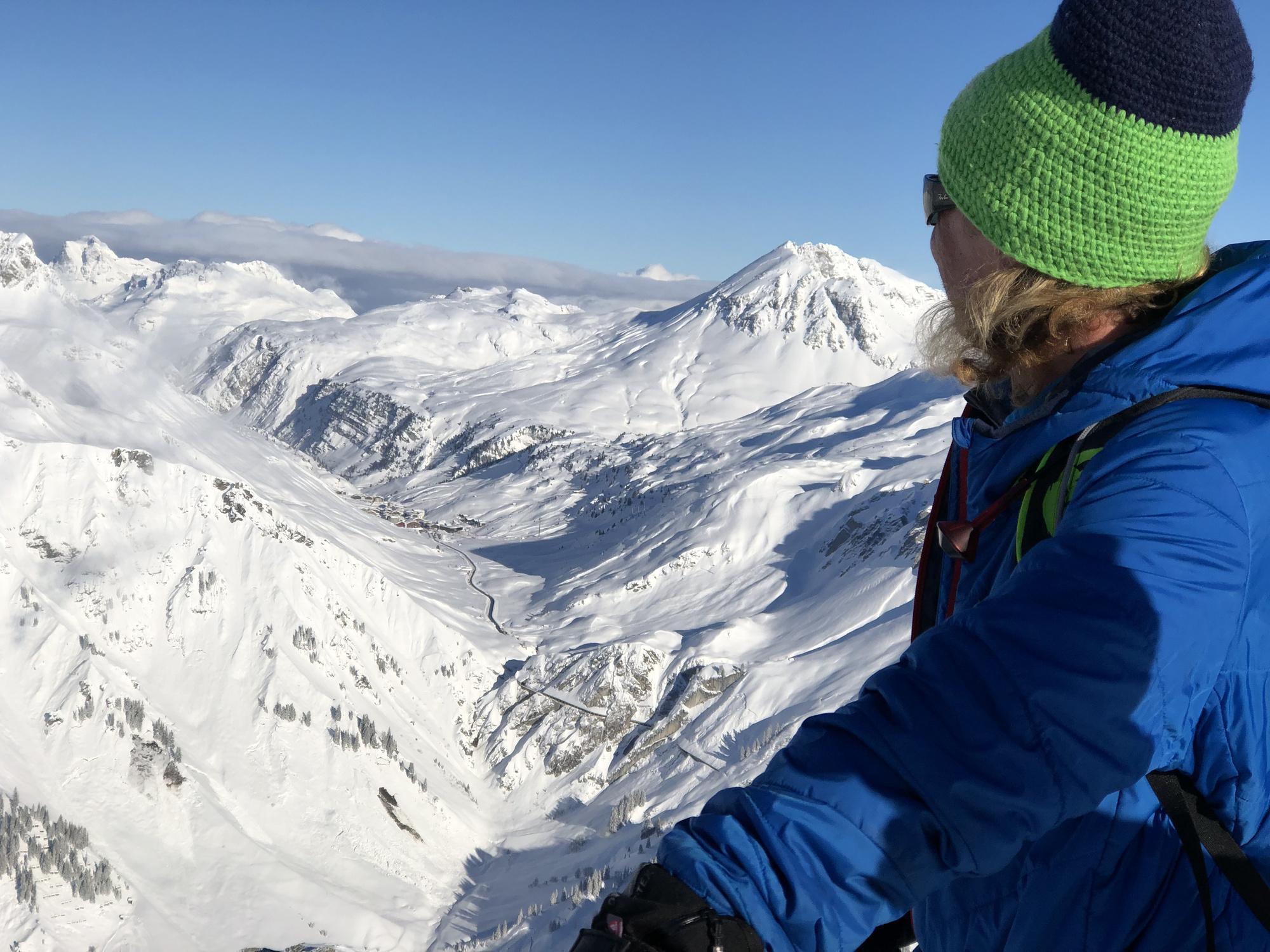
That shared network is the detail most stuben am arlberg vs lech comparisons undersell. A skier does not lose access to Lech’s wide cruising terrain by basing in Stuben, and a skier based in Lech loses nothing of the Albona’s own north-facing snow either, both remain a lift ride away regardless of where the trip actually starts each morning.
The Flexenbahn gondola, opened in 2016, physically links the Stuben and St Anton side of the mountain to the Lech and Zurs side, meaning a skier based in either village can reach the other’s terrain without leaving the lift system. That connection is what makes a genuine stuben am arlberg vs lech comparison possible in the first place.
How Stuben & Lech Compare in Size
Stuben stays small deliberately, a single main street and a handful of properties clustered around the historic village center, home to roughly 90 permanent residents. That size difference alone explains most of what separates a night out in each village, not the skiing, which stays identical either way.
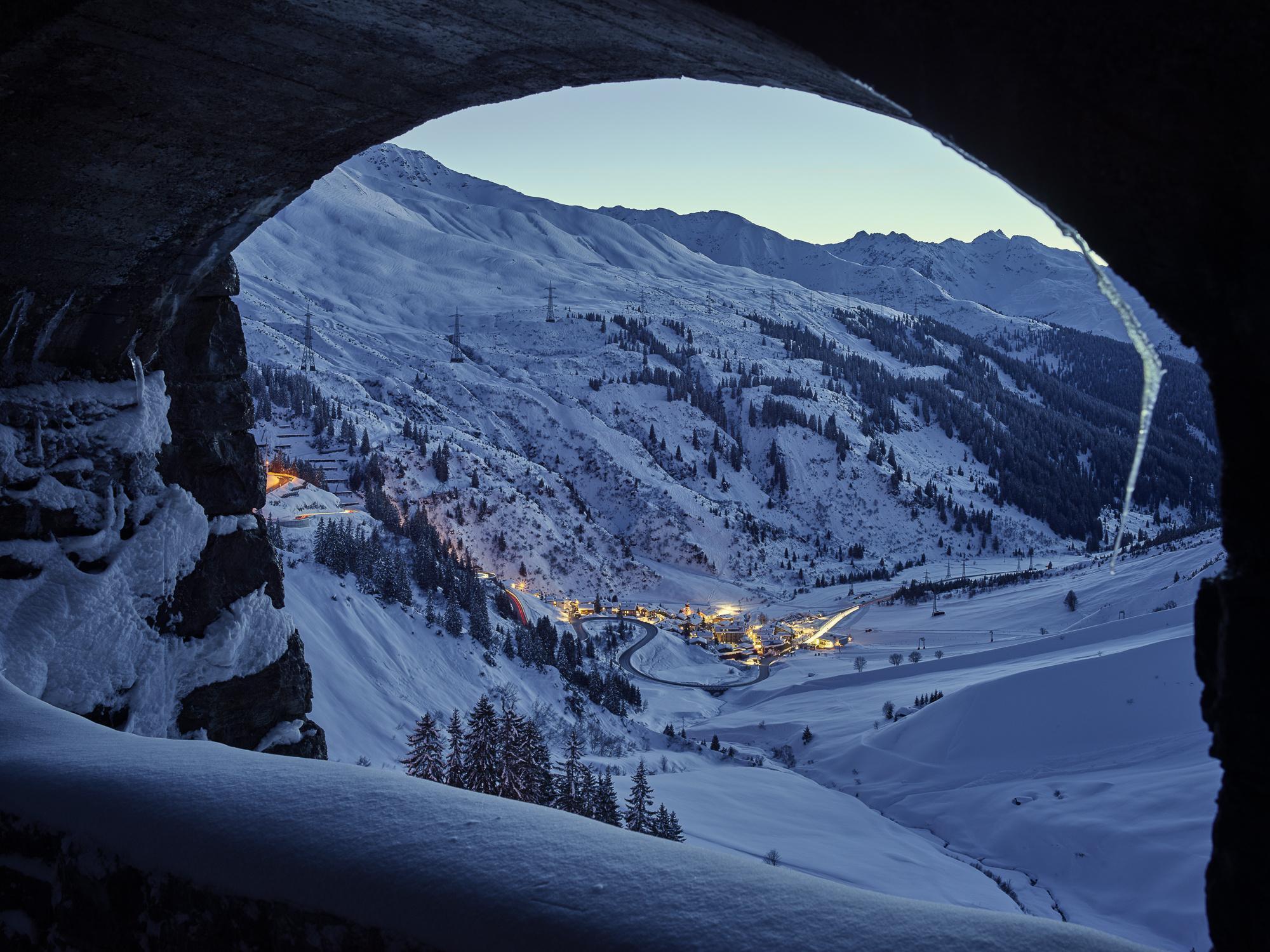
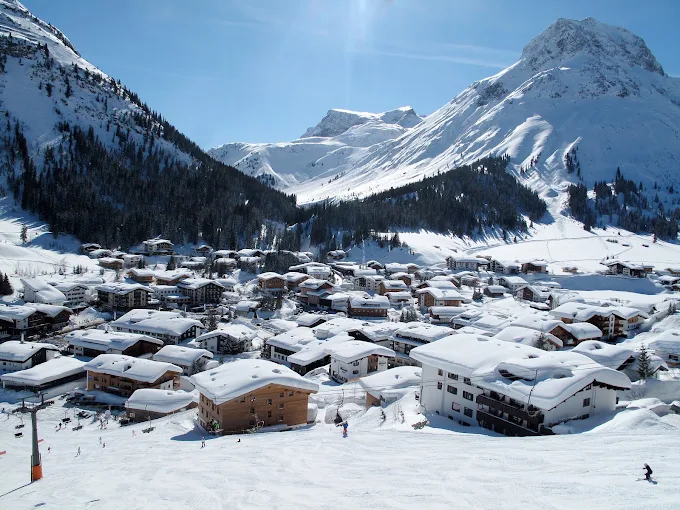
Lech has around 1,500 permanent residents, considerably more than Stuben’s, and the accommodation base to match: a wide spread of five-star hotels, boutique chalets, and a genuinely large number of restaurants for a village its size. Zurs, Lech’s smaller neighbor, holds only around 150 residents and leans even further into exclusivity.
That contrast in scale shows up immediately on arrival. Stuben reads as a working alpine village that happens to have real hospitality depth behind its own modest size, while Lech’s village center reads as a genuine small resort town, purpose-built infrastructure, multiple distinct shopping streets, and a visible concentration of luxury retail alongside the hotels.
Atmosphere & Style
This is where the two villages diverge sharply, and where the real decision for most travelers actually lives. Nothing about the skiing itself changes this comparison, only how a traveler wants to spend the hours between lift closing and the next morning’s first run.
Restaurant density is one of the clearest practical markers of that difference. Lech supports dozens of dining options across every price tier up to Michelin level, while Stuben’s own scene stays deliberately compact, a handful of genuinely good venues rather than an overwhelming list to choose from each night.
Stuben – Historic & Intimate
There is no real shopping district to speak of in Stuben at all, an honest tradeoff for the quieter, less commercialized atmosphere. What replaces it is a village center small enough that every venue worth visiting is within a few minutes of every other one, no planning required to move between them.
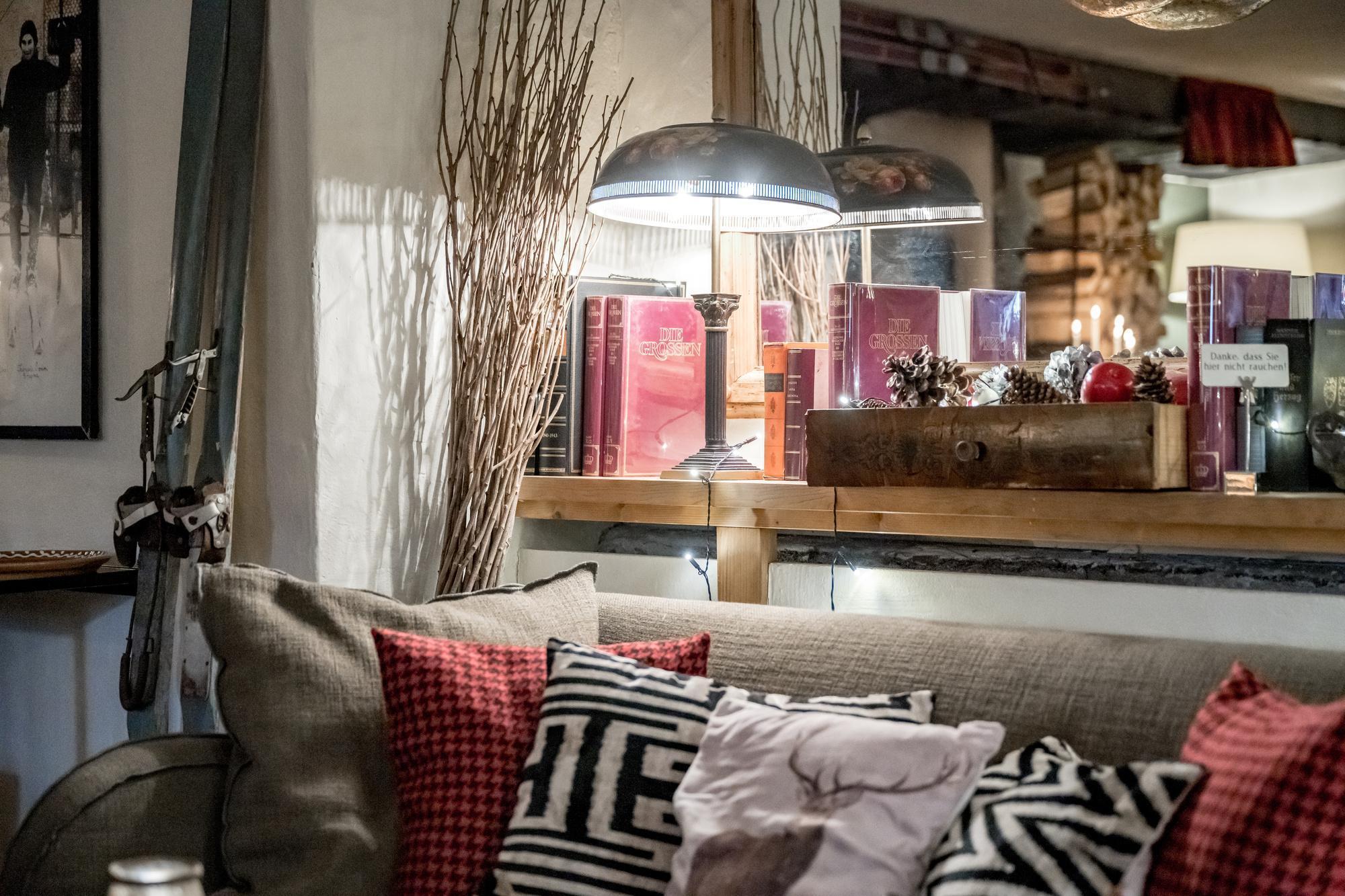
Stuben’s identity runs older rather than more polished. Ski Hotel Mondschein has operated on the same site since 1739, and the village’s own street names trace back to Hannes Schneider, who developed the Arlberg ski technique here in the early 20th century. The scale stays intimate throughout, a handful of real venues rather than a long list of five-star options.
It is a boutique alternative to Lech’s scale of luxury rather than a budget one exactly, the Mondschein Bar & Fireplace Lounge and a 17th-century wine cellar hold their own against Lech’s polish, just at a village-sized scale rather than a resort-town one. The Mondschein Club rounds out the evening options with a resident-DJ format that punches well above what a village of Stuben’s size would normally support, genuinely comparable to a night at Lech’s own K.Club in energy, just without the same five-star dress code or price attached to it.
Lech – Elegant & Polished
Lech has hosted royalty and celebrities for decades, and it markets itself accordingly: five-star hotels, Michelin-starred kitchens, and a level of polish that extends down to the wooden chalets lining the river through the village center. Venues like K.Club and the Ice Bar at the Romantic Hotel Krone capture that register exactly, exclusive, considered, and priced to match.
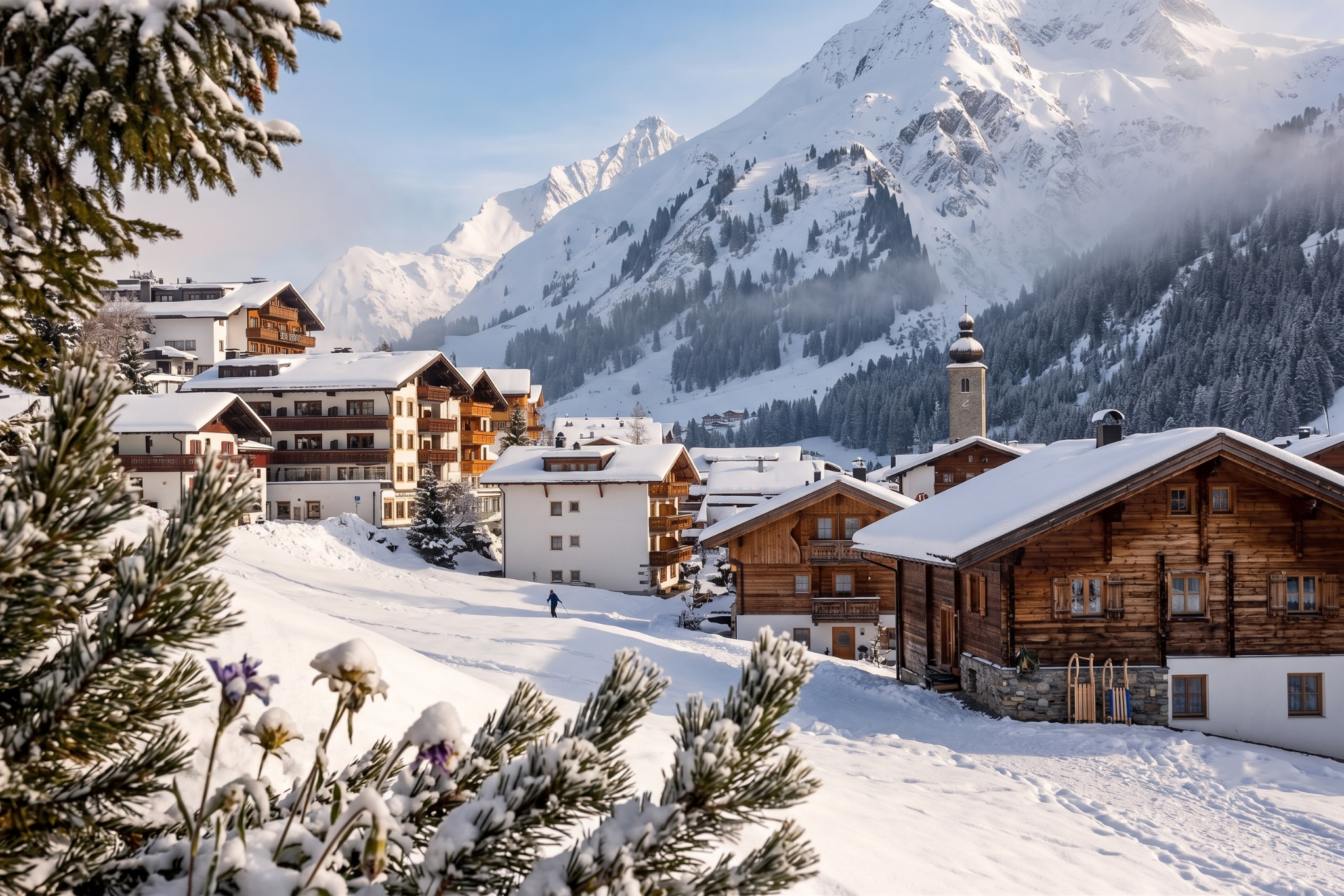
Shopping reflects the same positioning, boutiques carrying international luxury brands alongside genuinely local Vorarlberg craft, a combination very few alpine villages of Lech’s size can support. That polish is genuinely part of the appeal for a certain kind of trip, an anniversary, a milestone celebration, or simply a traveler who wants the reassurance of five-star service throughout, at a correspondingly higher price point across accommodation, dining, and apres alike.
Skiing & Terrain
Both villages access the same network, but the terrain immediately around each has a different character worth knowing before choosing a base.
| Terrain Trait | Stuben (Albona) | Lech & Zurs |
|---|---|---|
| Style | North-facing off-piste, less-tracked | Wide, immaculately groomed cruising |
| Best For | Advanced skiers, freeriders | Beginners, mixed-ability families |
| Lift Infrastructure | Traditional, smaller-scale | Modern, high-capacity gondolas |
Stuben’s Off-Piste & Albona
Advanced skiers and freeriders tend to prefer Stuben’s terrain profile, off-piste and less groomed, rewarding a guide for anyone chasing fresh lines beyond the marked runs. The Albona above Stuben faces north, holding snow later into the season than more exposed parts of the network. Ski Hotel Mondschein can arrange that guiding directly for guests wanting more than the marked runs.
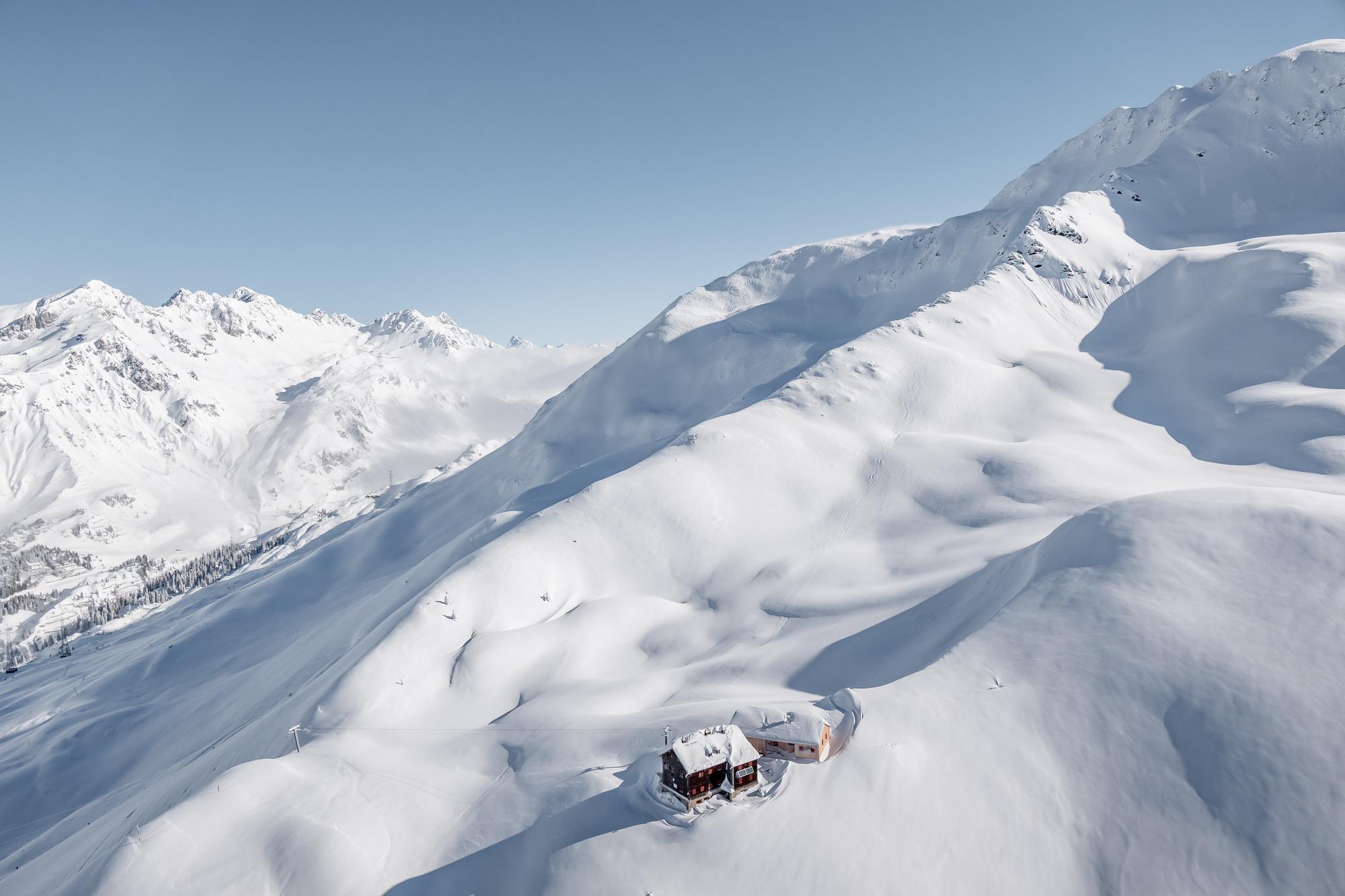
The piste count immediately around the village runs smaller than Lech’s, but the tradeoff cuts the same way it does elsewhere in this comparison, fewer crowds competing for the same fresh snow on a powder morning. Stuben’s own terrain also holds a piece of ski history Lech cannot claim in quite the same way, the birthplace of the Arlberg technique itself, a detail serious skiers researching stuben am arlberg vs lech often find genuinely compelling.
A lunch stop at a mountain restaurant on the slopes breaks up a day of off-piste runs with homemade regional food rather than a quick lift-base snack. That kind of stop is part of what makes a Stuben-based ski day feel unhurried even on a genuinely demanding descent.
Lech’s Groomed Cruising
Lech and Zurs are known for wide, beautifully groomed cruising terrain, well suited to intermediate skiers and anyone who values immaculate piste conditions over off-piste adventure. Beginners benefit particularly from the terrain profile close to the village, with strong ski school infrastructure to match, a genuinely easier place to learn than the steeper terrain found around other parts of the Arlberg.
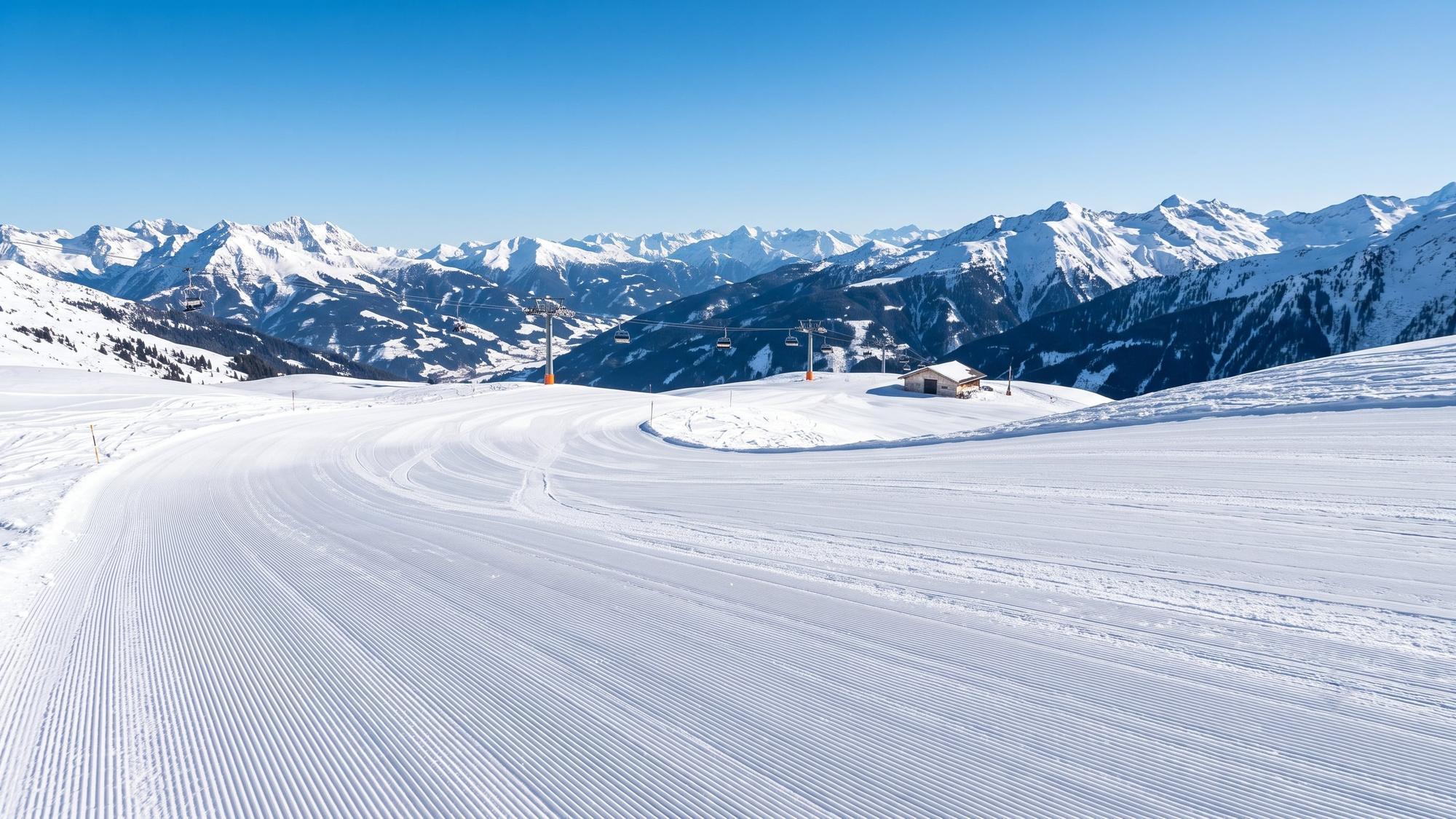
That grooming standard is part of what luxury travelers pay for here, terrain that matches the polish of the village itself, backed by modern, high-capacity lift infrastructure built to move a larger visitor base efficiently even during the busiest weeks of the season. Lift queues remain shorter here than the sheer visitor numbers might suggest, a direct result of continued investment in the area’s own lift network.
Value for Money
This is the most concrete difference in any honest stuben am arlberg vs lech comparison. Stuben delivers the same connected 305 kilometers of piste at a noticeably lower cost across accommodation, dining, and apres-ski alike. A traveler is not trading terrain quality for that lower price, only village-level polish and the sheer number of five-star options within walking distance.
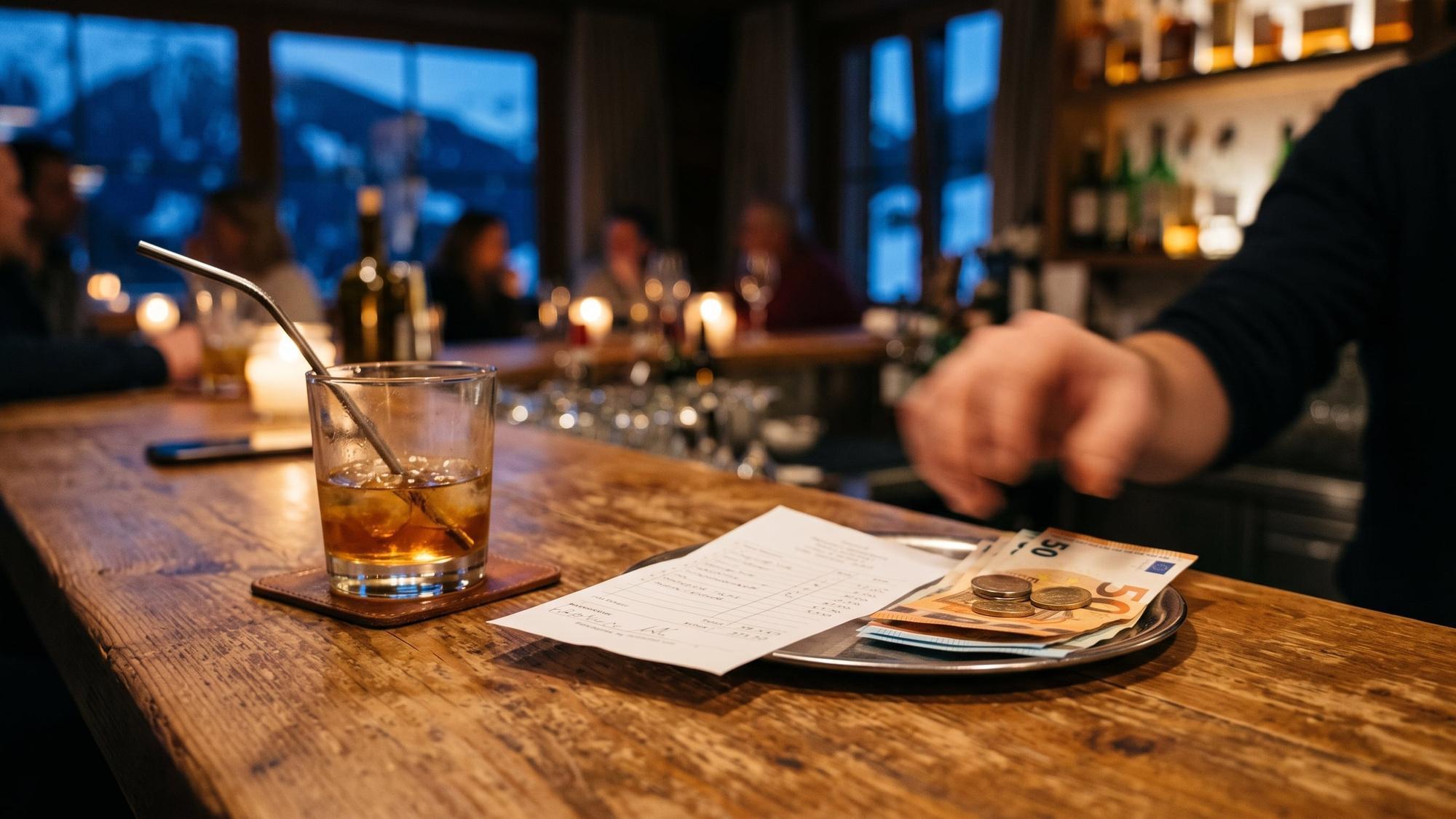
Lech’s five-star hotel base, Michelin-starred restaurants, and exclusive nightlife all carry a price premium that reflects decades of luxury positioning, genuinely one of the more expensive corners of the Alps. The gap shows up consistently across a few specific categories.
| Category | Stuben | Lech |
|---|---|---|
| Accommodation | Comparatively steadier pricing year-round | Highest rates of the season during peak weeks |
| Dining | A Chef’s Table format at meaningfully lower cost | Michelin-starred dinners at premium pricing |
| Apres-Ski | Mondschein Club and wine cellar, a fraction of the cost | K.Club and Ice Bar, a five-star price point |
For a traveler weighing stuben am arlberg vs lech purely on cost, the honest summary is that Stuben delivers roughly the same connected-terrain trip for meaningfully less across every category, while Lech delivers a specific kind of five-star polish that genuinely does cost what it costs. A traveler who values the terrain and history over the surrounding polish gets excellent value in Stuben; a traveler who considers the five-star experience part of what they are paying for is getting exactly what Lech promises, neither approach is wrong, they simply serve different priorities.
Who Each Village Suits Best
A traveler who wants genuine history, a real boutique character, and the same connected terrain without the price premium fits Stuben best, a couple, a repeat Arlberg visitor, or a small group prioritizing atmosphere over infrastructure. A traveler specifically seeking five-star service, Michelin dining, and a long-established luxury reputation is better served by Lech instead, particularly for a celebration trip where the polish itself is part of the point, or a family with mixed ability levels wanting wide groomed cruising and larger village infrastructure.
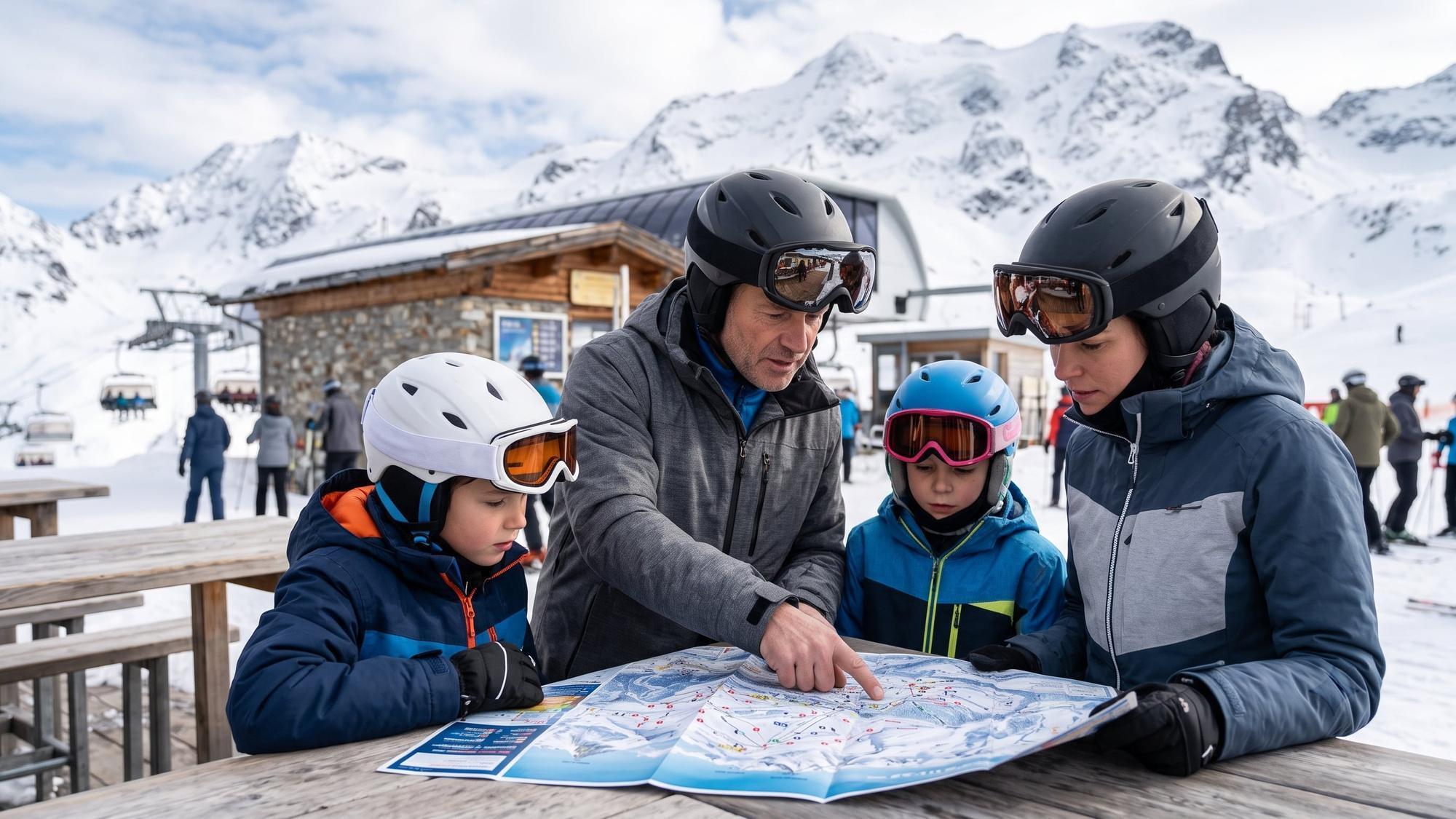
Anyone still weighing stuben am arlberg vs lech after considering all of this can use budget as the simplest tiebreaker. A trip built around value without sacrificing genuine terrain access leans clearly toward Stuben; a trip with real flexibility in spending leans toward Lech’s polish instead.
- Choose Stuben for: real 1739 history, a boutique-scale village, and a noticeably lower price point
- Choose Lech for: five-star hotels, Michelin-starred dining, a long-established luxury reputation
- Choose Stuben for: north-facing off-piste terrain and fewer crowds on the same connected network
- Choose Lech for: wide, immaculately groomed cruising terrain suited to mixed-ability groups
Where to Stay in Stuben: Ski Hotel Mondschein
Next to Lech’s spread of five-star addresses, Ski Hotel Mondschein is a single historic building doing the same job at a fraction of the scale, three minutes on foot from the Albona I cable car, on the same site it has occupied since 1739.
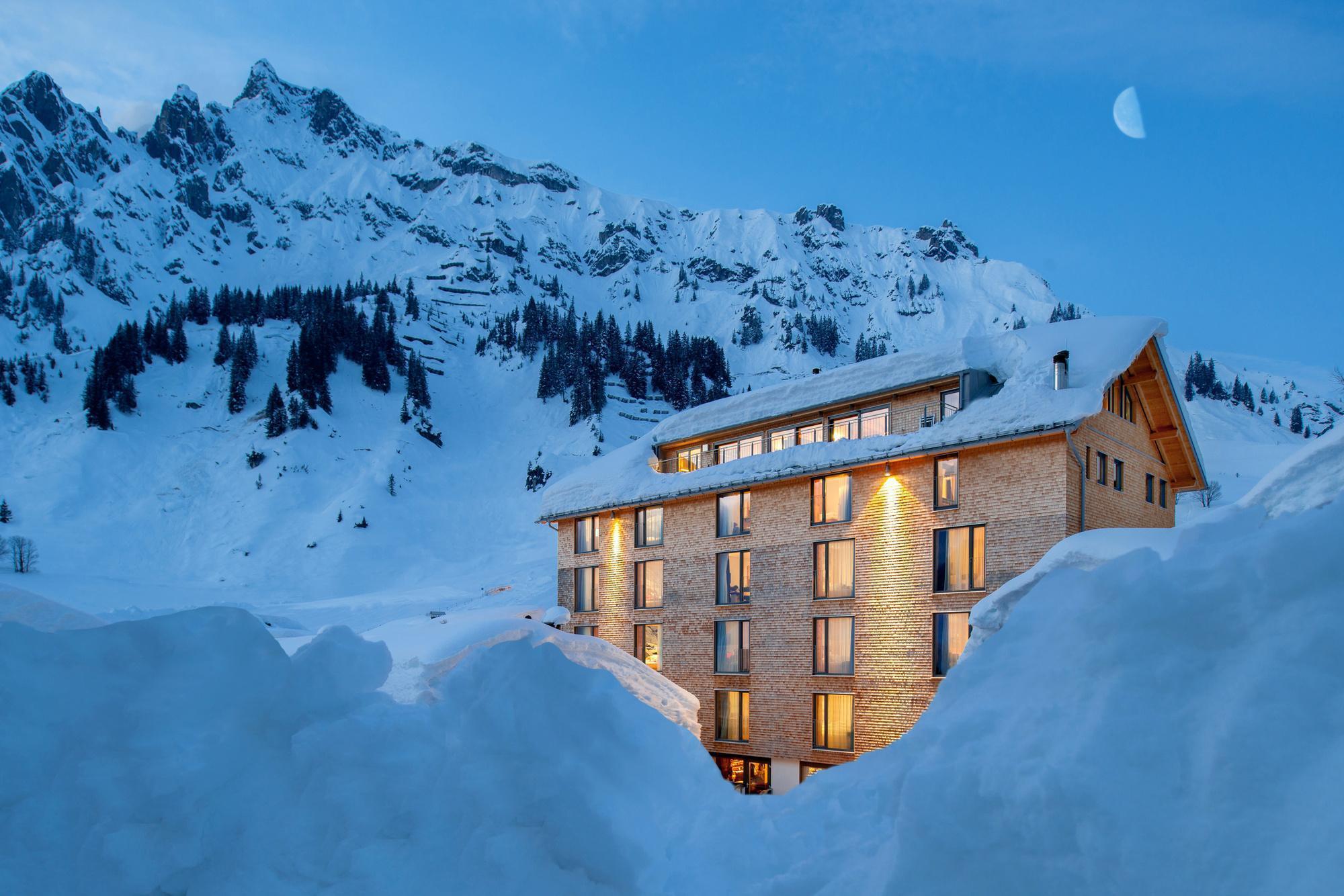
That single-building scale is part of the value equation too: one property covering rooms, three dining venues, a wellness area, and a resident-DJ club, rather than the many separate five-star addresses a comparable Lech stay would require to cover the same ground.
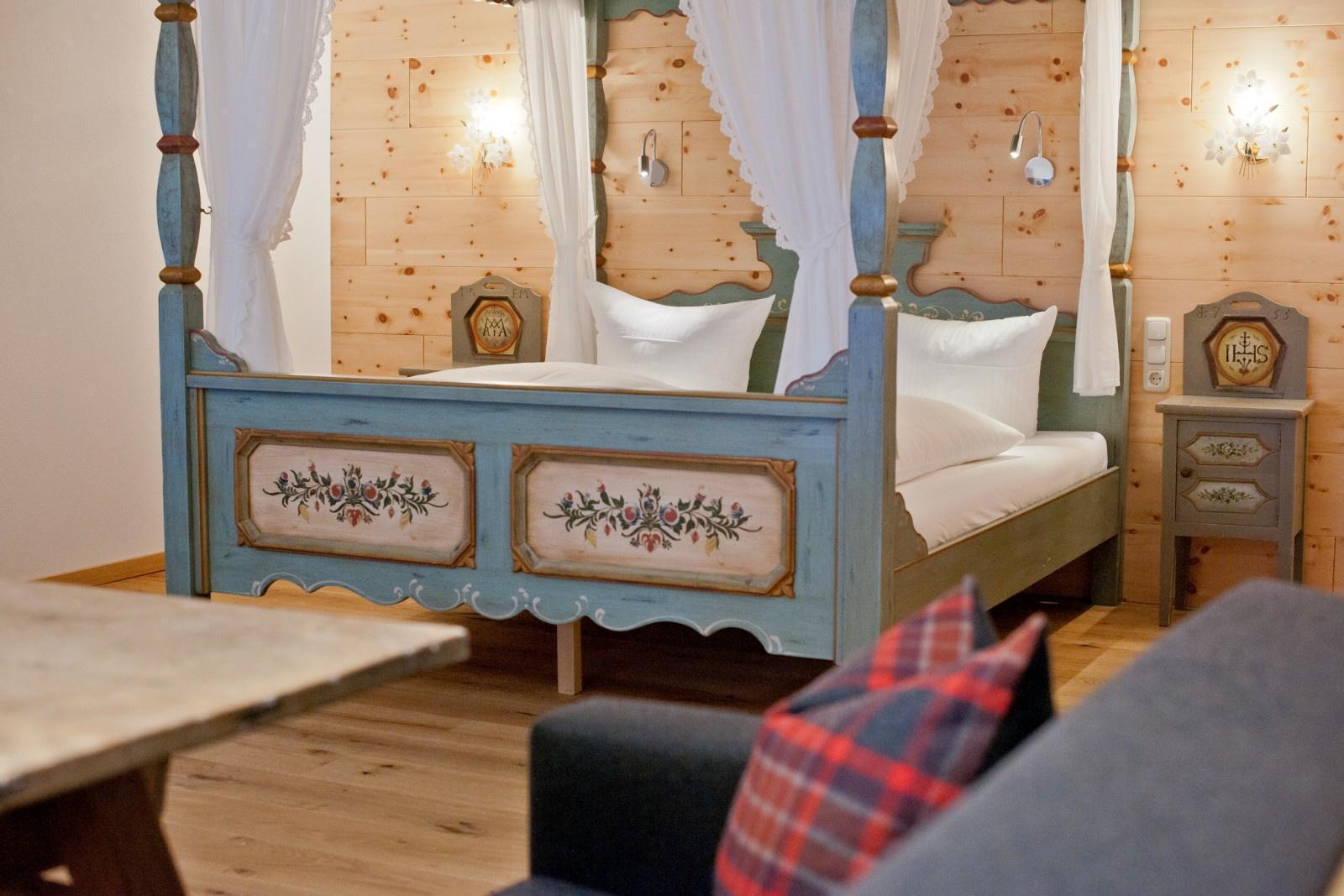
The hotel’s signature Mondschein Suite, with its own tiled fireplace and four-poster bed, covers the closest equivalent to Lech’s own suite-level polish, at a noticeably different price point for a comparable level of comfort.
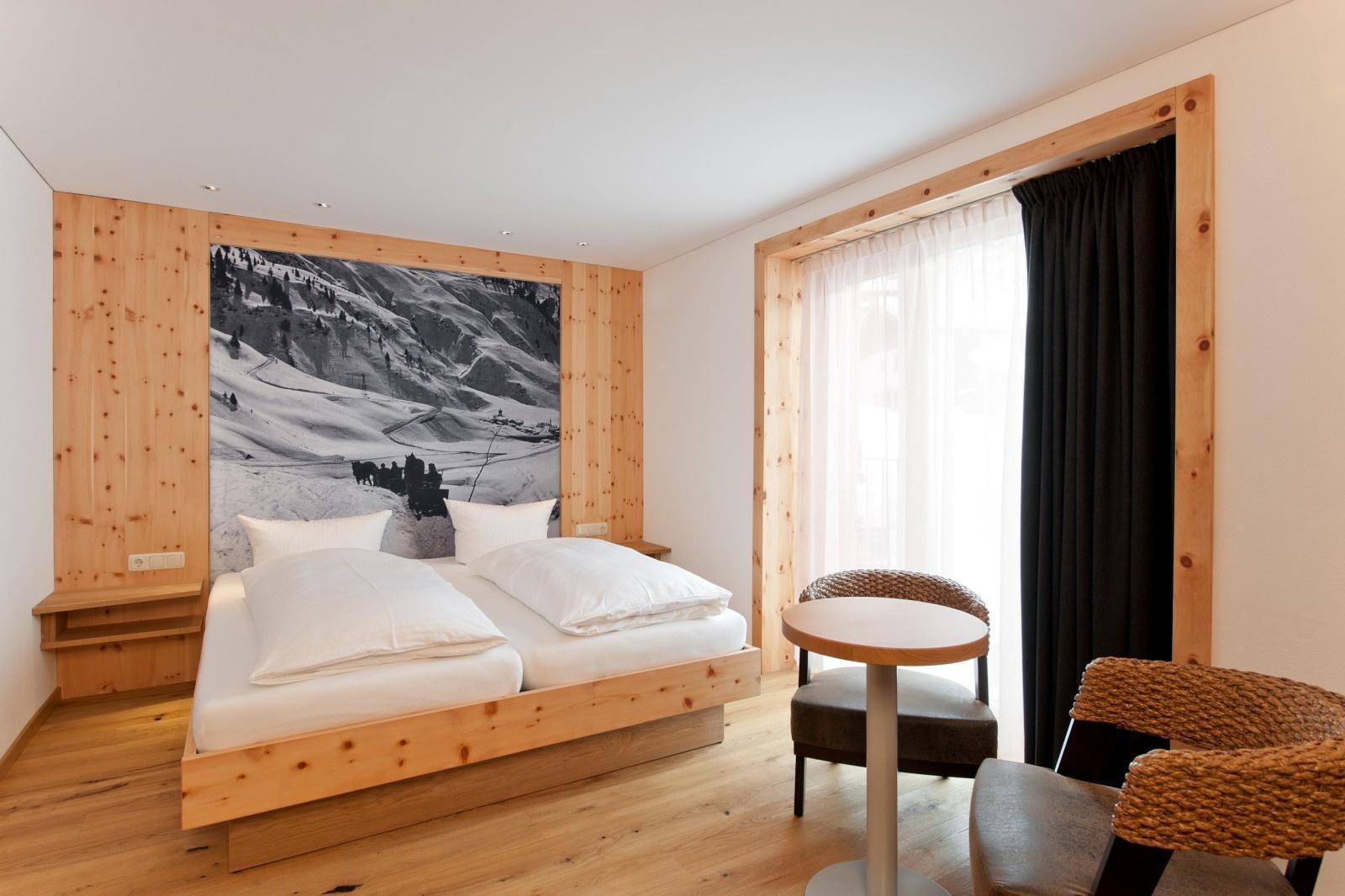
The Comfort Double offers a straightforward step up from the entry-level category, for a couple who want more space than a double without paying suite-level rates, still the same three-minute walk to the lift as every other room in the hotel.
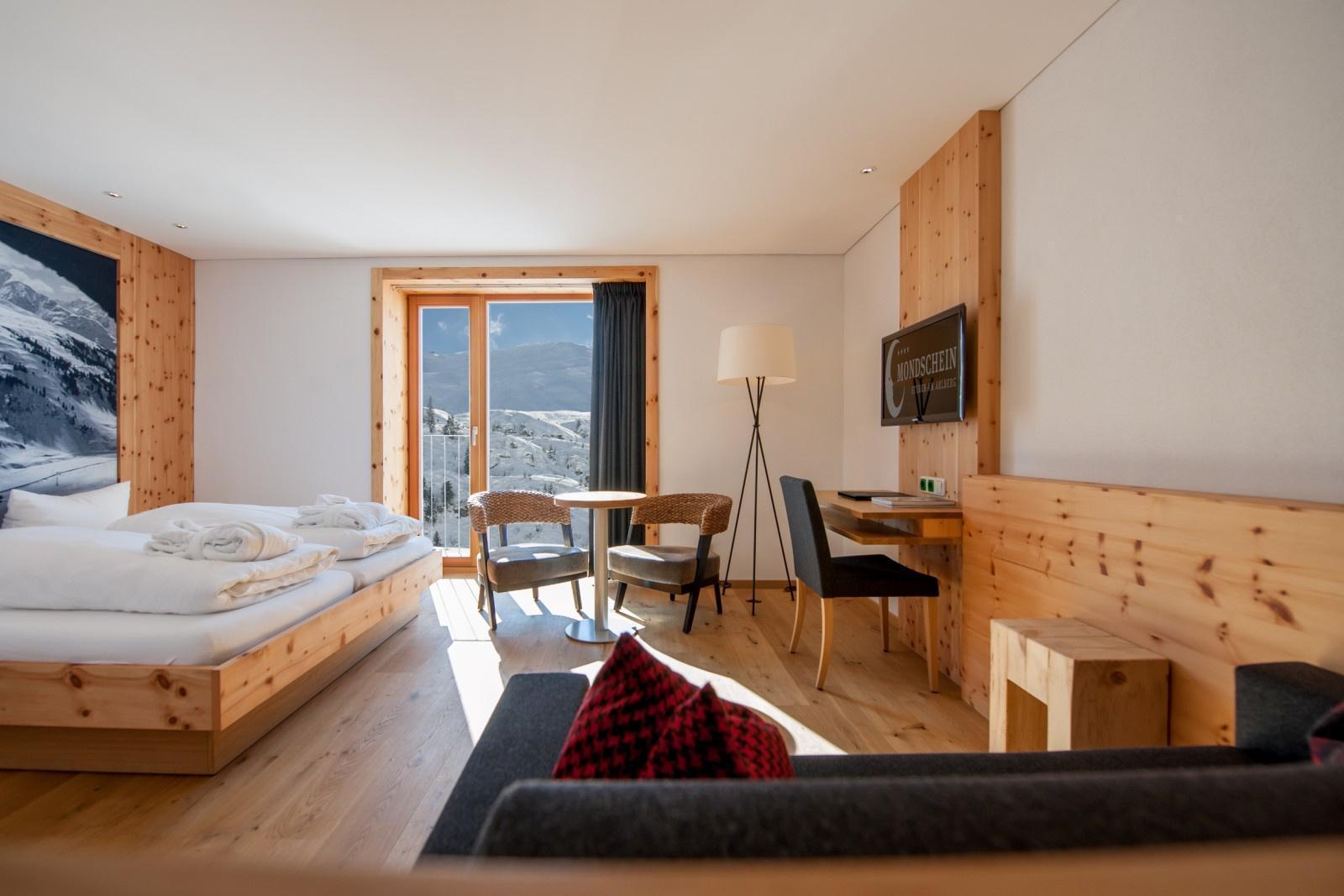
The Panorama Triple covers three sharing with mountain views built in, worth considering for a group weighing the same stuben am arlberg vs lech decision together, at a fraction of what an equivalent room in one of Lech’s five-star properties would cost for the same trip.
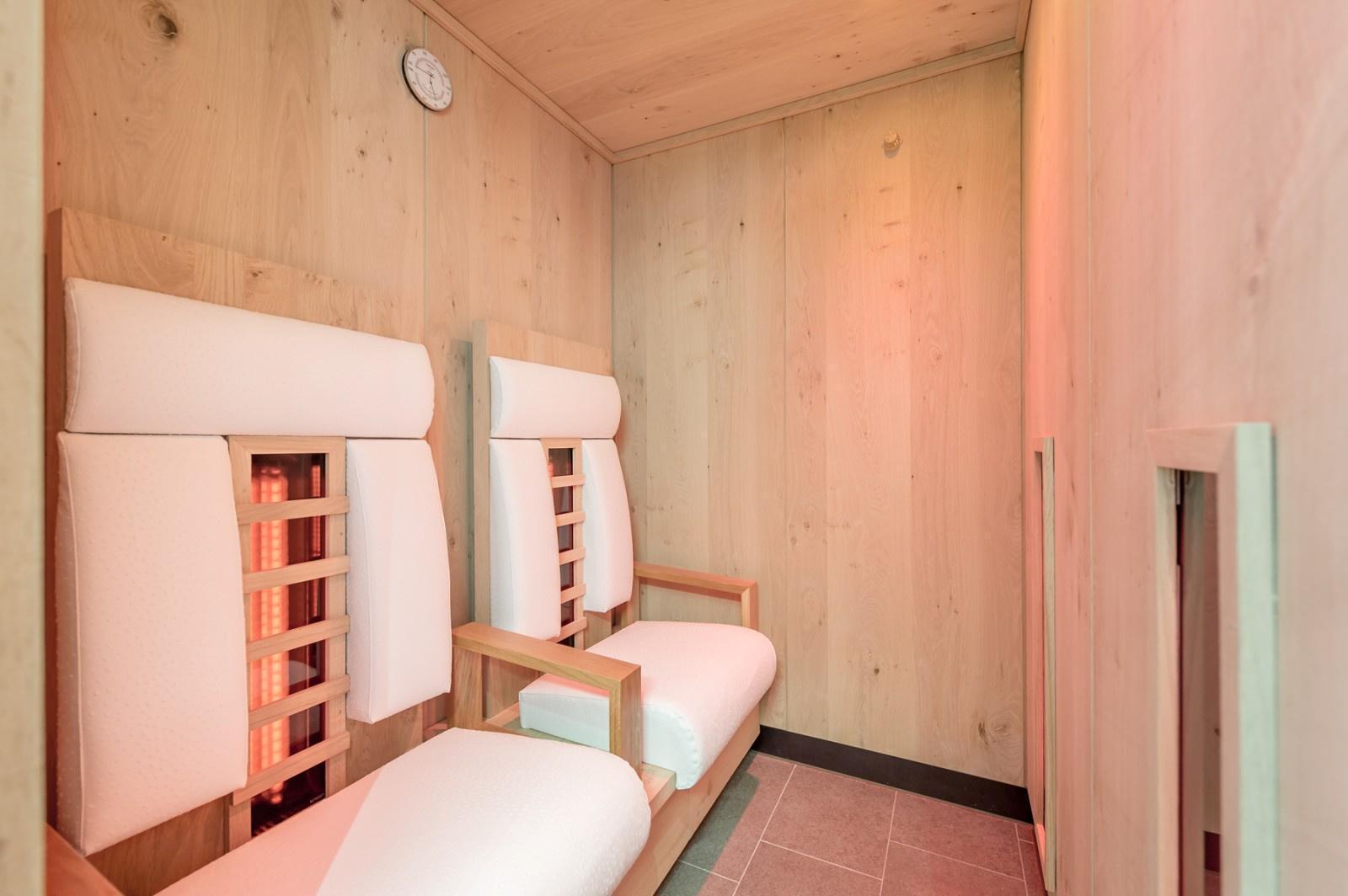
For guests weighing a Lech day trip against staying local, the hotel’s own wellness area gives Stuben a genuine answer to Lech’s five-star spa reputation too, three saunas including a Finnish pine sauna and a gentler bio sauna, plus a sauna balcony looking straight out at the Albona, on a smaller scale but with real depth behind it.
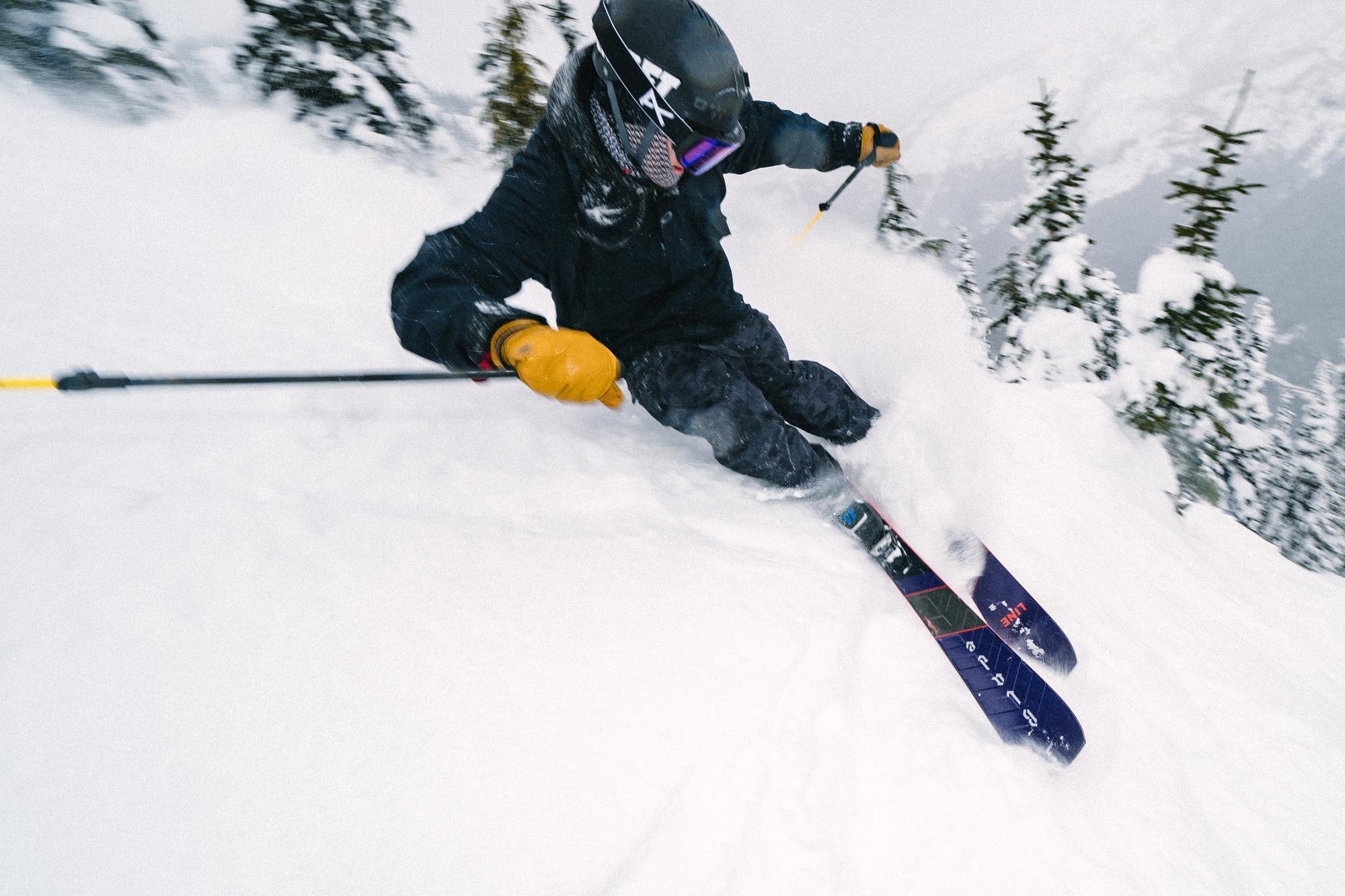
Stuben’s own position adds a genuine edge for freeride skiers too, sitting between the backcountry zones of Zurs, St Anton, and Sonnenkopf, with many routes starting directly from the village rather than needing a long transfer first. It is a real advantage a Lech stay does not offer in quite the same way.
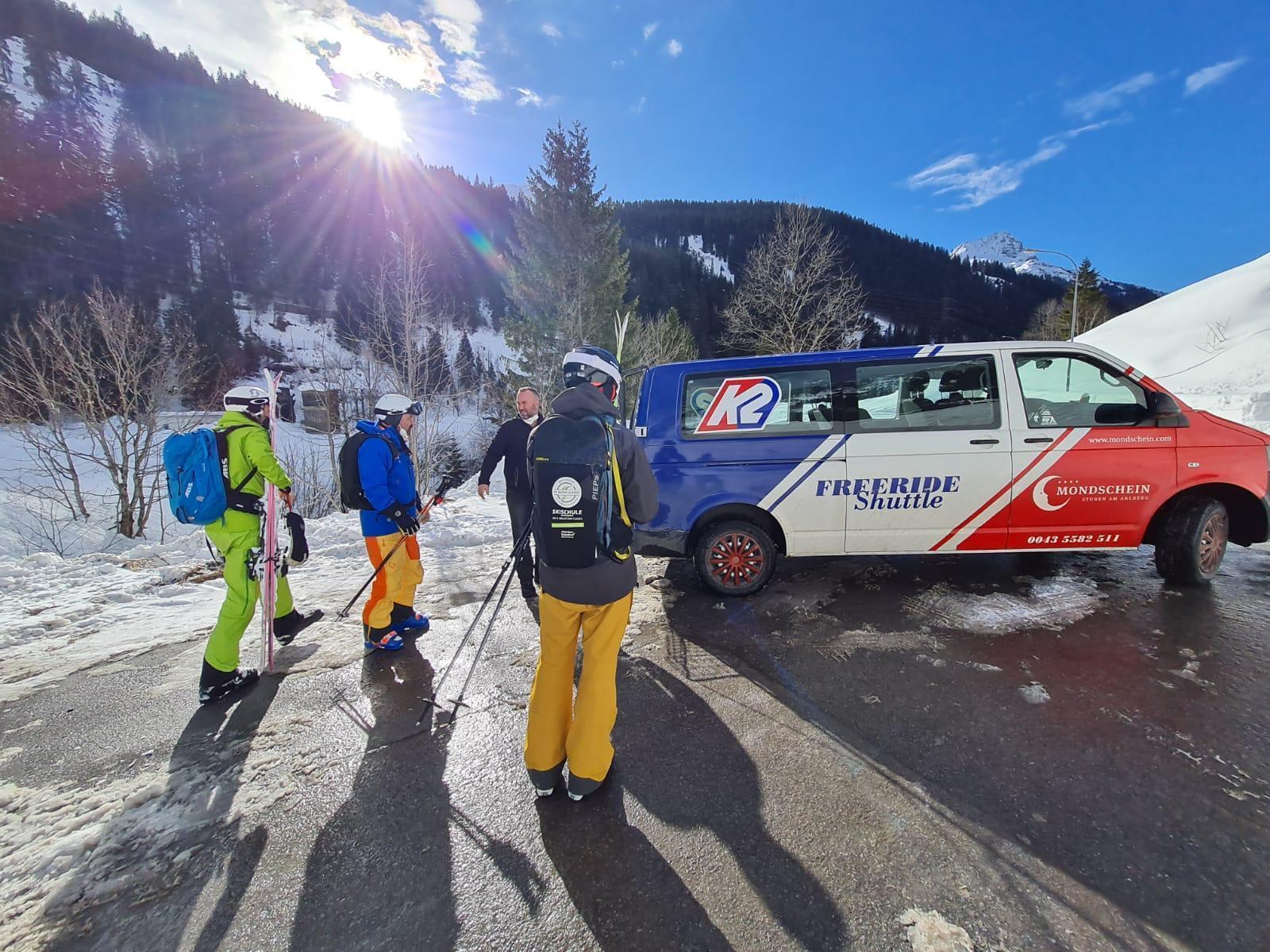
Ski logistics are handled directly through the hotel too, rental across the street, skipasses at reception, and a guide arranged for off-piste terrain on request, the same practical infrastructure a Lech stay would offer, just without the five-star markup attached to each individual service.
Detailed Information:
- Address: Hannes-Schneider-Promenade 9, 6762 Stuben am Arlberg, Austria
- Phone Number: +43 5582 511
- Reference Price: Rates vary by season; contact the property directly for current pricing
- Google Review: 4.4/5 on Google
Read more: How to Plan a Perfect Ski Holiday at Stuben am Arlberg with Mondschein
Booking Windows & Crowds
Stuben’s smaller, less globally marketed profile means booking windows stay more forgiving, though the same peak weeks still tighten availability at its handful of properties. A stuben am arlberg vs lech comparison focused purely on how far ahead a trip needs planning generally favors Stuben for flexibility, Lech for guaranteed access to a specific well-known address.
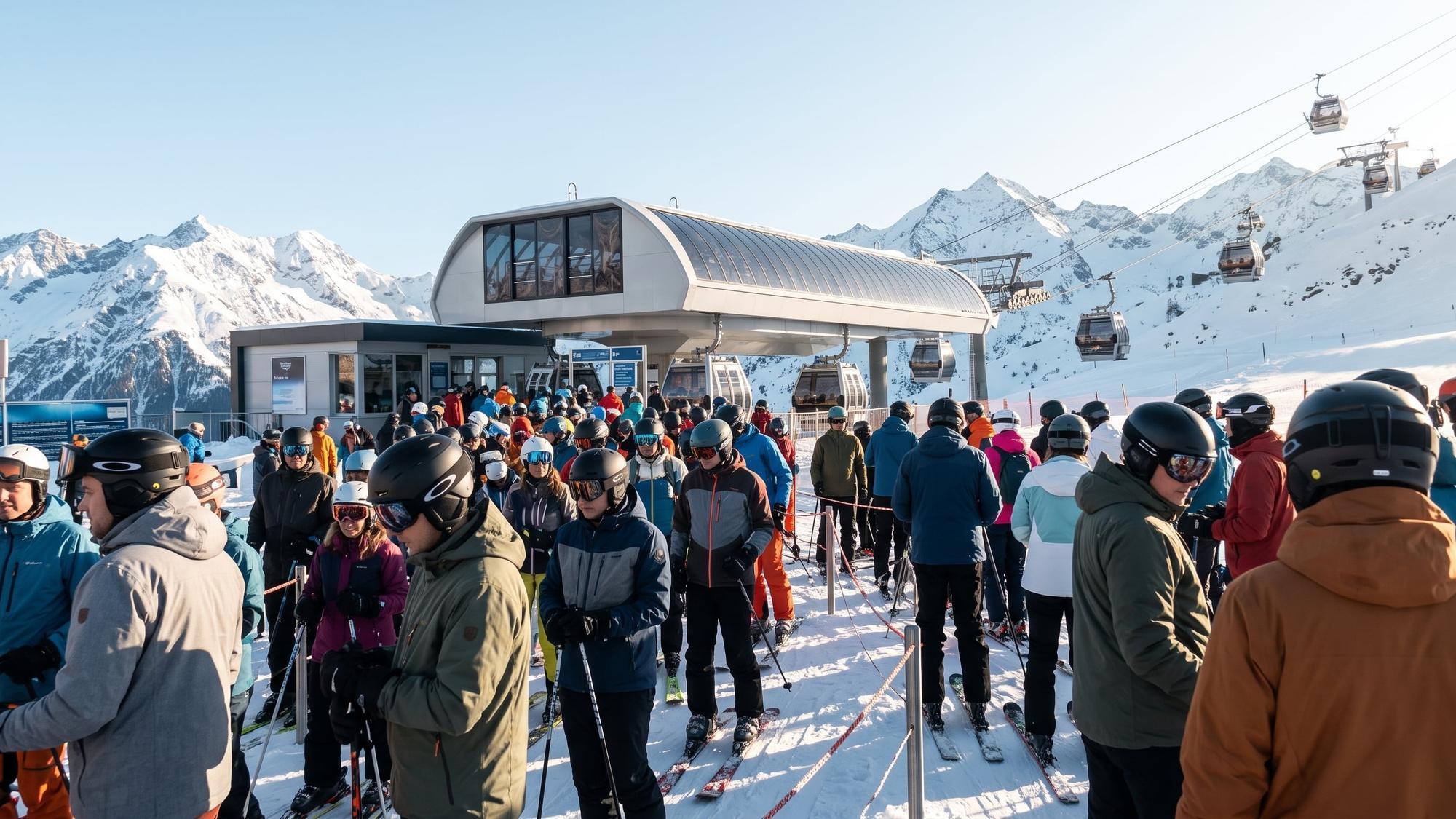
Lech’s international reputation means its best-known hotels and restaurants book out well ahead of peak weeks, sometimes a full season in advance for the most sought-after properties around Christmas or February half-term. Waiting until the last minute for a Lech trip risks either paying a steep premium for whatever remains or missing the village’s best-known venues entirely.
Crowds on the mountain itself follow a similar pattern. Stuben’s smaller visitor base keeps the Albona noticeably quieter even at the height of the season, while Lech’s own slopes see real volume during peak weeks despite the area’s efficient lift infrastructure.
As a rough rule of thumb, 3 to 4 months ahead is typically enough for a comfortable Stuben booking outside the absolute peak Christmas and February weeks, while booking a Lech stay 9 to 12 months out secures the widest pick of the most sought-after five-star addresses.
Getting to Each Village
Stuben sits directly on the Arlberg Pass road itself, reachable from the same two airports but with fewer dedicated transfer services built specifically around it.
A traveler comparing stuben am arlberg vs lech for a car-free trip should confirm transfer arrangements directly with a Stuben property rather than simply assuming Lech’s own considerable level of transfer infrastructure genuinely applies equally well there too. Ski Hotel Mondschein arranges private transfers on request for guests flying into either airport, worth booking at the same time as the room itself during the busiest arrival weeks.
Lech benefits from its own established transfer infrastructure, well-trodden routes from both Innsbruck and Zurich airports, and a village used to handling a high volume of arriving luxury travelers each season. Private transfers are the norm here rather than the exception, consistent with the village’s overall polish and reputation.
Winter driving conditions affect both villages similarly, since both sit along the same mountain pass system, though Lech’s larger scale means slightly more traffic to navigate through the village center itself during the busiest peak arrival days.
A Week Split Between Both Villages
The two villages sit close enough on the same lift network that a single trip does not have to choose exclusively, though basing in one and day-tripping into the other remains more practical than switching hotels mid-week. Both directions genuinely work, depending on which village ends up as the actual base.
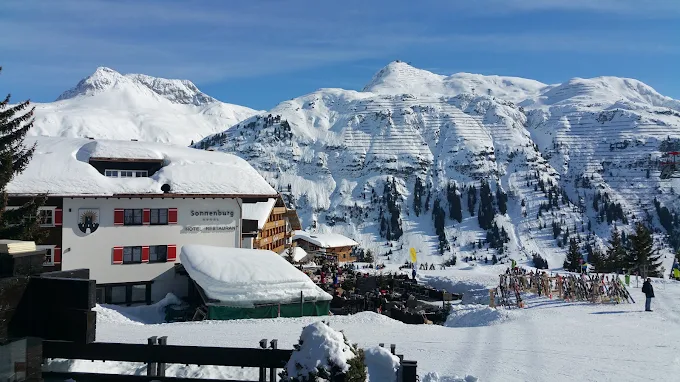
Either direction works, depending on which village ends up as the actual base:
- Stuben base, Lech day trip: covers most of what a curious traveler wants from Lech without paying its full accommodation premium for a whole week, a single dinner or afternoon at K.Club delivers the experience directly
- Lech base, Stuben day trip: works for a traveler who wants five-star comfort as the default but is curious about Stuben’s historic character for a single afternoon or evening
Groups with genuinely different budgets within the same travel party benefit most from this approach, a shared lift pass means everyone skis the same terrain together regardless of where each person actually sleeps, so a mixed group can split accommodation without anyone missing out on the shared days on snow. That flexibility is worth planning deliberately, deciding upfront which nights belong to which village keeps the split genuinely relaxing rather than adding a second layer of logistics, and transport between the two adds a real cost worth weighing, so it suits a longer stay better than a short one.
A Stuben base still makes the more practical anchor for this kind of split trip, central enough on the pass that a Lech day never eats too far into the rest of the week, while a Lech base treats the Stuben detour as more of a genuine day excursion than a routine option.
Read more: Stuben vs Lech vs St. Anton: Which Is Right for You?
Conclusion
Stuben am Arlberg and Lech share the exact same connected terrain, so the real choice between them is about budget and polish, not ski quality. Stuben delivers real history and genuine character for noticeably less across the board, without asking a traveler to give up any actual terrain access; Lech delivers five-star luxury at a five-star price instead.
For travelers who want that history without Lech’s price premium, Ski Hotel Mondschein is worth booking directly, a genuine 1739 village center and a three-minute walk to the same connected slopes, at a fraction of what a comparable Lech stay would actually cost across the full length of the trip.
Frequently Asked Questions
Is Stuben or Lech better for a ski holiday?
Both access the same Ski Arlberg network, so neither has better skiing overall. Stuben suits travelers who want real history, a boutique scale, and genuinely better value for the same connected terrain, day after day, while Lech suits those who want five-star polish and immaculate groomed cruising instead.
Can you ski between Stuben and Lech?
Yes. The Flexenbahn gondola connects the Stuben and St Anton side of the network to the Lech and Zurs side, so a skier can travel between the two on the connected lift system rather than needing a car for the journey, a realistic half-day or full-day trip on skis when the gondola is running as scheduled.
Is Lech more expensive than Stuben?
Yes, generally and by a meaningful margin across nearly every category. Lech’s five-star hotel base and Michelin-starred dining carry a genuine luxury premium, while Stuben’s smaller, less globally marketed village holds noticeably lower prices across accommodation, dining, and apres-ski alike for a comparable standard of quality and genuine hospitality.
Which village has more character?
This comes down to taste more than fact. Stuben’s character is older and more intimate, built around a 1739 hotel and a single historic main street; Lech’s is polished and long-established luxury, a wide spread of five-star properties throughout the entire village instead.
Do Stuben and Lech use the same lift pass?
Yes. Both sit inside the Ski Arlberg network alongside St Anton, St Christoph, Zurs, and Warth-Schrocken, so a single pass covers lift access at both without needing to buy separately for either village, regardless of how many days are actually spent in each specific one.