While most searches for a Stuben am Arlberg travel guide assume a winter focus, this village offers much more than just world class skiing. Stuben operates across two distinct identities, featuring a snow covered winter built around the Albona lift and a quiet green summer dedicated to alpine hiking and biking.
To help you plan efficiently, this guide covers logistics and accommodations before detailing specific itineraries for both seasons. Whether you are booking a peak winter ski trip or a peaceful summer retreat, exploring both sides of Stuben ensures you experience everything this unique Arlberg destination has to offer.
A Village Worth Understanding Before You Book
Stuben formally belongs to the municipality of Klosterle am Arlberg, sitting at the literal high point of the historic Arlberg Pass, with the modern S16 Arlberg Expressway now reaching the village through the Arlberg Road Tunnel rather than the old route over the top. That position at the top of the pass historically made it a waypoint for travelers crossing the mountains long before skiing existed here, a role reflected directly in Hotel Mondschein’s own founding as a stopping point in 1739.
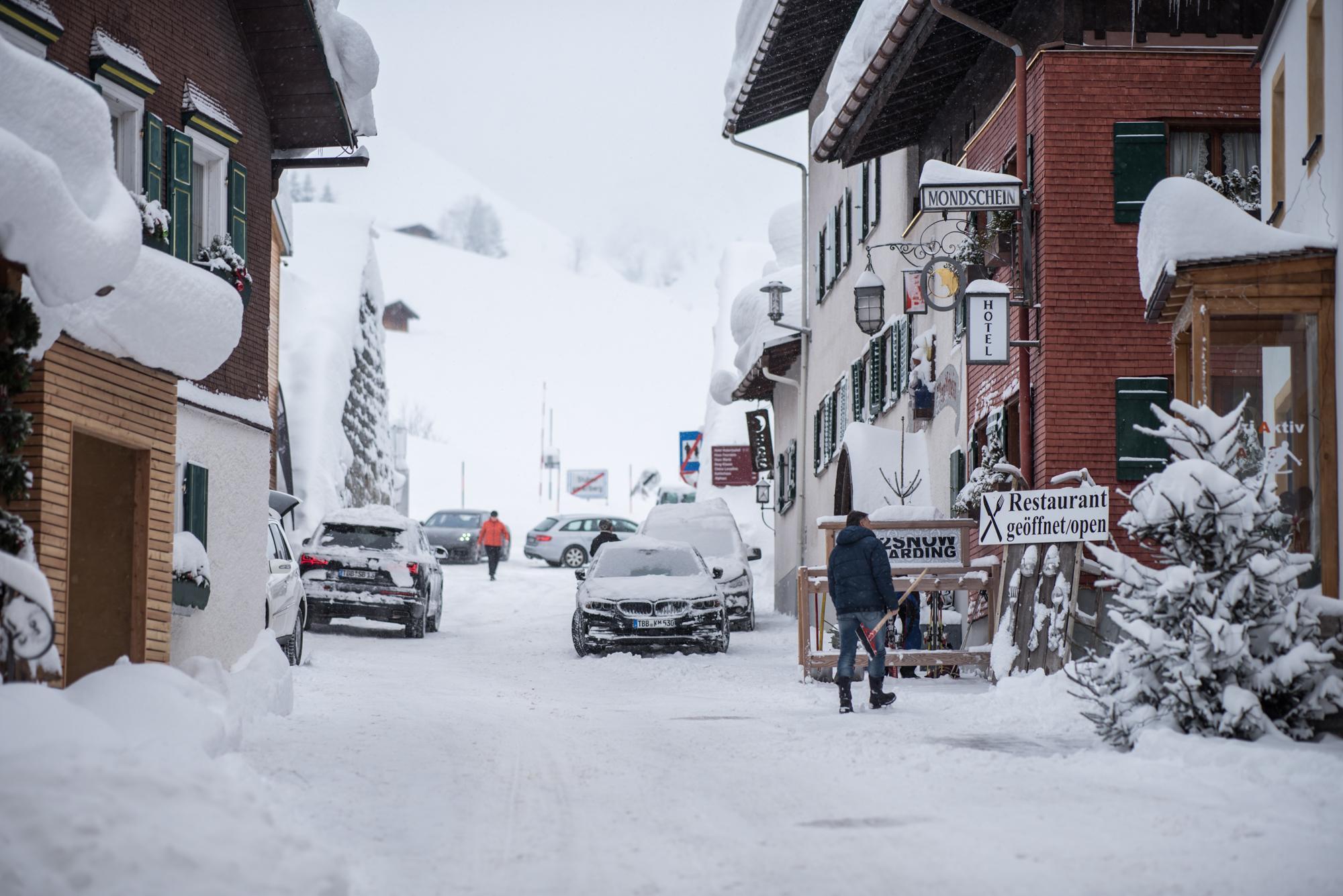
The village’s small scale, walkable end to end in ten minutes, shapes every part of a visit here, in both directions. There is no risk of getting lost or spending half a day in transit between activities, but there is also less redundancy than a bigger resort town offers if a specific restaurant or shop happens to be closed on a given day.
That specific trade-off is worth accepting knowingly rather than discovering it mid-trip, and it applies equally in both seasons: a village this size simply cannot offer the backup options a larger town provides if a first-choice plan falls through on a given day, whether that means a closed restaurant or an unexpectedly full lift line.
Why Visit Stuben am Arlberg?
Stuben sits at 1,400 metres at the literal high point of the Arlberg Pass, small enough to cross on foot in minutes, with none of the crowds of St Anton or the price tag of Lech and Zurs despite connecting into the same terrain and trail network as both. That scale is the whole appeal: a genuine village rather than a purpose-built resort, in both winter and summer.
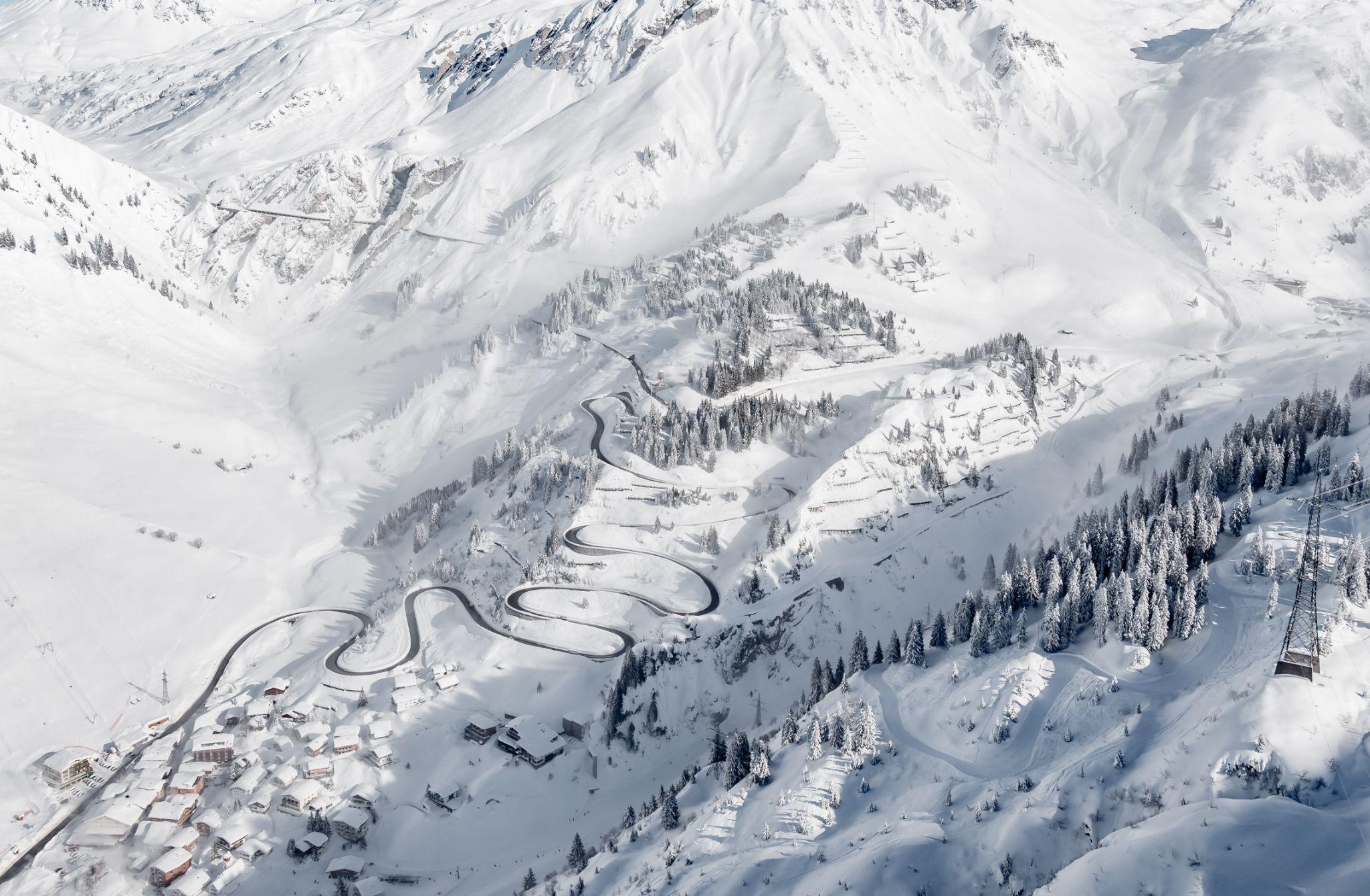
For any traveler comparing this Stuben am Arlberg travel guide against similar guides written for St Anton or Lech, the honest distinction is scale rather than quality: Stuben offers the same connected terrain with a fraction of the infrastructure, which suits some travelers perfectly and others not at all depending on whether more restaurants and nightlife options matter more than quiet and genuine walkability at the end of a long day.
Read more: Stuben am Arlberg vs Lech vs St. Anton: An Honest 2026/27 Comparison
Getting to Stuben & Getting Around
Reaching the village and then moving around it turn out to be two very different questions. Both are covered below, starting with the trip in.
Nearest Airports & Transfers
Innsbruck Airport remains the closest at around 1 hour 30 minutes by road, ahead of Friedrichshafen at roughly 1 hour 45 minutes, Zurich at about 2 hours, and Munich at around 2 hours 45 minutes. Trains run to Langen am Arlberg,
Europe’s highest year-round Intercity stop, five minutes from the village, and several properties, Mondschein Hotel & Chalet included, can arrange a private transfer from any of the four airports on request, worth confirming directly at the time of booking rather than assuming it happens automatically.
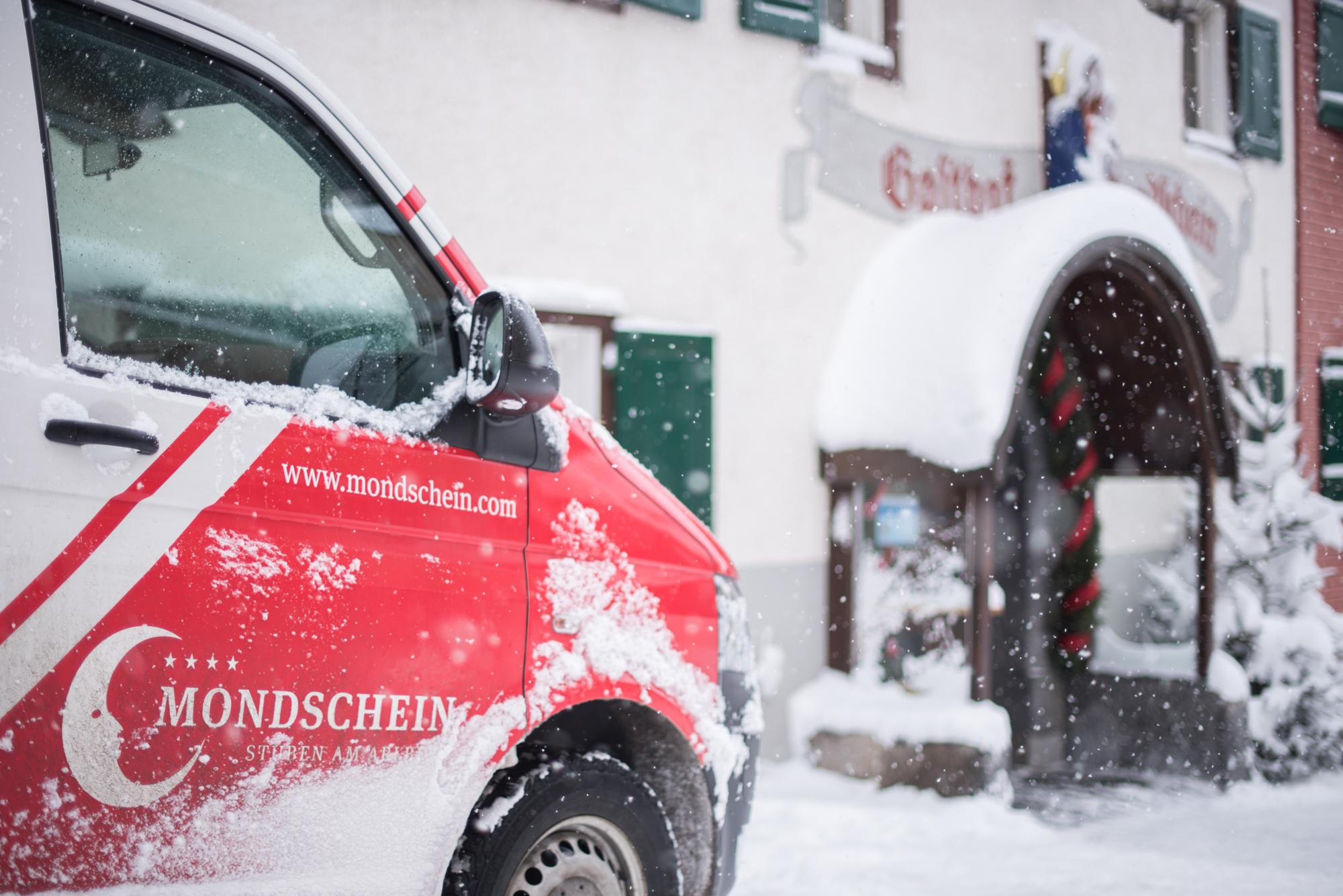
The same transfer options apply regardless of season, though winter driving requires winter tires or snow chains on the final stretch of the S16 Arlberg Expressway, while a summer arrival by car needs no special preparation beyond the usual road trip planning. Flight schedules into the smaller regional airports also thin out somewhat outside the core winter season, worth checking before assuming identical availability year-round.
The Albona Lift & Ski Arlberg Network
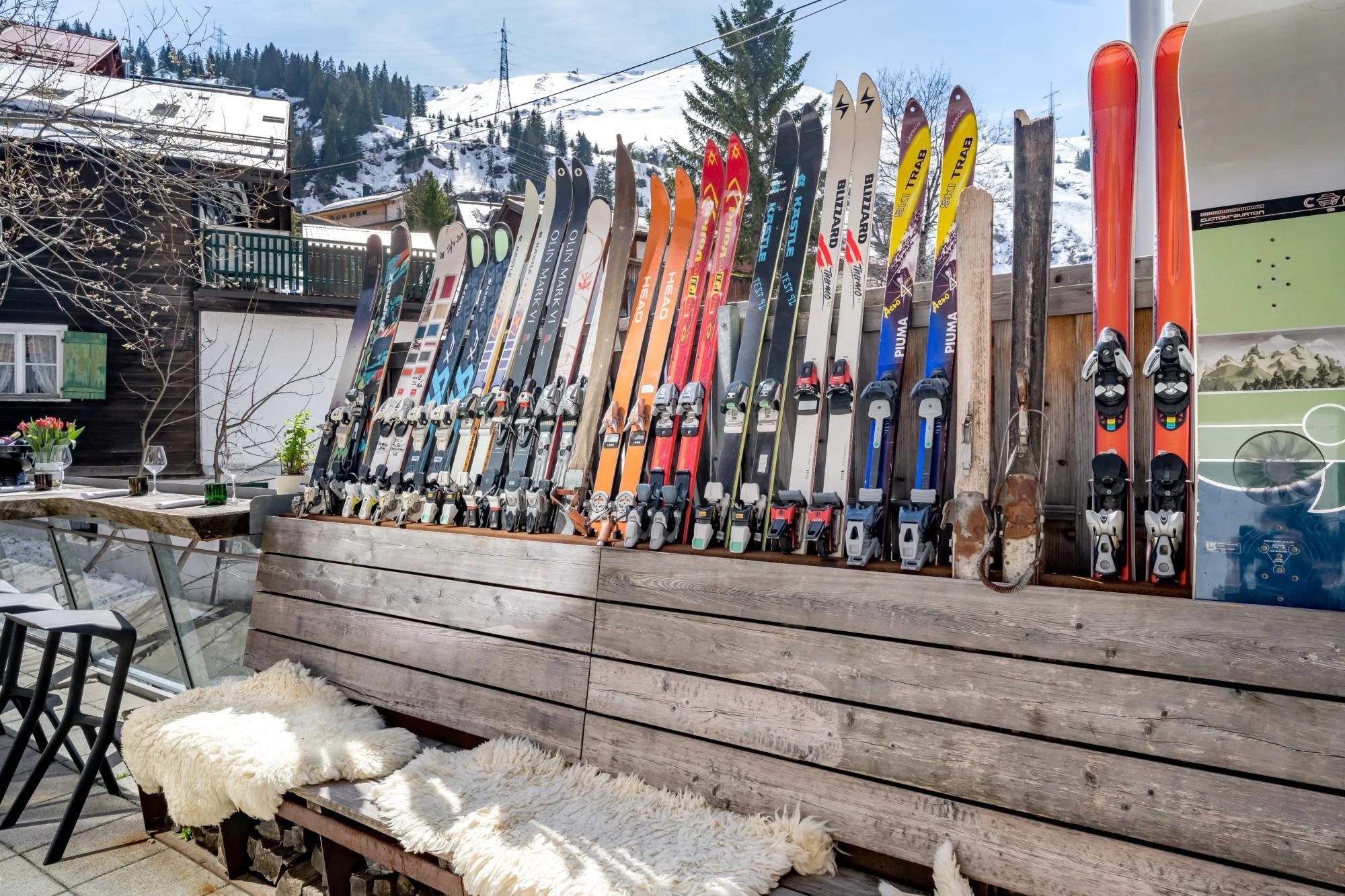
In winter, the Albona lift is the village’s gateway into the wider 305-kilometre Arlberg ski network, reaching St Anton, Lech, and Zurs from the same pass. In summer months, the exact same terrain reopens for hikers and bikers alike, with several lifts running for uphill access to the trail network above the village.
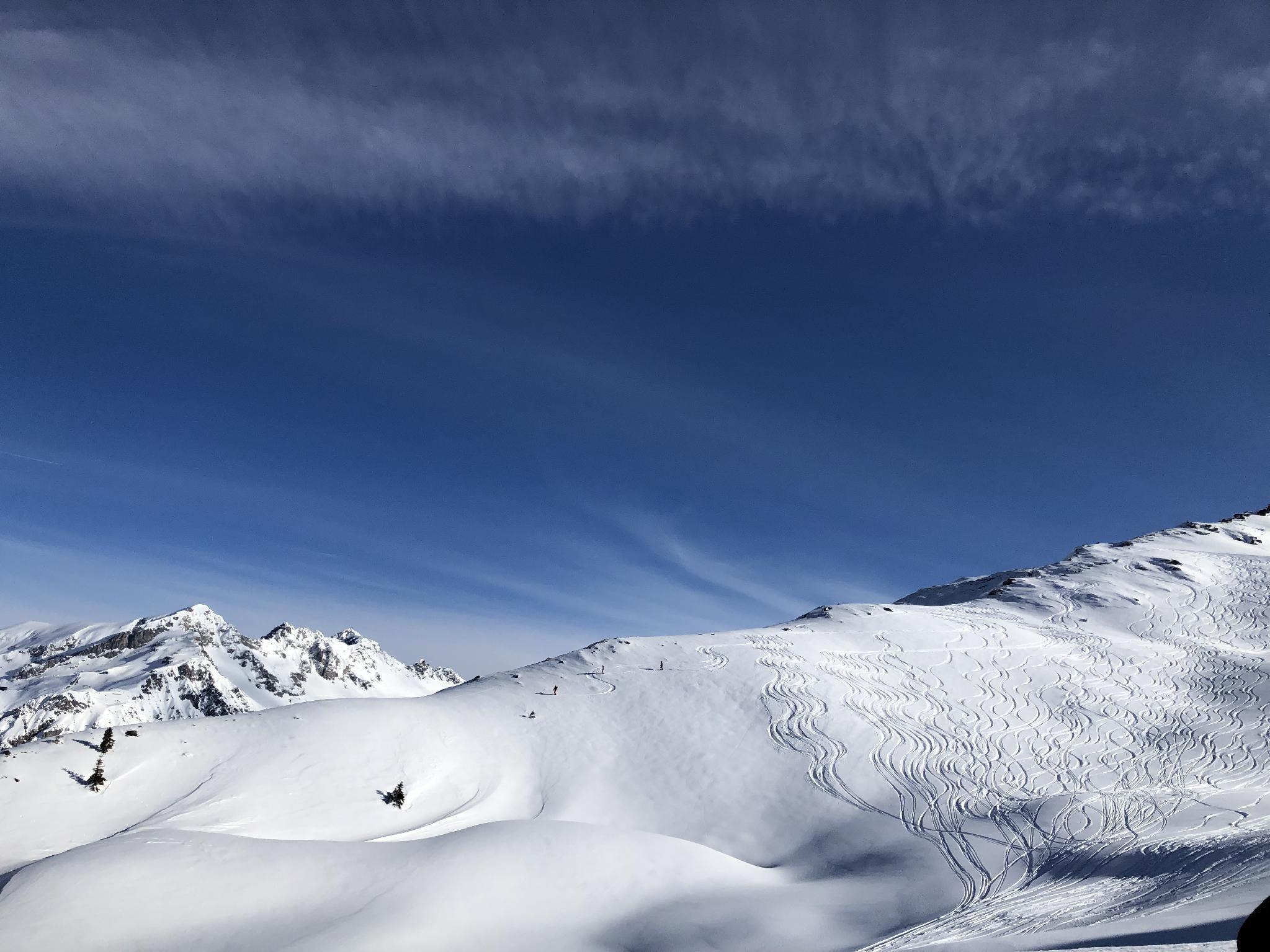
Confirming which lifts actually run in summer versus winter matters before planning a specific hike or ride, since not every winter lift operates on the same schedule once the snow clears, and summer lift hours generally run shorter than the full winter operating day. Checking the current summer schedule directly before planning a lift-assisted hike avoids arriving to a closed station.
Where to Stay in Stuben
One address anchors most of what this guide covers on both sides of the calendar. The details below explain why.
Mondschein Hotel & Chalet
Mondschein Hotel & Chalet covers both ends of a Stuben stay across both seasons: the historic Hotel Mondschein, dating to 1739, in the pedestrianized village center, and Chalet Mondschein, a five-minute walk uphill with private in-suite wellness and, in winter, direct slope access.
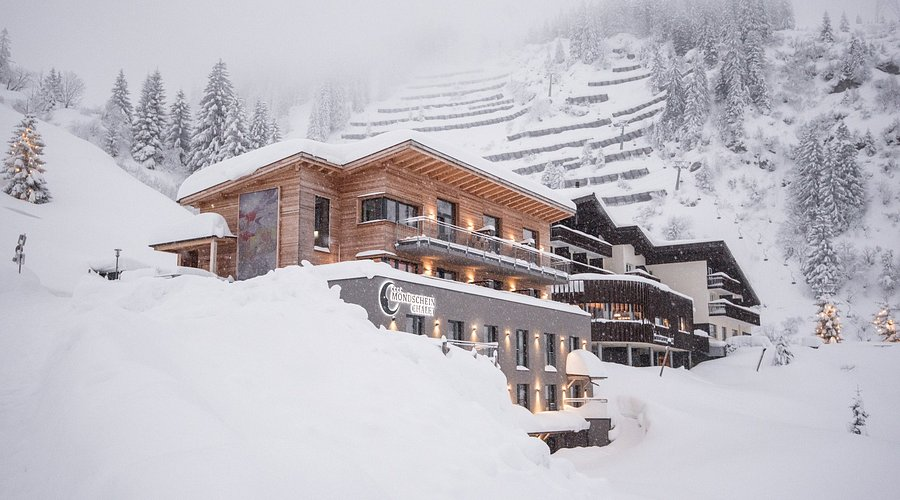
Both operate across the full year rather than closing for summer, though dining hours and specific programming shift by season.
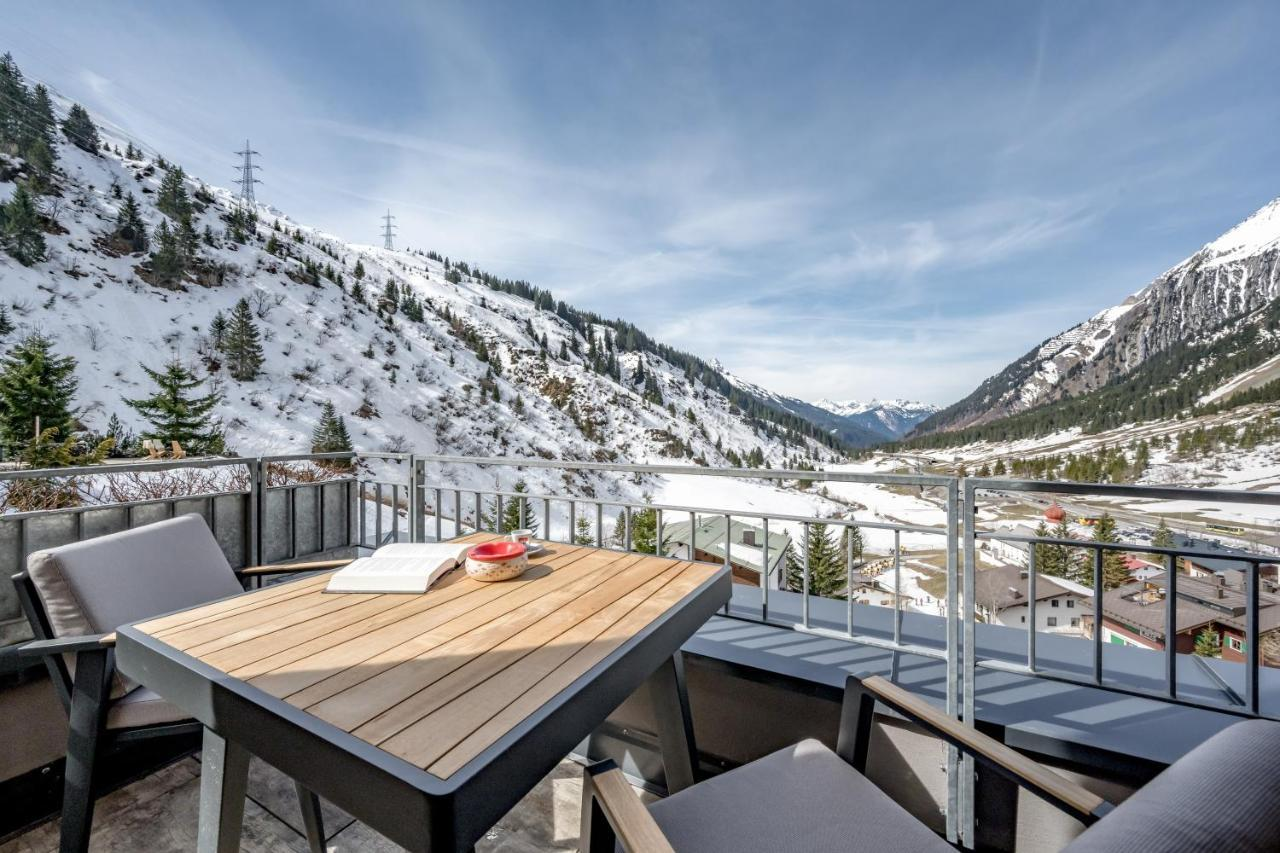
Any genuinely thorough Stuben am Arlberg travel guide should flag that room availability patterns differ meaningfully by season too. Winter’s small footprint of suites, particularly Chalet Mondschein’s private wellness rooms and the eight-seat Chef’s Table, books out three to six months ahead for peak weeks, while summer generally holds availability much later into the booking window given the quieter overall demand.
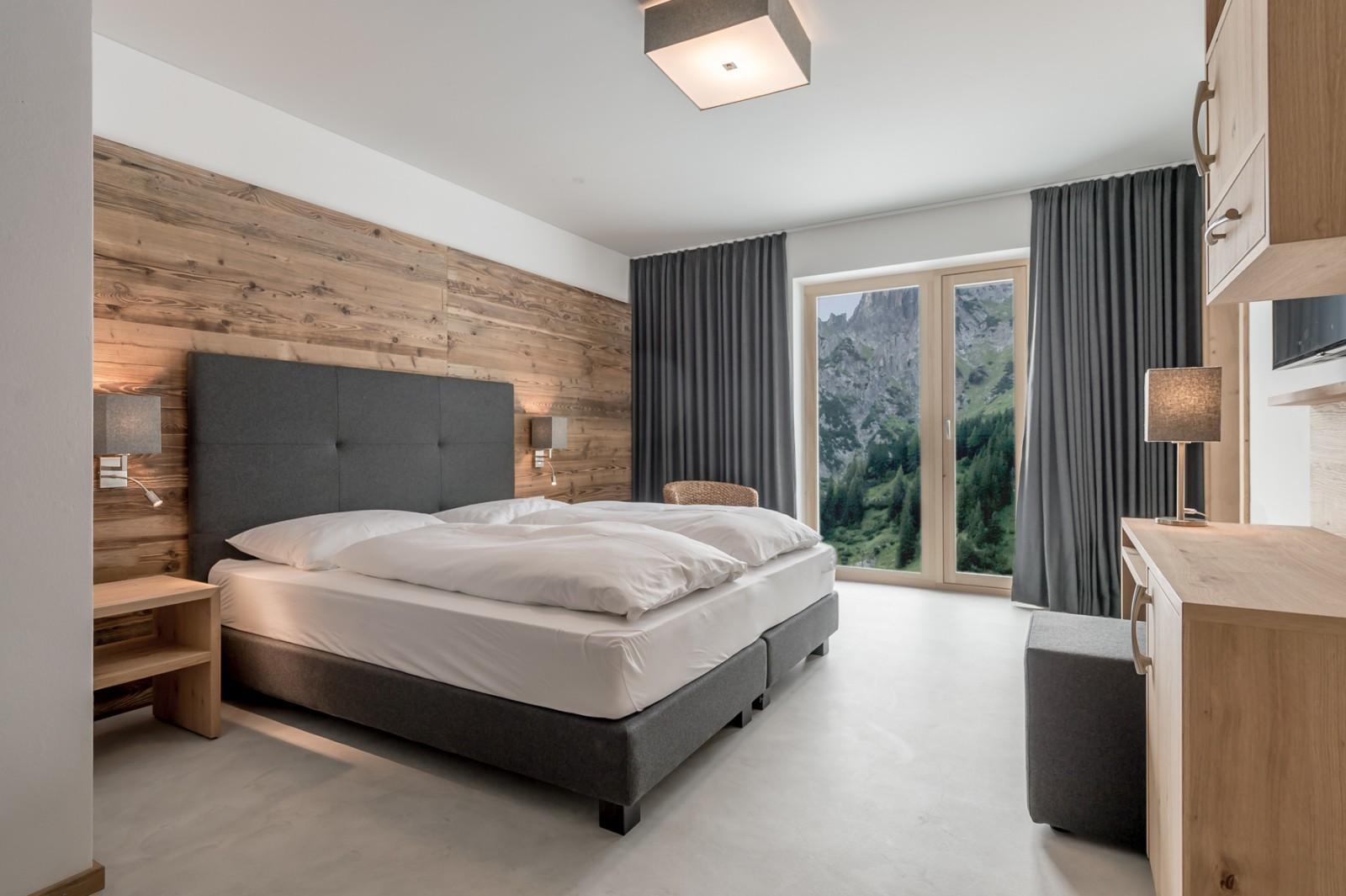
The Private Double is Chalet Mondschein’s entry point for a couple who wants the quieter uphill address without the in-suite sauna categories.
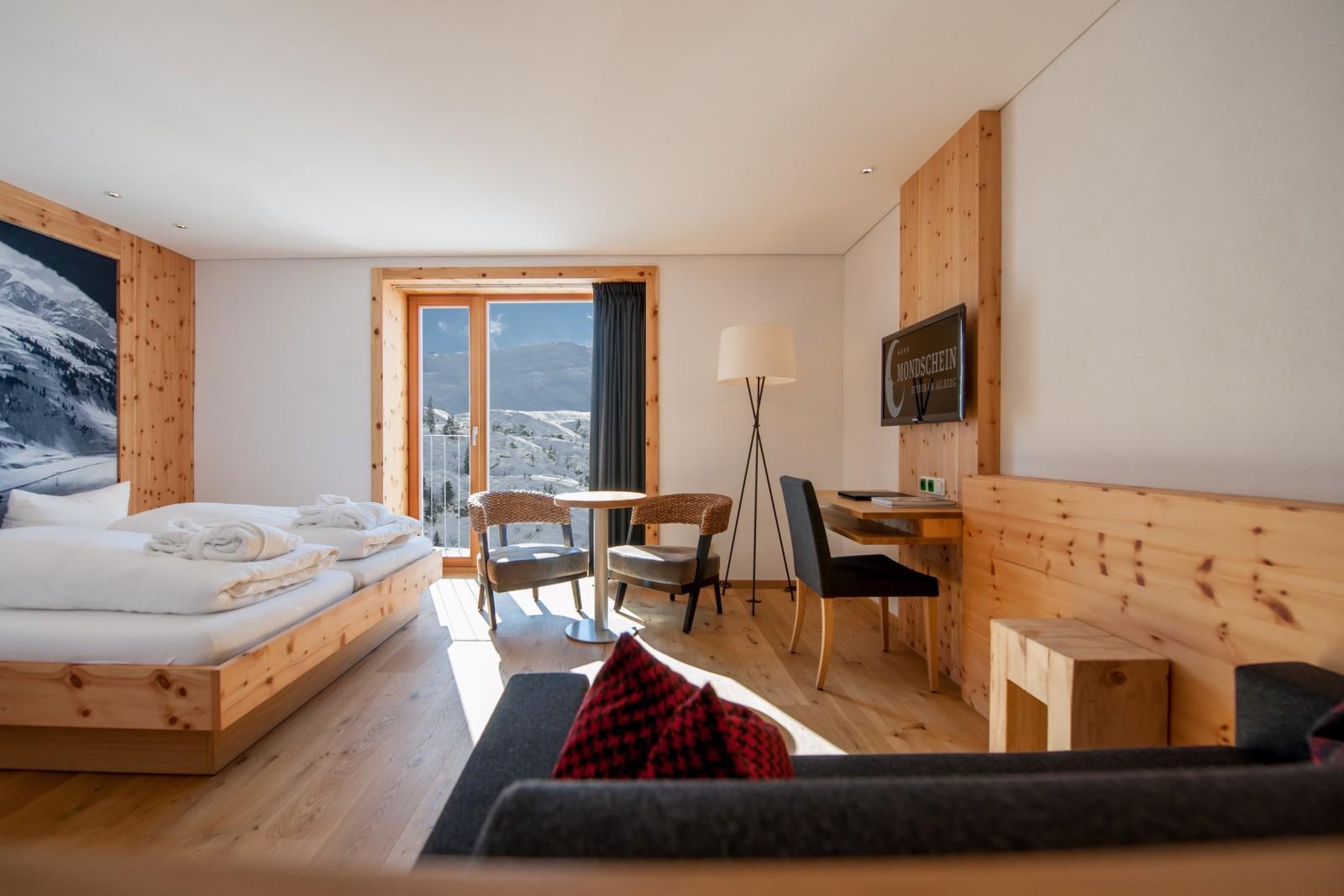
The Panorama Triple back at Hotel Mondschein suits a small group or a parent traveling with one child, floor-to-ceiling windows over the village included either season.
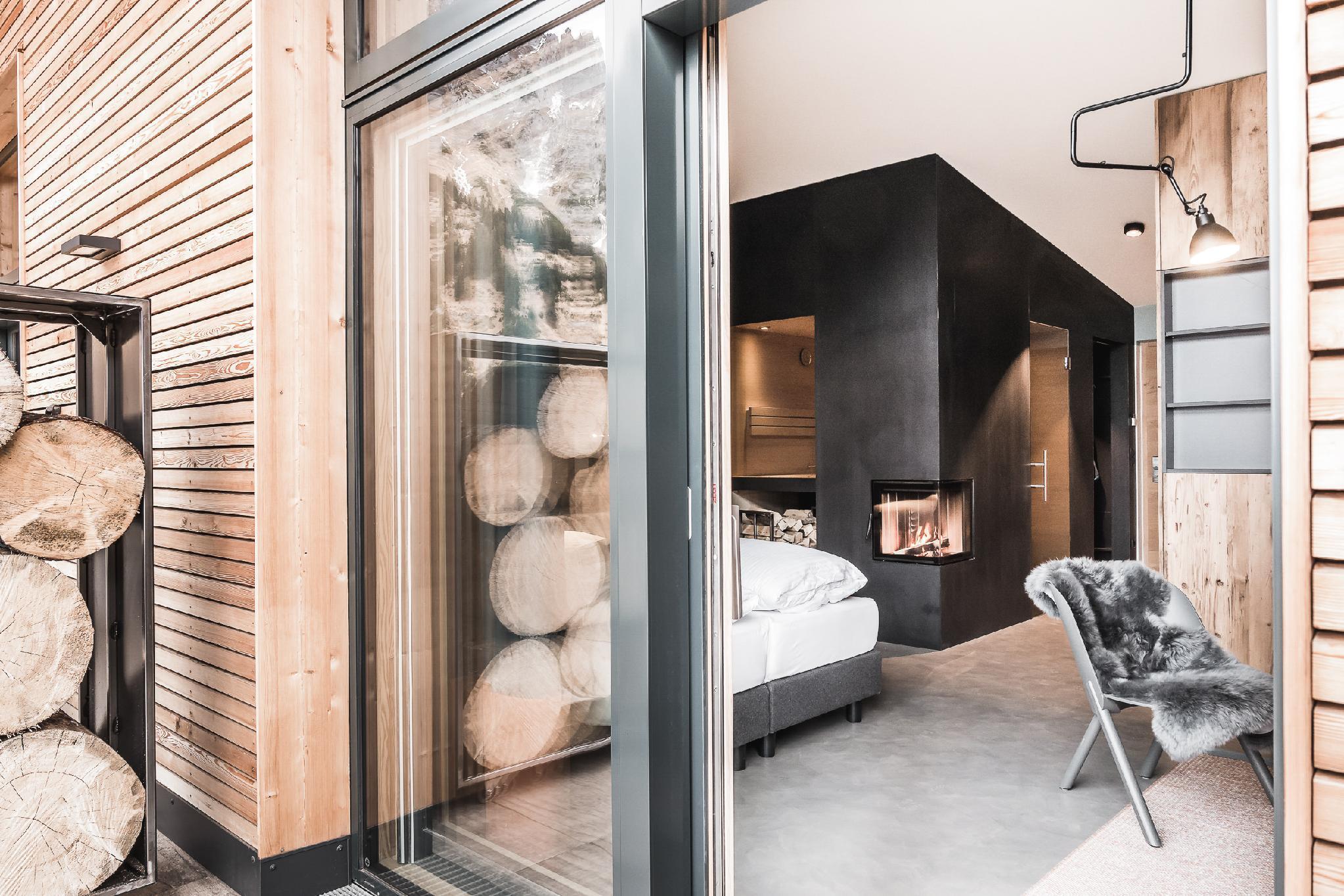
That later booking window makes summer a genuinely good option for a spontaneous or last-minute trip in a way winter rarely is, particularly for anyone flexible on exact dates and simply looking for an open week in the calendar without months of advance planning required beforehand.
Winter in Stuben: Skiing & Snow
The winter side of Stuben runs well beyond a single day of groomed pistes. Here is the full range, from the connected lift network to the more specialized ways of reaching the snow.
The Slopes & 305 km of Connected Pistes
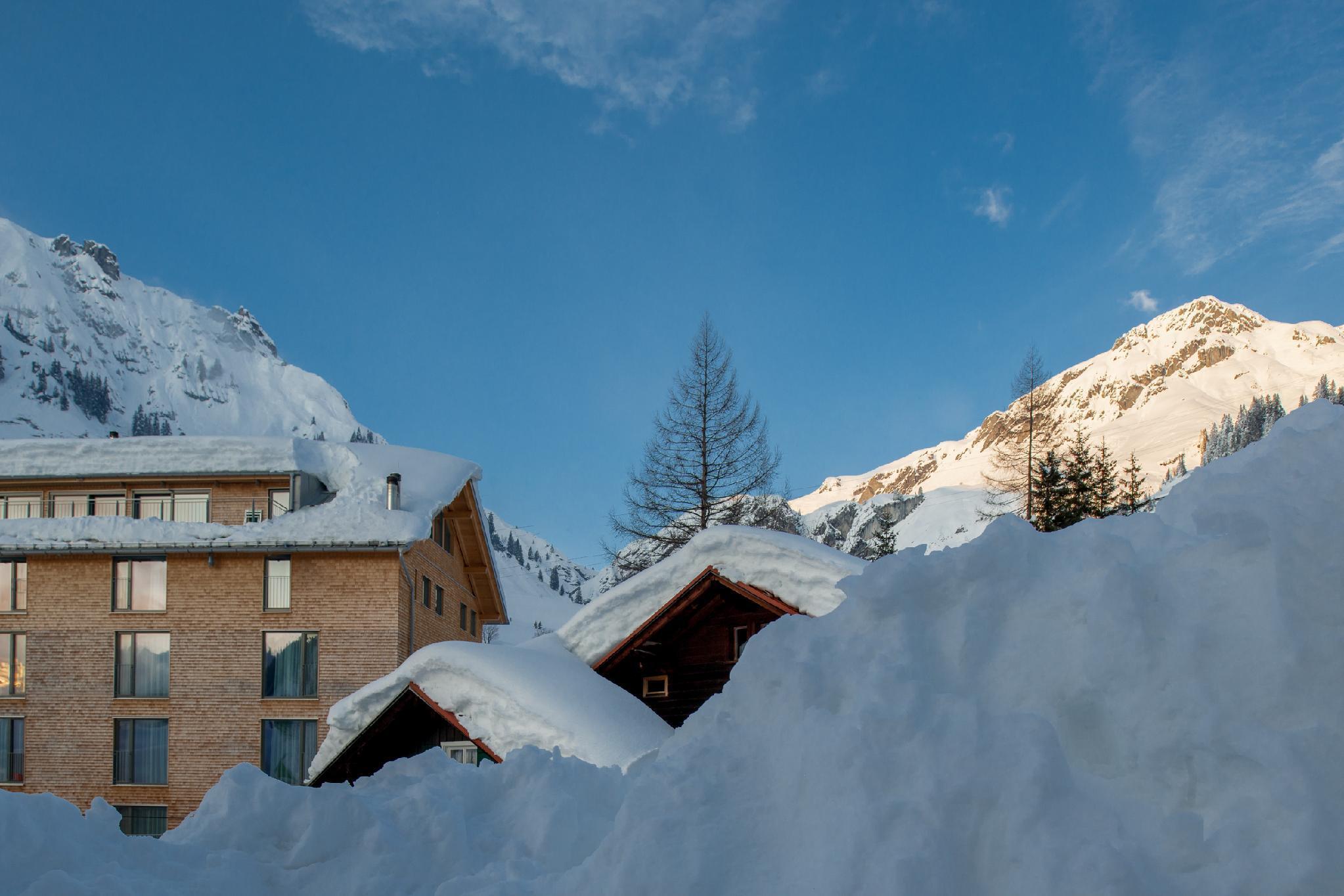
The 2026/27 season runs from 2 December 2026 through 18 April 2027, with January generally offering the coldest, most reliable powder and February the busiest weeks thanks to overlapping European school holidays. Stuben’s 1,400-metre altitude holds snow well across the full window, less prone to the early and late-season thinning lower resorts see.
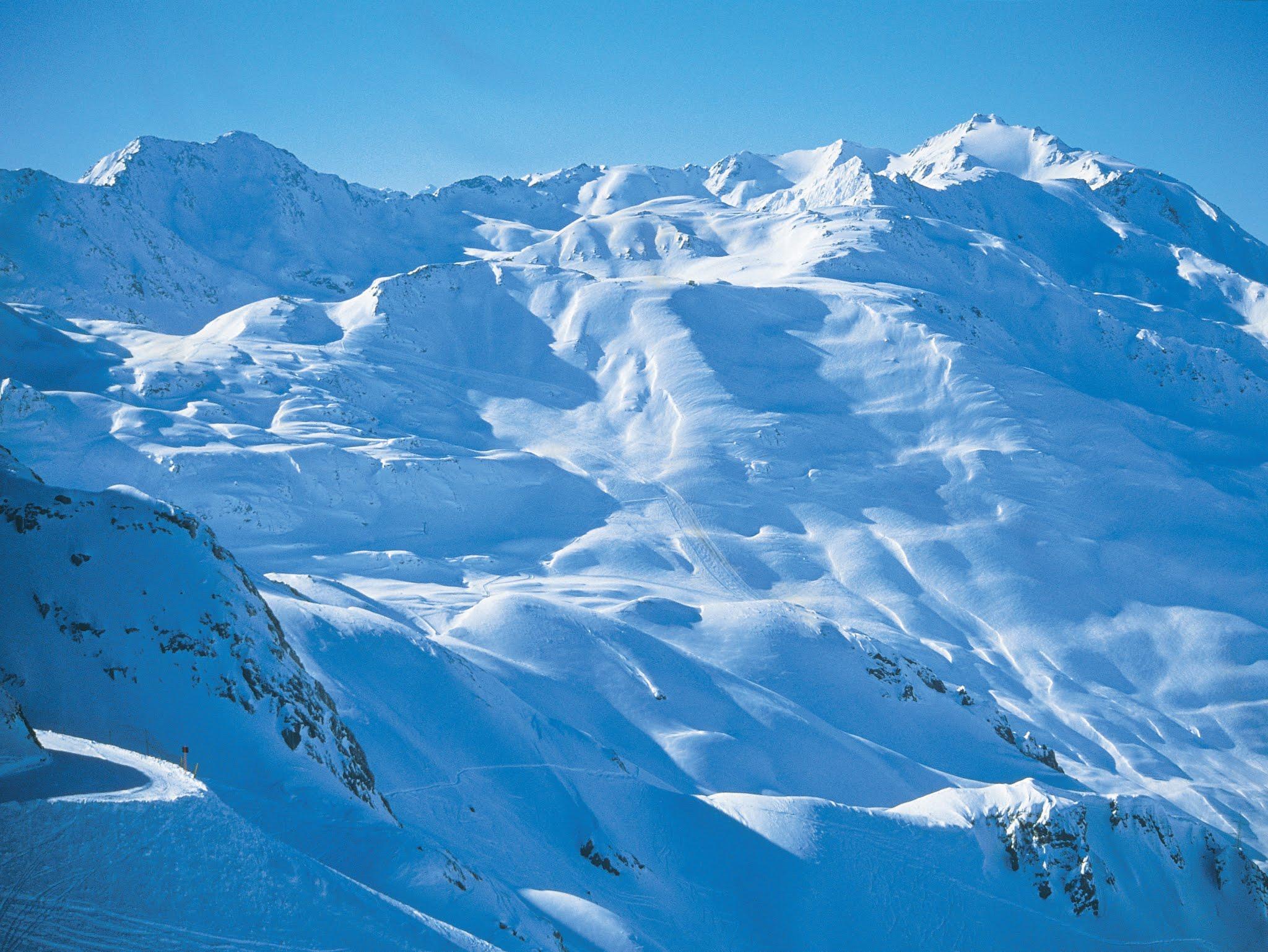
Any winter-focused Stuben am Arlberg travel guide should treat these four and a half months as genuinely distinct windows rather than one undifferentiated ski season lumped together.
Freeride & Off-Piste
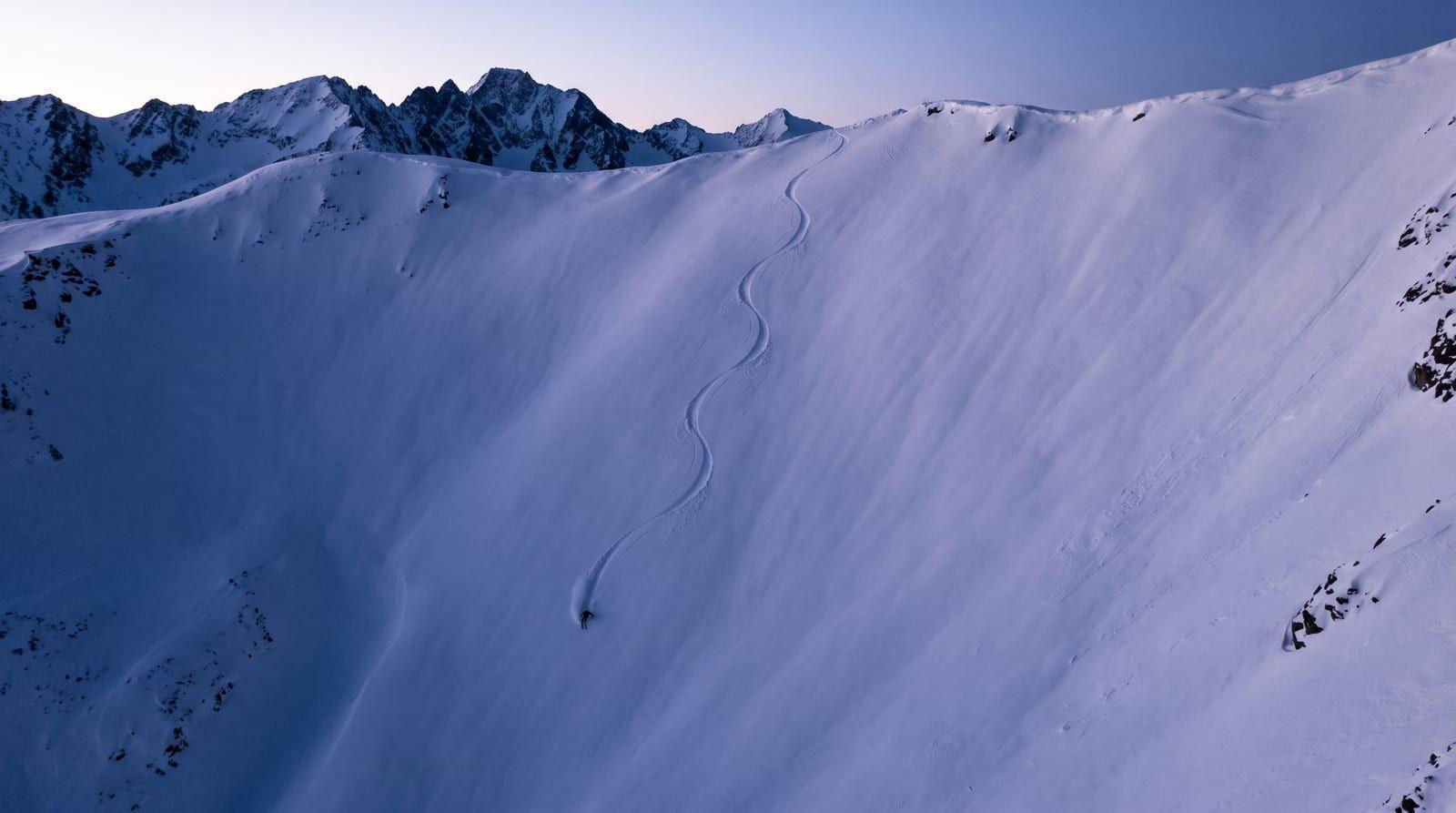
January through early February typically offers the most stable off-piste conditions, when the snowpack has had time to build depth without softening under stronger spring sun. A guide is strongly recommended for any freeride terrain, given how quickly avalanche conditions can shift on the Arlberg’s steeper faces.
Heli-Skiing
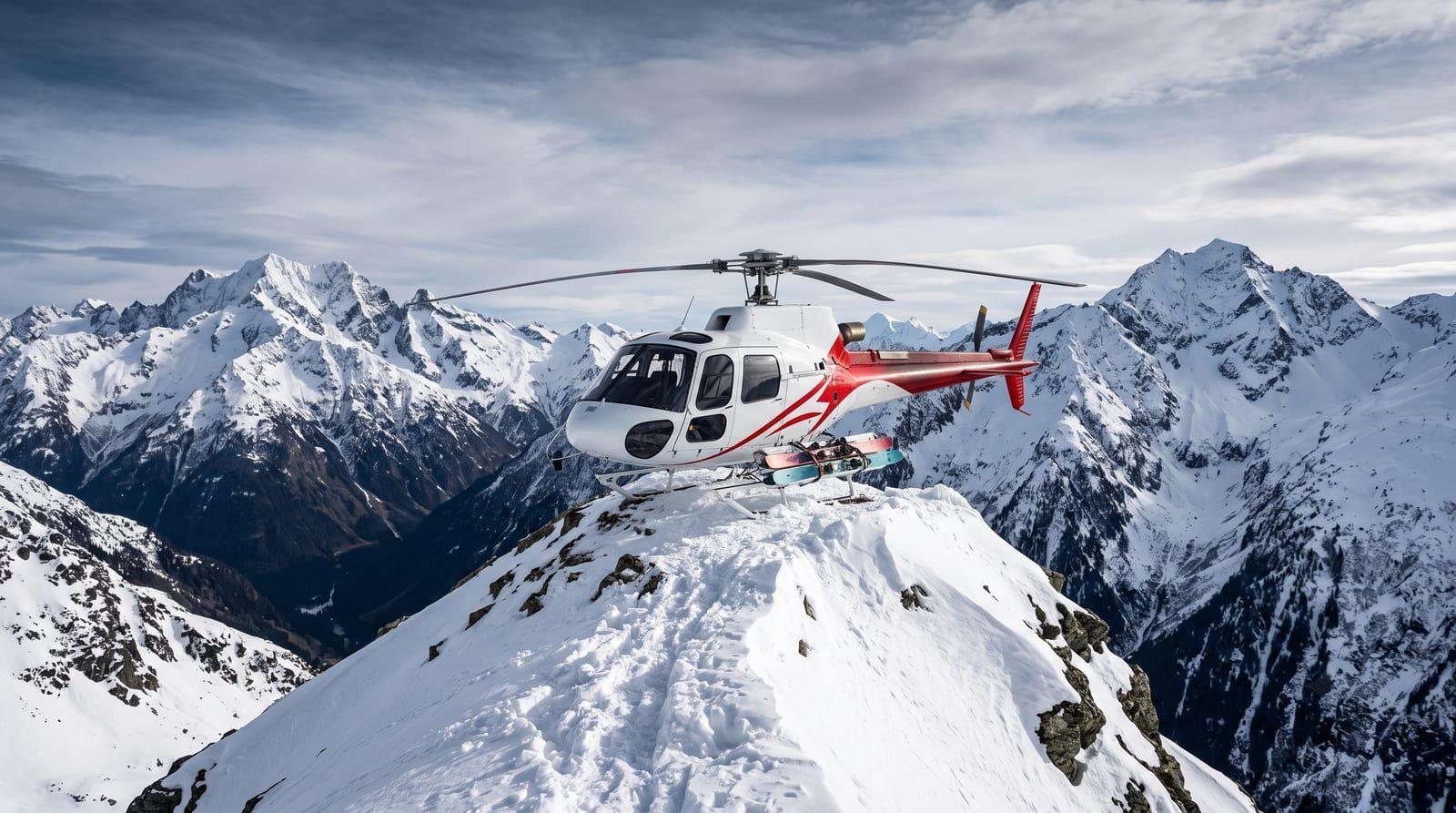
Heli-skiing access rounds out the winter offering for anyone wanting to reach terrain beyond the standard lift network, arranged through the wider region rather than a single village-specific operator. It remains a niche, higher-cost option best arranged well ahead of a trip rather than decided on arrival, since availability depends heavily on weather and demand during the specific week of a stay.
Ski Touring & Cross-Country
Ski touring routes around the Arlberg extend the useful skiing further into spring than lift-served terrain does, since a dawn start on foot can catch firm, stable snow well after resort-adjacent slopes have softened for the day. Cross-country tracks also run through the wider region for a lower-intensity alternative to downhill skiing.
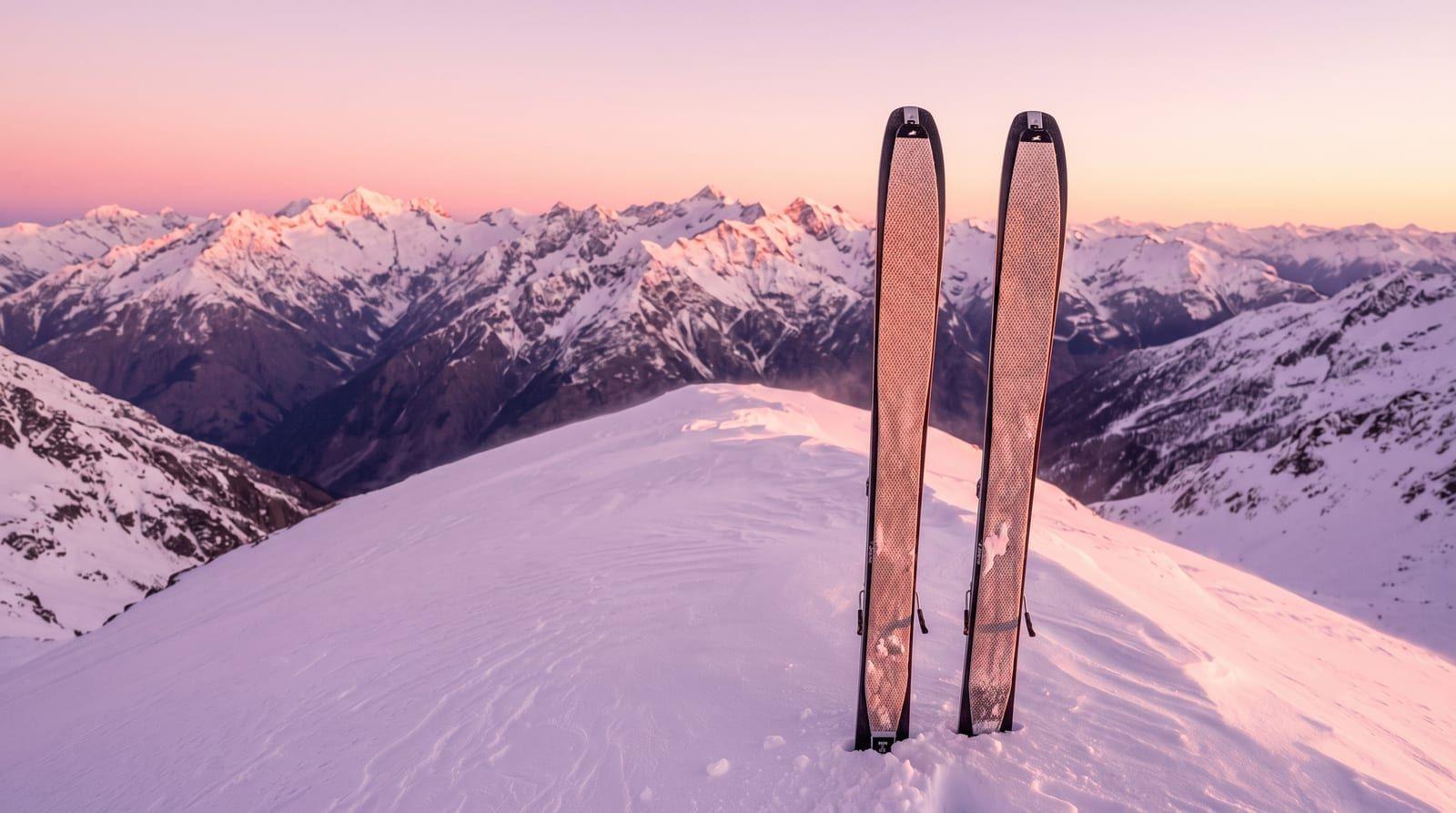
Proper avalanche training and equipment are non-negotiable for any touring route beyond a marked, patrolled trail, regardless of how experienced a given skier feels on lift-served terrain. Hiring a certified local mountain guide remains the single safest way to explore this side of the mountain for a first-time visitor to the region who has not toured this specific terrain before.
Summer in Stuben: Hiking & Mountain Life
Once the lifts stop running for the season, the same mountains open up an entirely different side of the village. Both the trails and the slower village pace are worth knowing about below.
Hiking Trails & Mountain Biking
Once the snow melts, the Albona’s north-facing slope opens up into a genuinely rewarding hiking area, with trails running through alpine meadows and forest at every experience level. Nearly 300 kilometres of marked bike trails cover the wider region, from leisurely e-bike routes along the Alfenz River to steeper climbs toward the side valleys for considerably more serious riders.
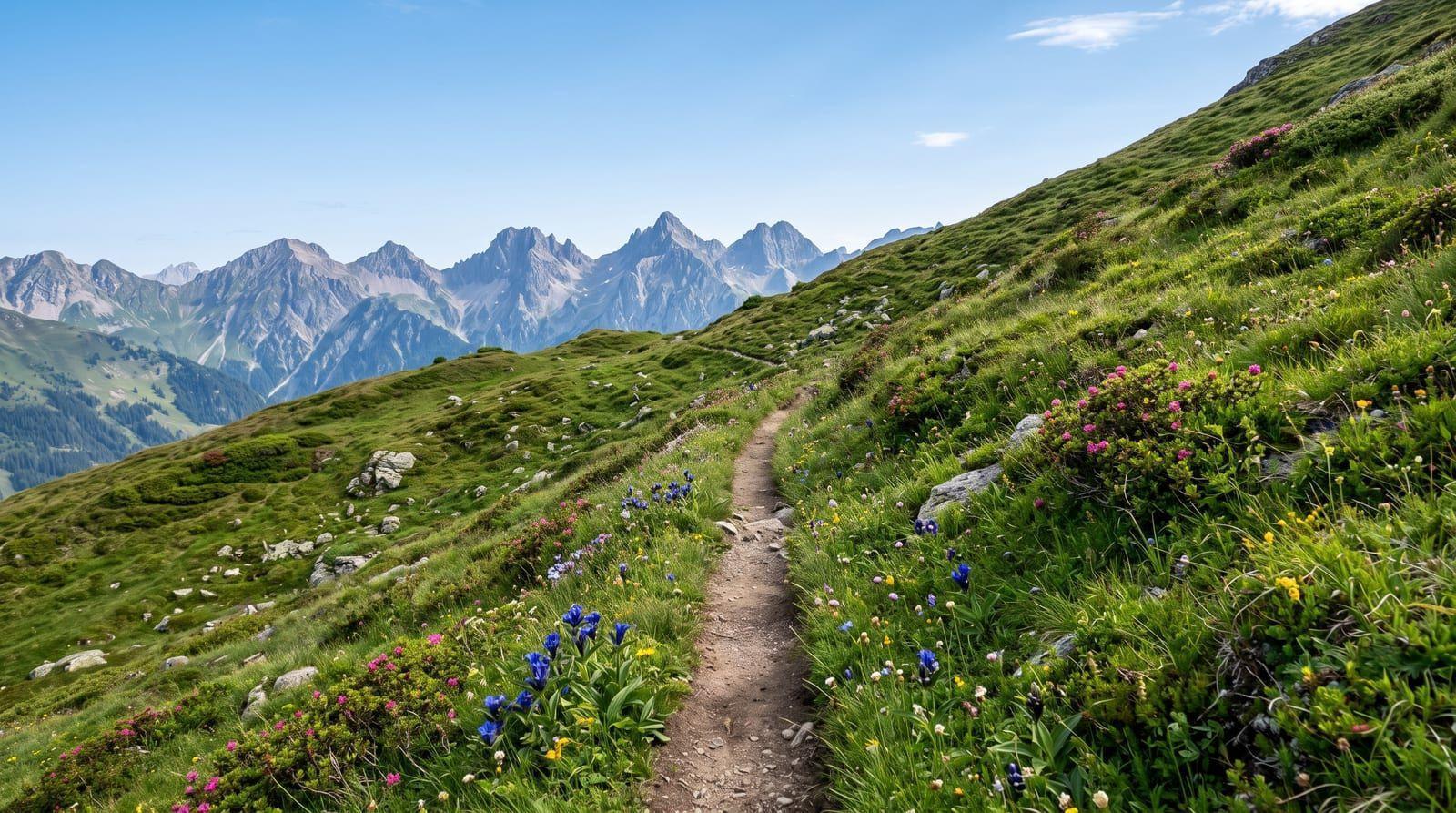
A summer-focused Stuben am Arlberg travel guide should point first-timers toward the Albona’s north slope specifically, since its shaded, north-facing exposure keeps trail conditions cooler and greener later into the summer than south-facing alternatives, and the trailhead sits within easy reach of the village center for anyone without a car. Multi-day hut-to-hut routes also extend from the same trail network for hikers wanting a longer, more committing itinerary.
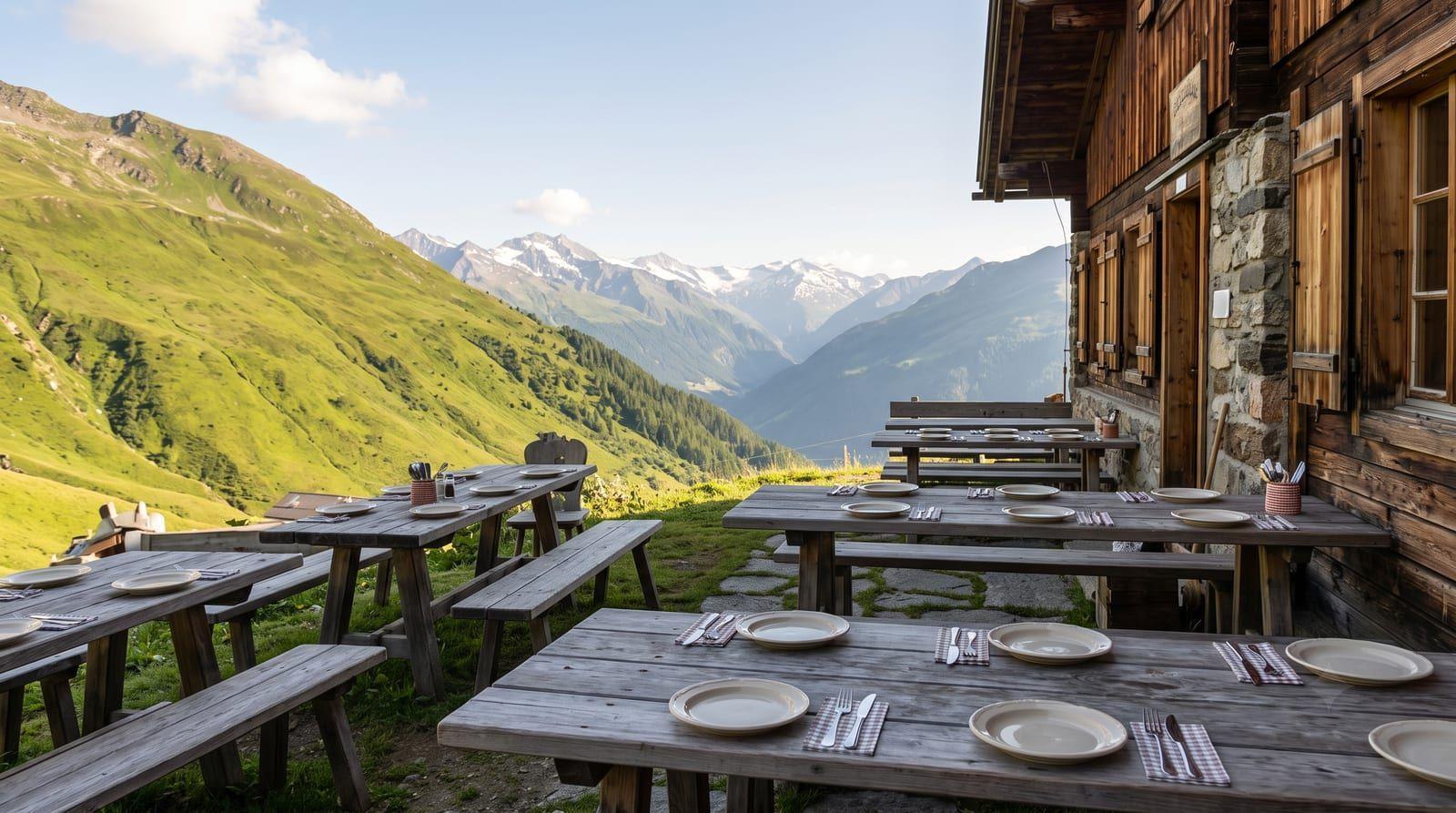
Mountain huts along the way offer a place to refuel with regional food partway through a longer route, a genuinely different rhythm to a hiking day than a ski day’s lift-serviced pace, and worth building into the plan for anyone tackling one of the longer trails rather than a short village loop close to Stuben itself.
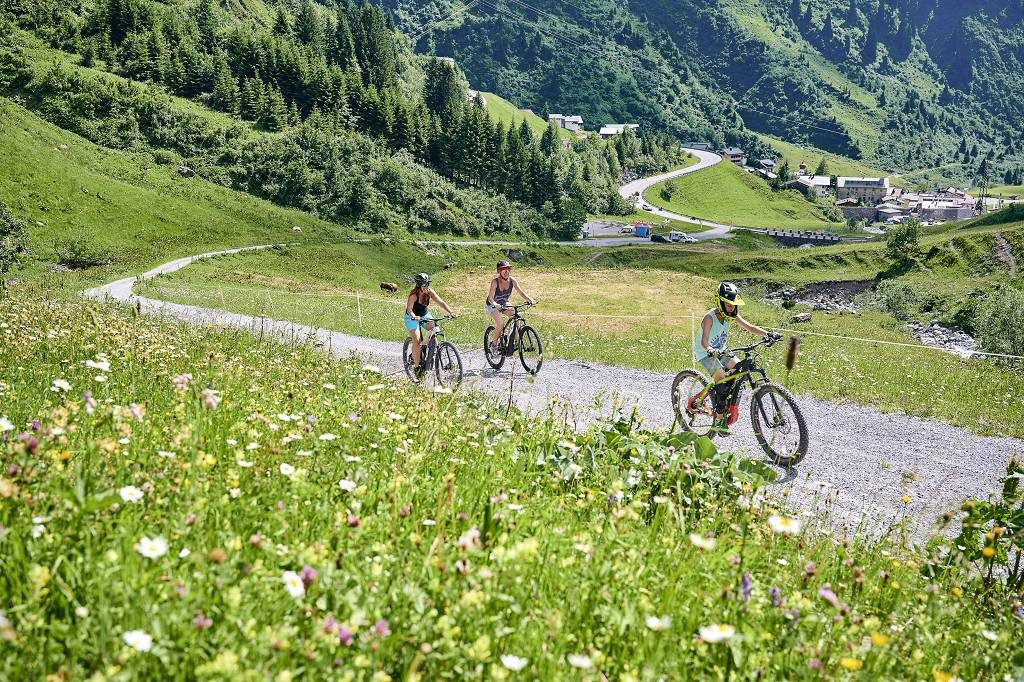
E-bike rentals are widely available across the region for anyone without their own equipment, a genuinely accessible way to cover the Alfenz River route without needing serious cycling fitness. More experienced riders can push further into the side valleys, where the climbs turn considerably steeper and the trail traffic thins out fast.
Road cycling routes also run through the wider Arlberg region for anyone preferring pavement to singletrack, taking advantage of the same relatively quiet summer roads that make the pass so much calmer than during peak ski weeks. The Arlberg Pass itself, so demanding in winter, becomes a genuinely rewarding road ride once clear of snow.
Summer Village Life & Slower Days
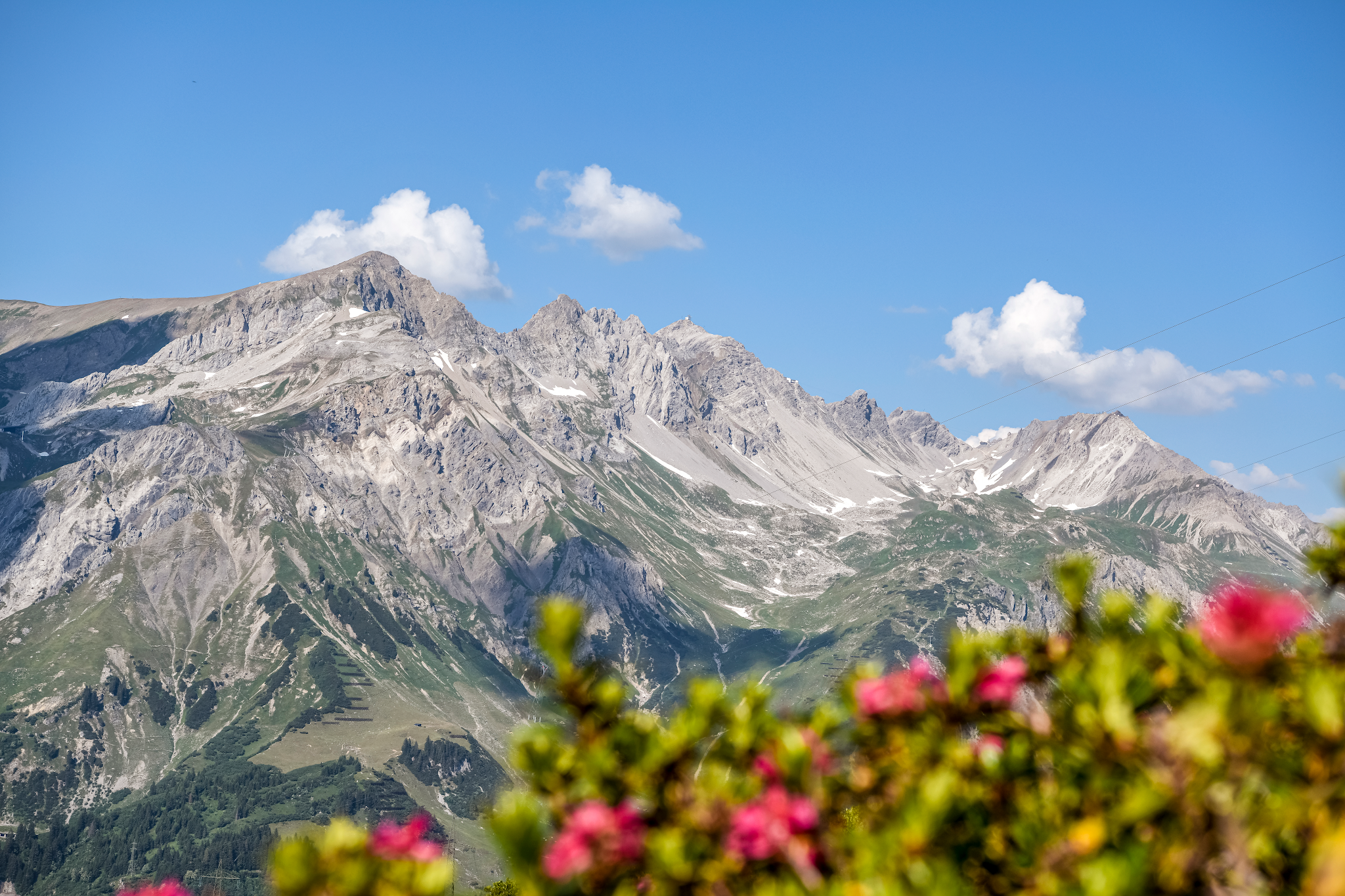
Summer strips away the crowds entirely, leaving a genuinely quiet version of the same village, clear mountain air, imposing peaks, and a pace built for connoisseurs of peace and quiet rather than powder chasers. Chalet Mondschein’s private suites work particularly well for this season, each with its own wellness area for winding down after a day on the trails.
The village itself feels almost entirely different in July than in February, worth experiencing at least once for anyone who has only known Stuben as a winter destination. Outdoor terraces that spend the winter buried in snow reopen for long, unhurried lunches, and the same mountains that define the ski season take on a completely different character once green rather than white.
Keen photographers and anyone who simply enjoys a quiet mountain view often prefer the summer version of Stuben specifically for this reason, since the same peaks that frame a busy February piste day become a backdrop for a genuinely peaceful afternoon with none of the winter crowds competing for the same view or the same trail.
Practical Differences Between the Two Seasons
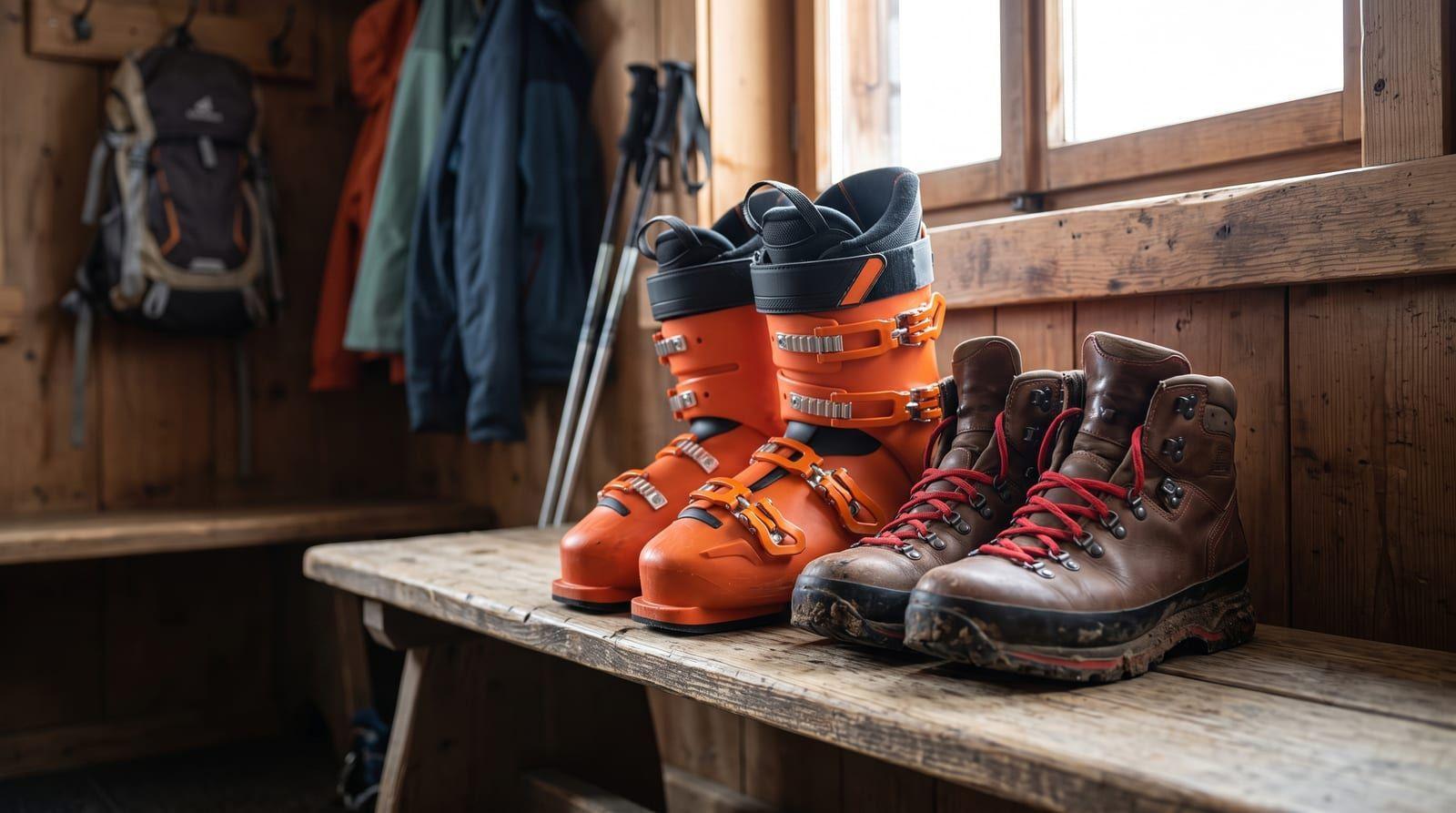
Packing lists differ entirely between the two: winter demands proper insulated layers and ski-specific gear, while summer needs hiking boots, sun protection, and layers for cooler mountain mornings that can still surprise a visitor expecting valley-floor warmth at 1,400 metres.
Checking a proper weather forecast rather than assuming based on the calendar month alone avoids being caught out either way, particularly for a trip planned right at the edge of either season when conditions can genuinely go either direction.
Pricing also shifts considerably by season, with winter’s peak weeks commanding the highest rates of the year and summer generally sitting at a noticeably lower price point across most properties in the village, Mondschein included. A budget-conscious traveler with genuine flexibility on season should weigh this difference seriously when planning a first visit.
Crowd levels follow the same pattern in reverse: winter’s peak weeks bring the heaviest foot traffic the village sees all year, while even a busy summer weekend feels noticeably calmer than a quiet winter weekday, a genuine contrast worth experiencing firsthand for anyone who has only known the village through its ski-season reputation and photos.
Where to Eat & Drink (Year-Round)
Hotel Mondschein’s own Chef’s Table, currently led by chef Joshua Leise, runs through the winter season, an eight-seat residency that books out well ahead of peak weeks.
The historic Alte Gaststube runs alongside it through the same winter season, a more relaxed register for a night that does not need to be a special occasion.
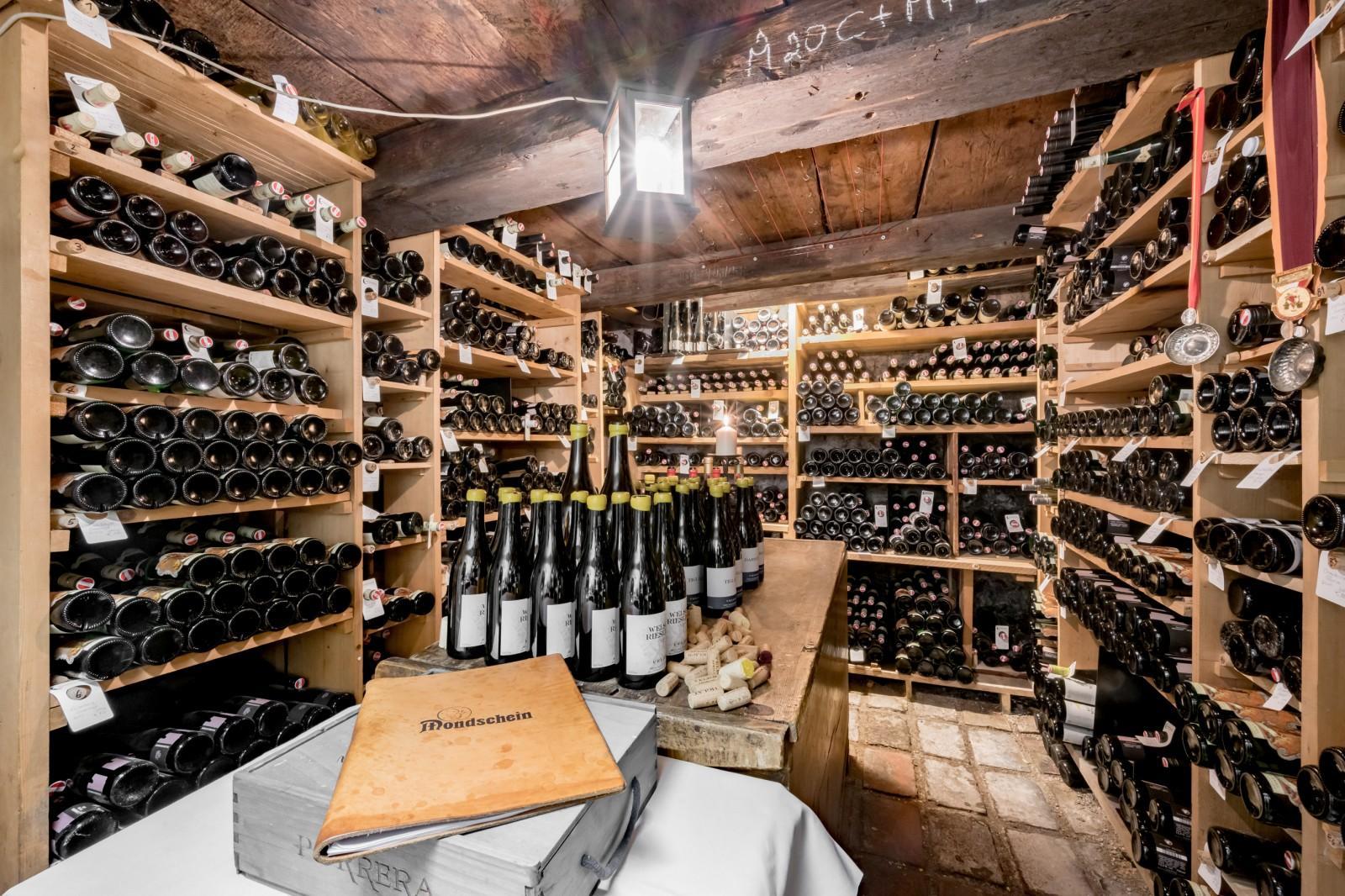
The 17th-century wine cellar‘s private tastings run by appointment too. Fuxbau at Das Johann and Restaurant Arlberg Stuben round out the village’s genuine dining options, both taking walk-ins more readily than the eight-seat Chef’s Table.
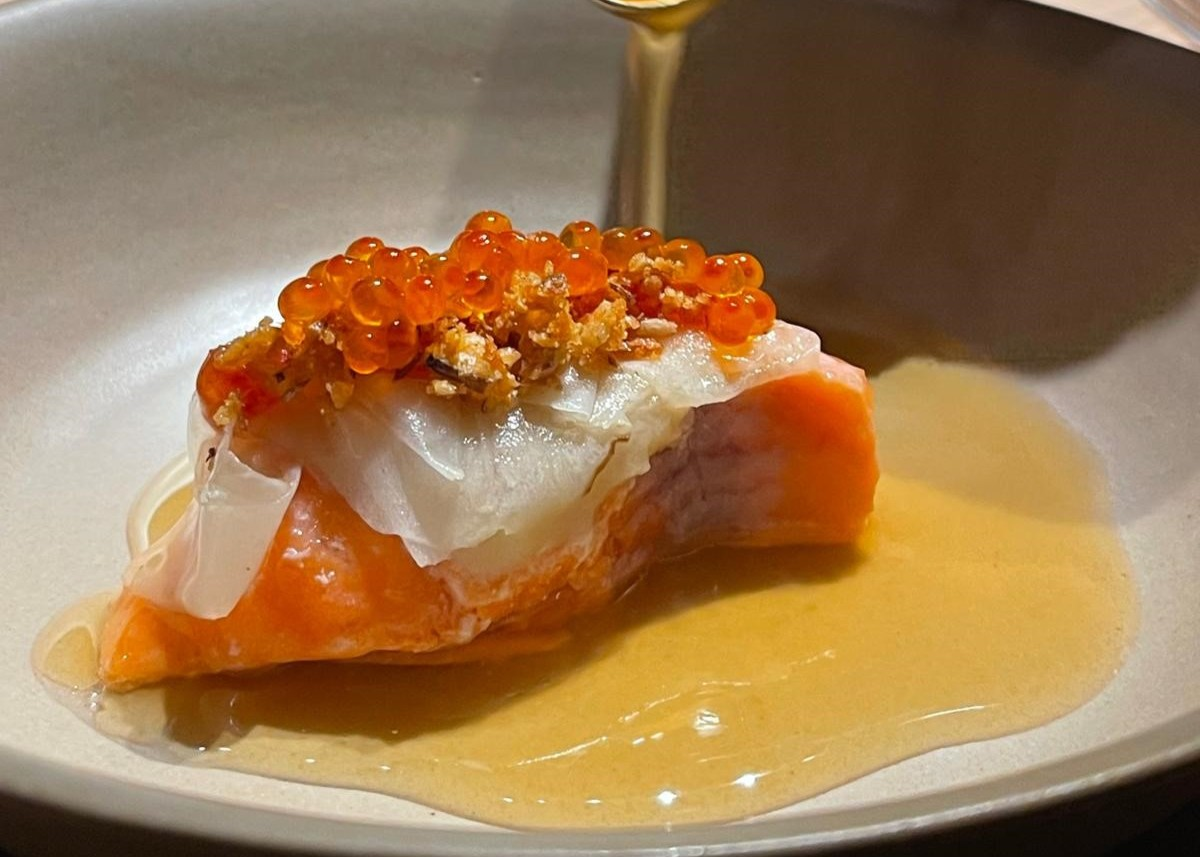
Confirming which of these venues stay open through summer, versus scaling back to winter-only hours, is worth doing directly before planning a meal around a specific restaurant outside the core ski season. Any complete Stuben am Arlberg travel guide should flag this rather than assume winter hours carry over automatically.
A summer visitor should not assume the same dining depth as a peak winter week, since some of the village’s more elaborate programming, fondue nights, guest-chef events, ties specifically to the ski season crowd rather than running year-round on the same schedule as the rest of the village’s core dining venues.
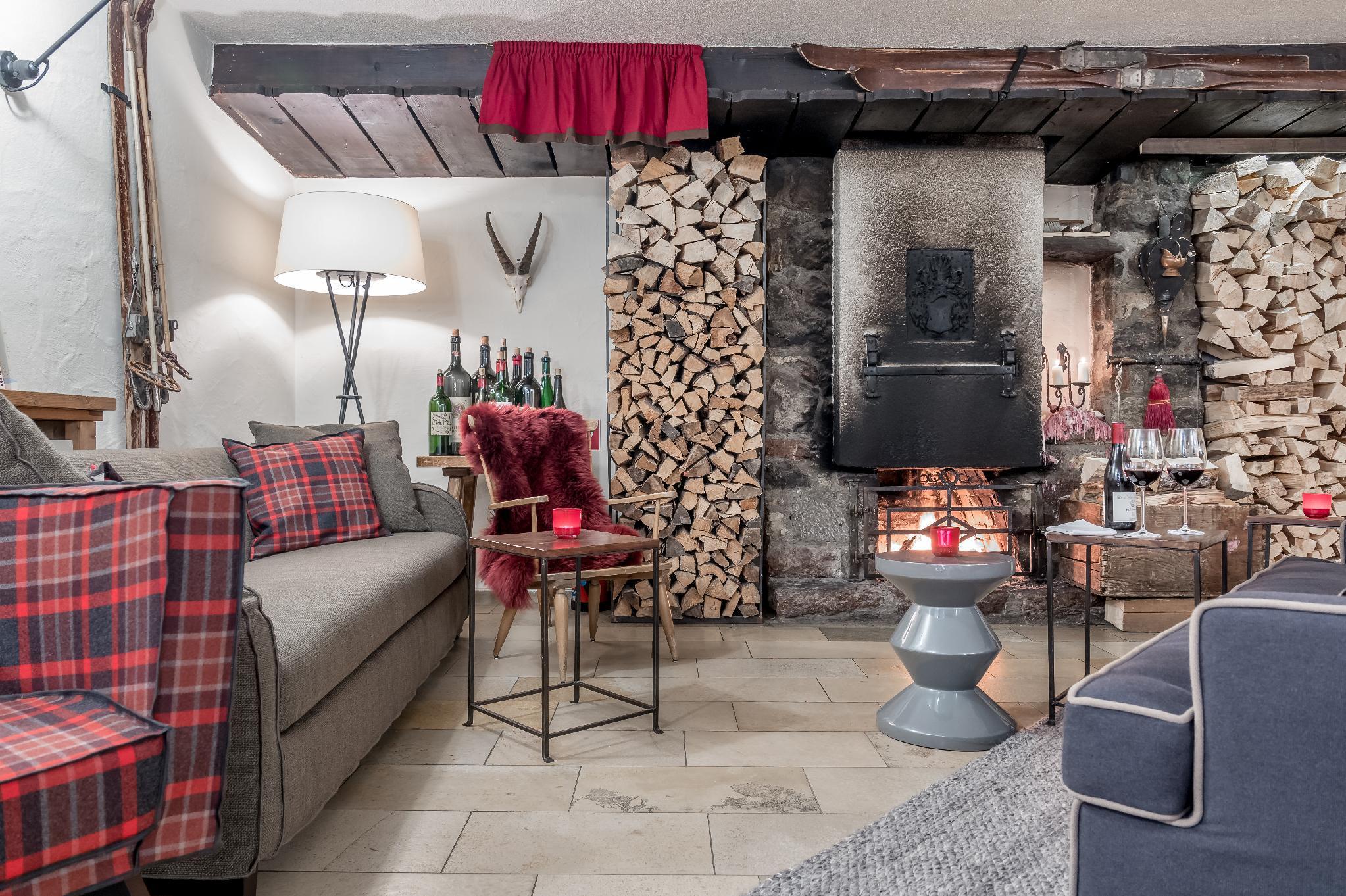
The Mondschein Bar & Fireplace Lounge and Bar 58 at Das Johann both cover apres and evening drinks through winter specifically, open daily from 4pm and running December through April respectively, giving the village a genuine choice of where to end a ski day.
Both venues lean into a fireplace-and-cocktails atmosphere rather than a loud apres scene, worth knowing for anyone expecting the livelier apres culture found in bigger resort towns like St Anton rather than Stuben’s quieter, more restrained version of the same evening tradition.
Best Time to Visit & How Long to Stay
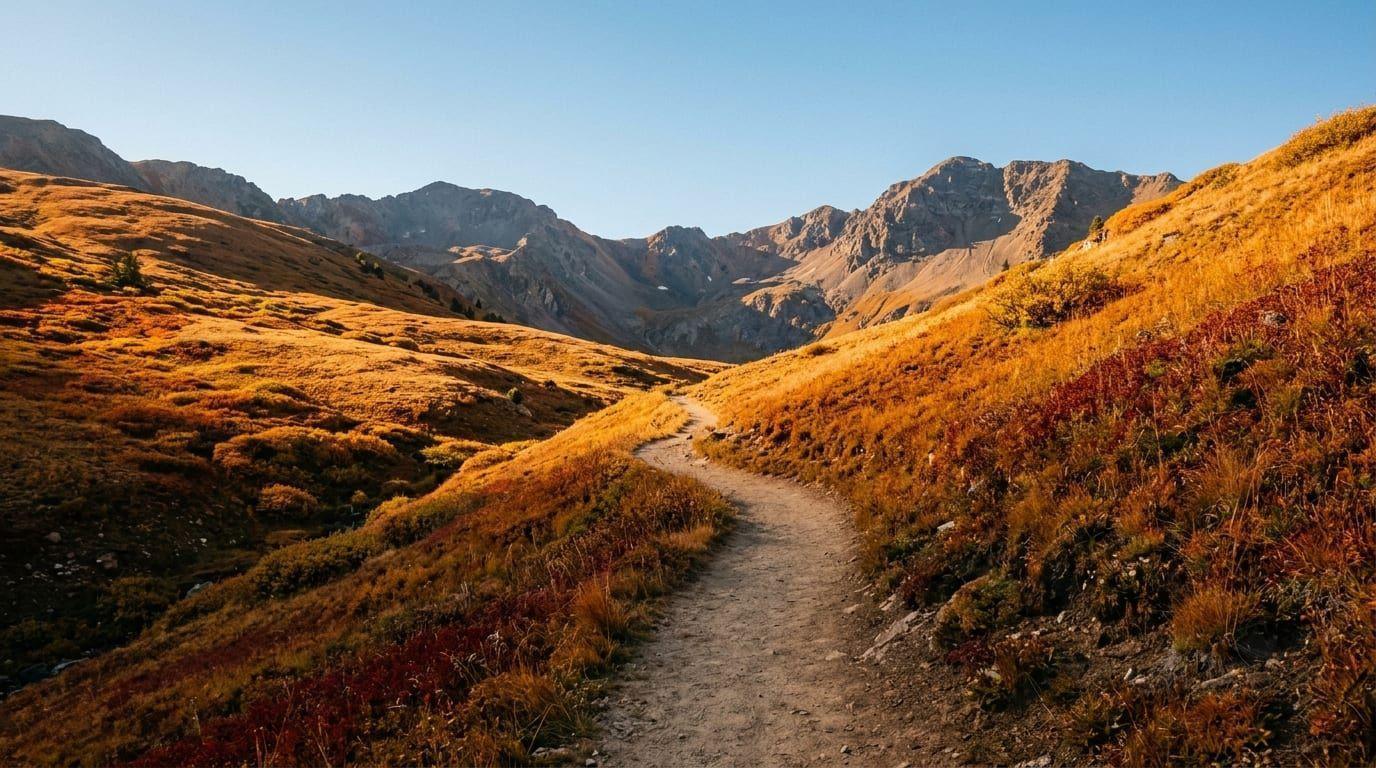
For winter, January offers the best snow, February the most reliable conditions balanced against the heaviest crowds, and March pairs still-good snow with longer, brighter days. For summer specifically, June through September covers the full hiking and biking season, with July and August drawing the warmest weather and the greenest, most fully bloomed alpine trails.
Three to five days suits most winter trips, enough time to properly explore the connected Arlberg terrain without rushing. A summer visit works well as a shorter two-to-three-day stop or as part of a longer Alpine road trip, given the smaller footprint of activities compared with a full ski week.
Shoulder periods either side of both core seasons, May and late September into October specifically, generally see reduced services across the village as properties handle maintenance and staff transitions between the winter and summer operations, worth checking directly before planning a visit right at the edge of either season rather than assuming full services year-round.
Splitting a Trip Between Winter and Summer
Repeat visitors who have already experienced Stuben’s winter side sometimes deliberately plan a return trip specifically for summer, treating the two as genuinely separate destinations that happen to share the same address rather than one trip simply repeated a second time. That approach makes sense given how little overlaps between the two beyond the physical location and the Mondschein properties themselves.

For a first-time visitor without a strong seasonal preference, winter still makes the more obvious introduction to the village given its skiing reputation, but treating a follow-up summer visit as a genuinely different trip, not a lesser version of the same one, sets the right expectations for what to actually plan around.
Staying at the same property across both visits, Mondschein Hotel & Chalet specifically, gives a returning guest a useful point of comparison, since the staff, the building, and the wider village all carry a familiar continuity even as the mountains outside change character entirely between the two trips. That continuity is easy to underestimate until actually experienced firsthand.
Read more: Ski vs Summer Alps: Two Completely Different Vacations
Conclusion
This Stuben am Arlberg travel guide comes down to two genuinely different trips depending on the season: winter built around the Albona lift, deep snow, and a historic dining scene, and summer built around hiking, biking, and a quiet that winter never offers. Both are worth planning around deliberately rather than defaulting to winter by habit alone.
Whichever season fits, reach out to Mondschein Hotel & Chalet directly to check current availability and confirm seasonal opening dates before booking. This Stuben am Arlberg travel guide is best used as a starting point rather than a final word, given how much can shift season to season in a village this size.
Frequently Asked Questions
Is Stuben am Arlberg worth visiting?
Yes, in both seasons. Winter offers genuine Arlberg terrain without St Anton or Lech’s crowds and prices, and summer offers quiet hiking and biking through the same mountains once the snow clears. Most first-time visitors genuinely underestimate how different, and how worthwhile, the summer side of the village actually is.
How many days should I spend in Stuben?
Three to five days suits a winter ski trip, enough to properly use the connected Arlberg lift network without feeling rushed. A summer visit works well as two to three days or as a stop within a longer Alpine itinerary, particularly one covering several villages across the wider region.
Is Stuben good for non-skiers?
In the summer months, yes, entirely. In winter, the village is genuinely built around skiing, so a non-skiing winter visitor should expect a quieter, more limited set of activities than during the hiking and biking season, though the dining scene and wellness facilities still function normally year-round regardless of whether a guest skis or not.
How do I get to Stuben am Arlberg?
Innsbruck Airport is the closest at around 1 hour 30 minutes by road, with Zurich, Friedrichshafen, and Munich as alternatives, plus a direct train option to Langen am Arlberg, five minutes from the village. The same routes apply in both winter and summer, though winter driving requires proper winter tires or snow chains for the final stretch of the pass.
Is Stuben better than St Anton or Lech?
Better depends on priorities. Stuben offers a quieter, smaller-scale base connected to the same terrain and trail network as both, while St Anton and Lech offer more nightlife and a larger range of accommodation and dining options. The right choice depends entirely on whether a traveler wants a bigger resort scene or a quieter village experience across either season of the year.