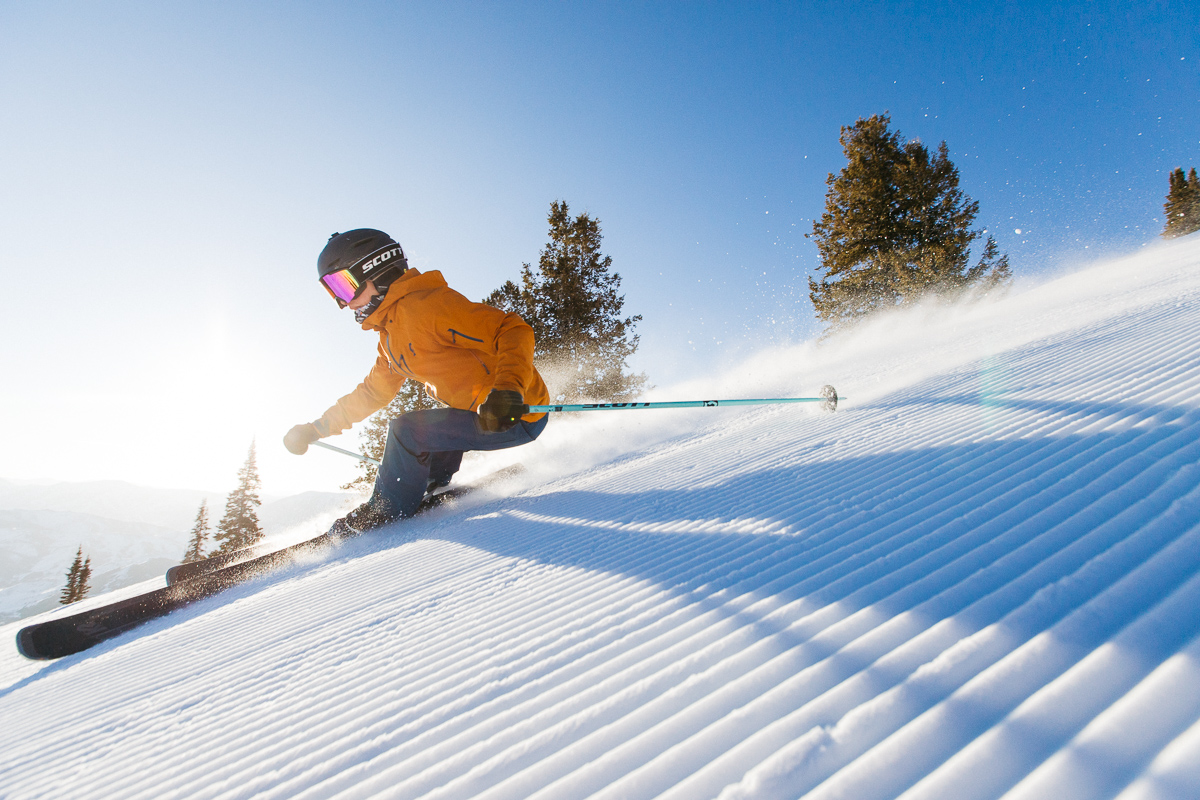
Finding the single best time to ski the Arlberg is a myth, as optimizing for deep snow, empty slopes, long daylight, or a flexible budget inherently requires tradeoffs. Fortunately, the 2026/27 Ski Arlberg season offers a generously long window to plan around, officially running from Wednesday, 2 December 2026 through Sunday, 18 April 2027.
Because no single week can maximize all of these factors at once, this guide breaks down the calendar month by month based on actual on-mountain conditions. By outlining the honest realities of each stretch of the season, you can align your trip with your exact alpine priorities rather than relying on a one-size-fits-all recommendation.
What Makes the Arlberg’s Season Different
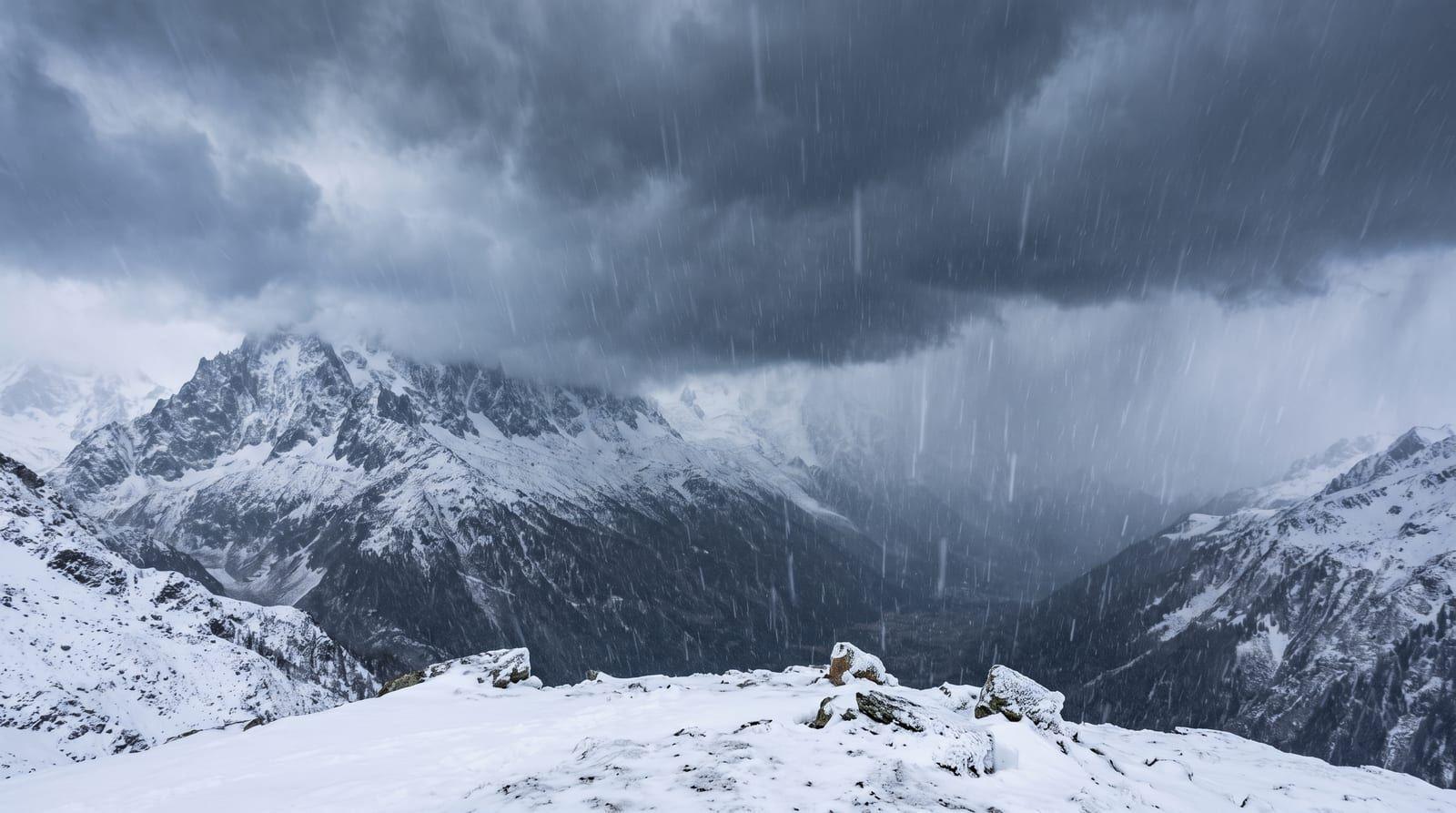
The Arlberg genuinely sits among the very snowiest regions in the whole of the Alps, a genuine geographic advantage that shapes the whole conversation around the best time to ski Arlberg compared with lower or more sheltered resorts elsewhere in Austria or Switzerland. Storm systems moving steadily across Vorarlberg tend to dump heavily right here specifically, a large part of why the region built its reputation on deep, reliable powder rather than relying purely on snowmaking.
That reputation also means the Arlberg’s peak weeks draw a genuinely international crowd chasing the same reliable snow, which is exactly why the crowd-versus-conditions tradeoff matters more here than in a less snow-sure destination where visitors spread their bookings more evenly across the season. A destination with genuinely less reliable snow simply does not see the same heavy concentration of demand around its statistically best available weeks.
When Does the Arlberg Ski Season Run?
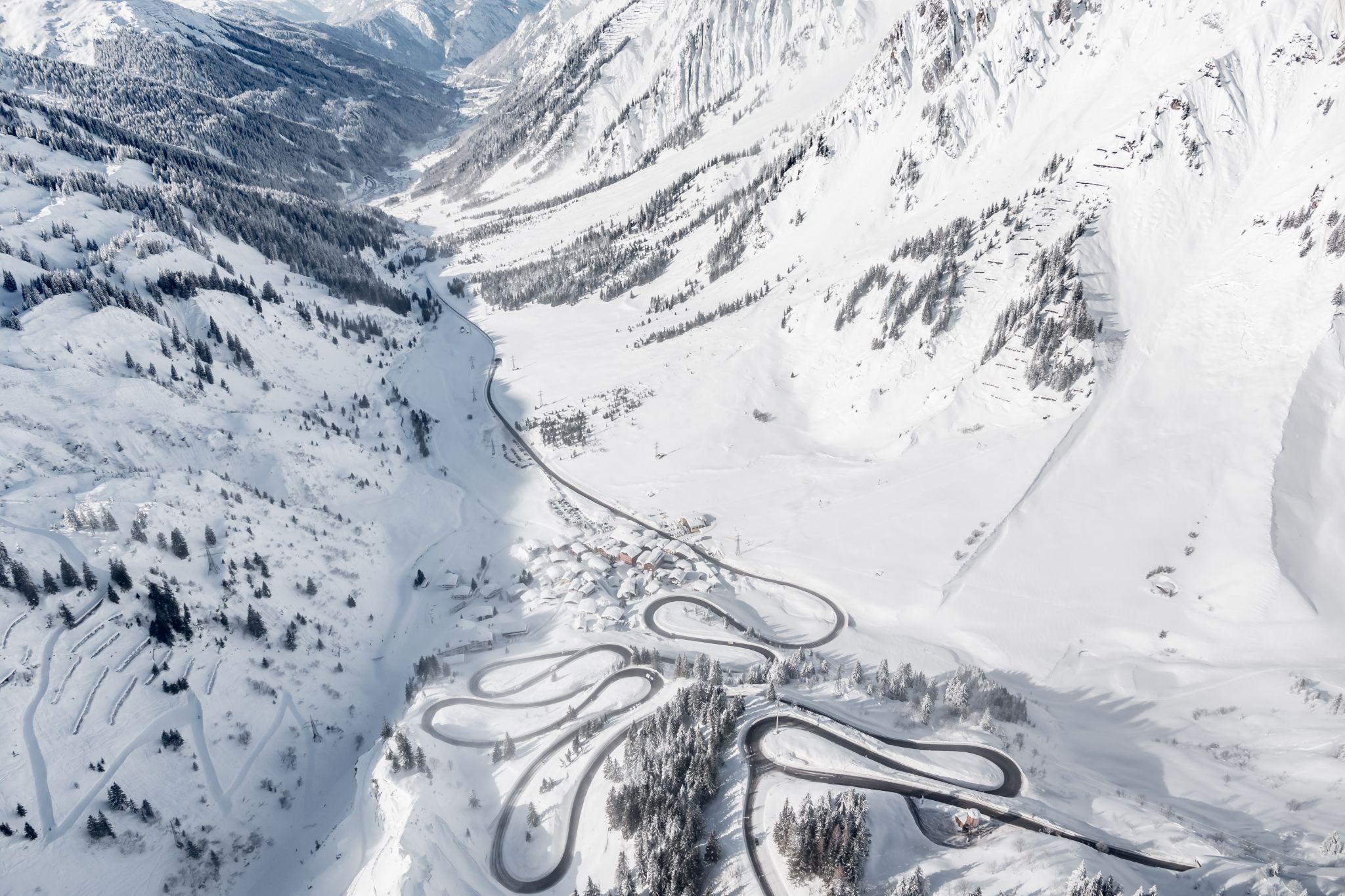
Exact official season dates shift slightly year to year depending on snowfall and lift maintenance schedules, but the Arlberg reliably opens in early December and runs through mid-April, among the longer seasons in the Alps thanks to the region’s altitude. Stuben itself sits at 1,400 metres, high enough that its own slopes and access lift hold snow well across the full window rather than thinning out early at the lower edges of the season.
That length matters directly for how a traveler should think about the best time to ski Arlberg: four and a half months of genuinely skiable terrain, from 2 December 2026 to 18 April 2027 (though individual sectors such as Warth-Schrocken open a few days later), gives far more flexibility than a resort with a six or eight-week core season, where almost every possible date effectively becomes a peak-week compromise.
The Arlberg Ski Season Month by Month
Typical mid-mountain snow depths across the Arlberg give a rough baseline for what to expect, though any single season can run above or below these averages.
| Month | Typical base depth (mid-mountain) | Snowfall character |
|---|---|---|
| December | ~120 cm, building | Variable early, reliable by mid-month |
| January | ~160 cm | Deepest fresh snowfall, coldest, driest powder |
| February | ~275 cm | Near-peak base, frequent top-ups |
| March | ~300 cm (seasonal max) | Solid cover, wetter/heavier by afternoon |
| April | Declining, altitude-dependent | Variable; holds best on high, north-facing terrain |
Figures reflect Arlberg-wide averages; Stuben’s 1,400 m base and north-facing terrain typically hold depth a touch longer into spring than lower villages.
Four and a half months make up the full season, and each one trades snow, crowds, and daylight differently. The breakdown below starts where the season itself does, in December.
December: Season Opening & Festive Slopes
Early December can bring variable snow in some parts of the wider Alps, but the Arlberg’s altitude generally means most lifts are running well by mid-month, with the slopes properly prepared by the Christmas and New Year weeks. Crowds build fast around the holidays specifically, so a traveler wanting December skiing without peak-week pricing should target the first two weeks of the month instead.
The festive stretch itself, roughly 20 December through the first days of January, brings its own atmosphere: villages decorated, Christmas markets in the wider region, and a genuinely celebratory mood that some travelers specifically plan a trip around despite the higher prices and busier slopes that come with it, treating the cost as part of the experience rather than a drawback.
January: Best Powder & Coldest Snow
January is widely considered the best time to ski Arlberg for pure snow quality: reliable snowfall, consistently cold temperatures, and a stable, thick snowpack that suits both groomed runs and off-piste terrain. Powder days come frequently, and the cold keeps the snow from turning heavy or wet the way it can later in the season.
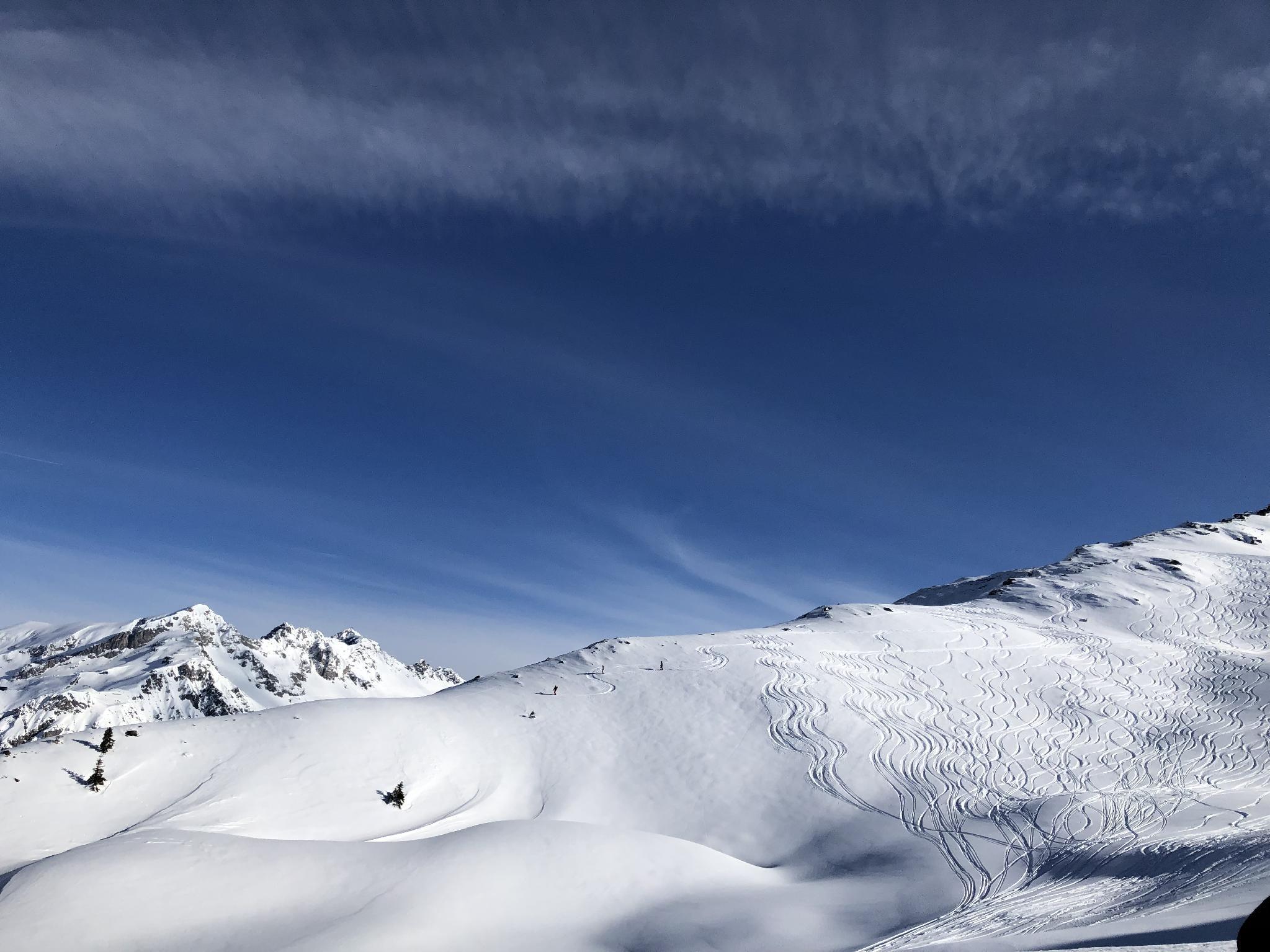
The trade-off is daylight and, on the coldest days, comfort: January’s shorter days mean an earlier finish on the mountain, and a genuinely cold morning start is worth planning for with proper layering. For a serious powder-focused trip willing to accept both, January still edges out the rest of the season on conditions alone.
Bookings for January fill early too, not just February, since serious powder-focused travelers plan their trip specifically around the month. The same three-to-six-month booking window that applies to February’s peak weeks applies here as well.
February: Peak Season & School Holidays
February holds the heaviest crowds of the season, driven by school holidays across several European countries stacking on top of each other, but the snow itself is usually excellent, with base depth typically at its maximum and longer daylight hours than December or January. Booking three to six months ahead matters more for this stretch than any other, given how few genuine beds a village the size of Stuben actually has.
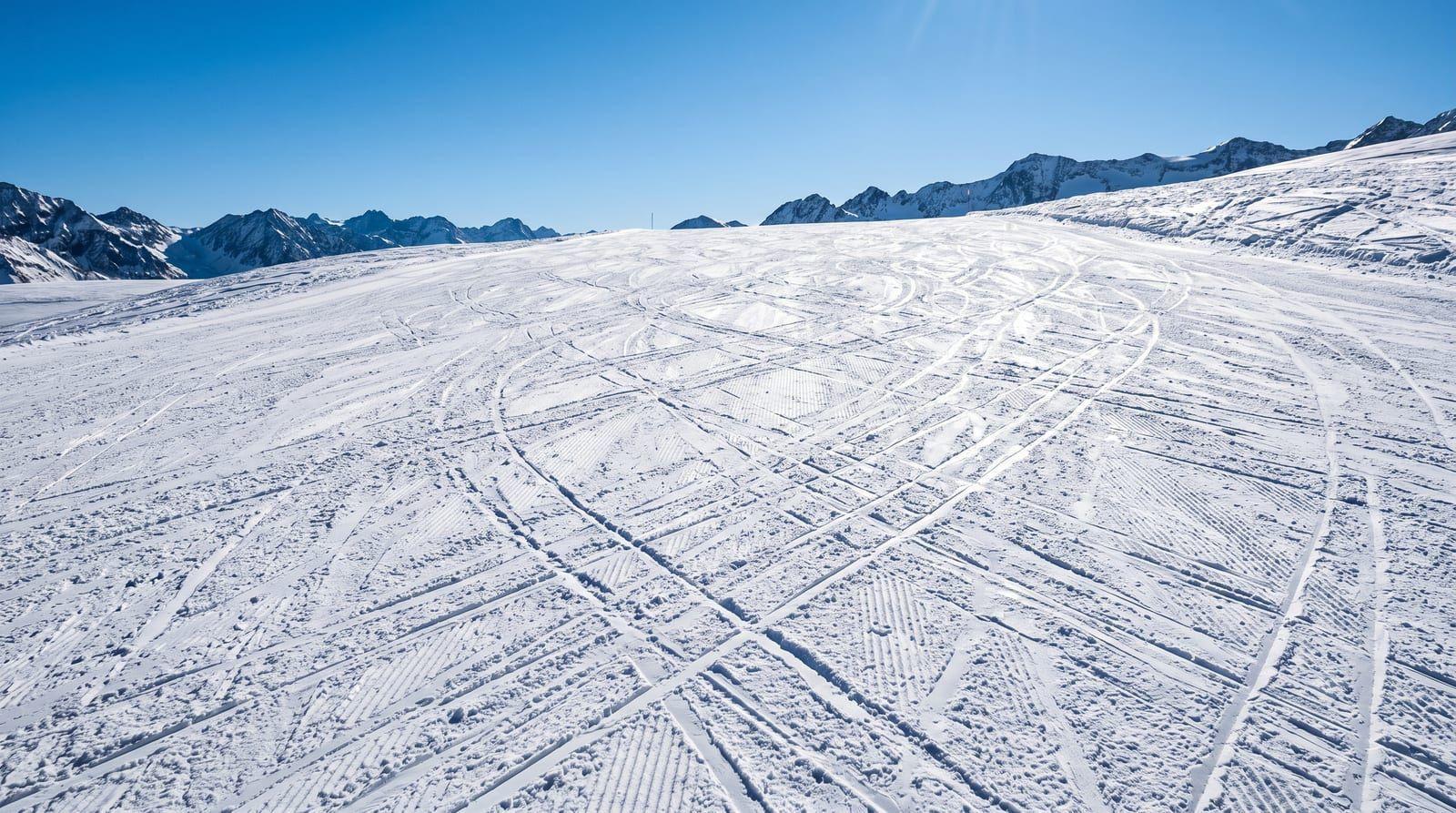
Lift lines and restaurant waits both stretch longer in February than any other month, worth building into the day’s plan rather than expecting January-level ease of movement around the mountain. For a family or a traveler who prioritises reliable conditions over solitude, February remains the single most dependable month of the whole season despite the crowds.
Splitting a February trip across a weekday-heavy stretch rather than a full week including both weekends can meaningfully reduce the crowd impact, since day-tripper traffic from nearby cities concentrates heavily on Saturdays and Sundays even during the busiest school-holiday weeks. A Tuesday-to-Saturday booking, rather than the standard Saturday-to-Saturday week, can shift a stay away from the two busiest days entirely.
March: Sunshine Meets Good Snow
March tends to combine still-solid snow cover with noticeably longer, brighter days, a favorite window among repeat visitors who have already worked out their preferred base and want fewer crowds on the same terrain. Afternoon snow can soften considerably under direct sun, worth factoring into the timing of a ski day rather than assuming morning conditions hold all afternoon.
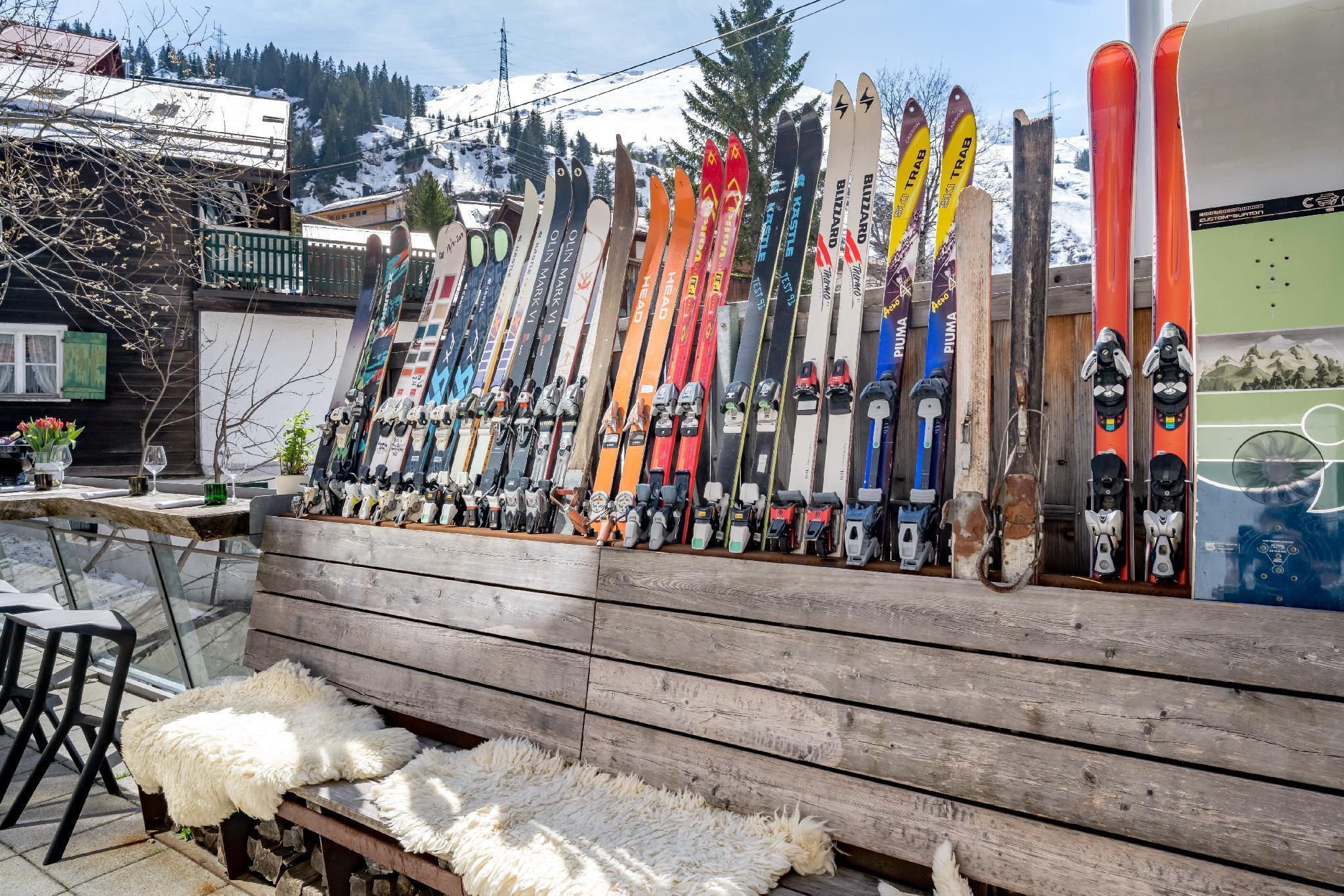
An early-morning start captures the firmest snow of the day before the sun softens it, a pattern worth building into a March itinerary specifically, since the same run can ski completely differently at 9am versus 2pm once the season moves past the coldest months. Terrace lunches and outdoor apres also come into their own this month, genuinely pleasant rather than a cold necessity.
North-facing runs hold their morning firmness longer into the day than south-facing ones during this stretch, worth prioritising for an afternoon session if the goal is avoiding heavily softened snow before the day is done.
April: Quiet Spring Skiing
April is the quietest stretch of the season, with crowds thinning fast after Easter and a genuinely different atmosphere across the whole Arlberg. Snow quality becomes more variable and altitude-dependent this late, so a spring booking benefits from staying close to the higher terrain around Stuben and the Albona rather than lower-elevation slopes that lose coverage first.
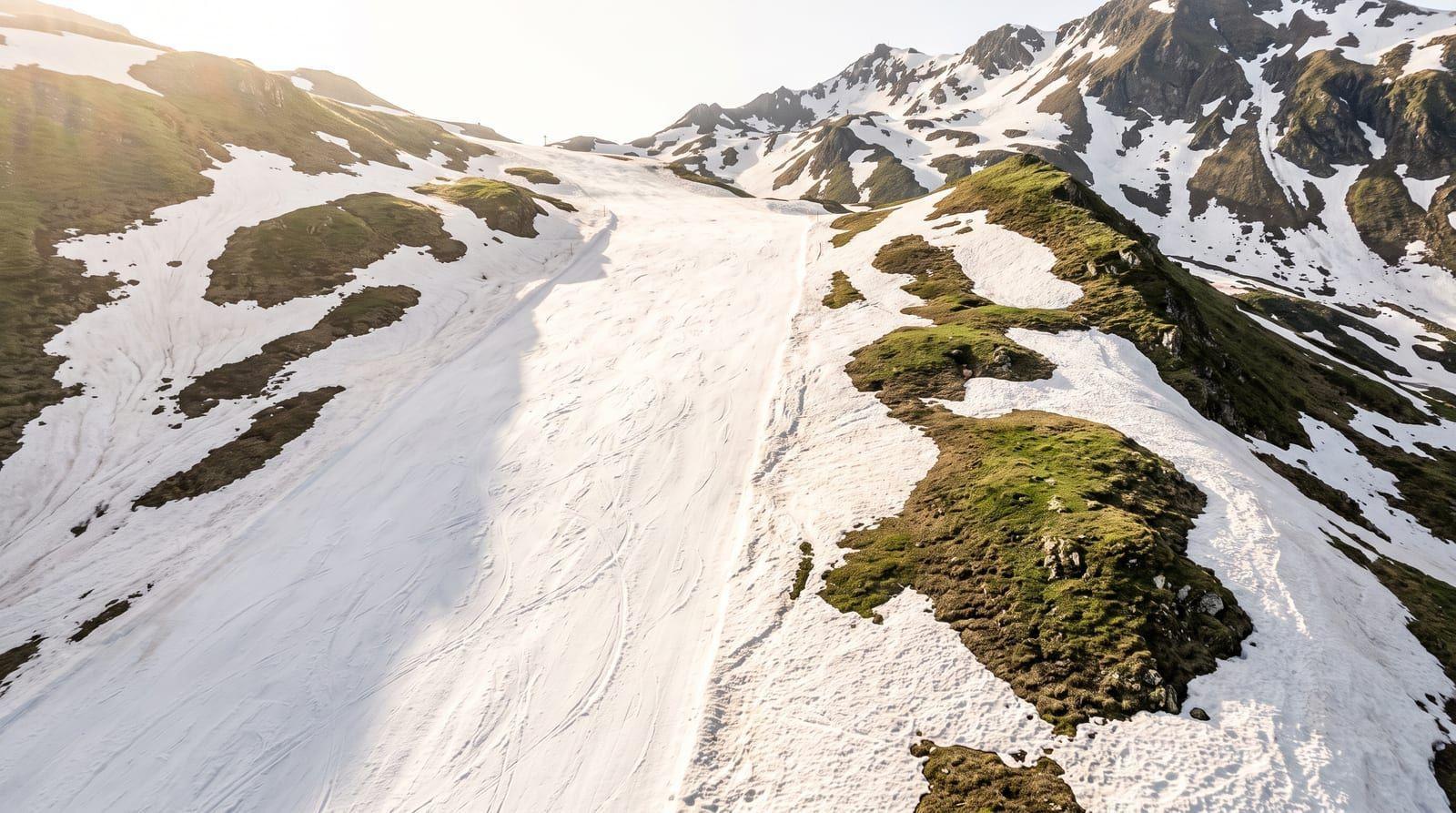
Prices generally drop noticeably in April alongside the shrinking crowds, making it a genuinely appealing window for a traveler prioritising value over guaranteed powder. Anyone specifically asking about the best time to ski Arlberg on a budget should look here first, provided the trade-off of more variable snow is an acceptable one.
The closing weeks of the season also bring a distinct social atmosphere across the village, a mix of celebration and wind-down as staff and repeat visitors alike mark the end of another winter, worth experiencing at least once for anyone who has only visited during the busier core months before this point.
Crowds, Prices & Booking Windows
Prices across the Arlberg follow a fairly predictable curve tied directly to the crowd patterns already covered: the Christmas and New Year weeks and all of February command the highest rates, early December and April sit at the lower end, and January and March fall somewhere in between depending on the specific week.
Lift-queue pressure tracks the crowd calendar closely, so expected wait times shift noticeably month to month:
| Month | Queue level | What to expect |
|---|---|---|
| December (early) | Low | Near-empty lifts, ski straight on |
| December (festive) | High | Holiday spike, 20 Dec–early Jan |
| January | Low–moderate | Quiet weekdays, occasional powder-day bursts |
| February | Very high | Longest lift and restaurant waits of the season |
| March | Moderate | Easier than Feb, busier on sunny weekends |
| April | Low | Quietest of the season, walk-on lifts post-Easter |
Across every month, Saturday–Sunday day-tripper traffic pushes queues well above the weekday norm — a Tuesday-to-Saturday stay sidesteps the two busiest days.
Booking three to six months ahead of any peak week gives meaningfully better odds of finding both a room and current pricing than a same-season search, particularly in a village the size of Stuben where the total bed count is small compared with St Anton or Lech. A last-minute search during February routinely comes up short across the whole village, not just at one or two properties.
For a traveler with genuine flexibility on dates, watching for a last-minute cancellation during a shoulder week, early December or late March specifically, can occasionally turn up a good rate at a property that would otherwise be fully booked months in advance during the core season. This strategy works considerably better with a flexible arrival day than a fixed Saturday-to-Saturday itinerary.
Best Time by Type of Trip
Rather than one universal answer, the right month really depends on what kind of skier is asking. The five profiles below cover most of the reasons a traveler ends up here.
For Powder Seekers
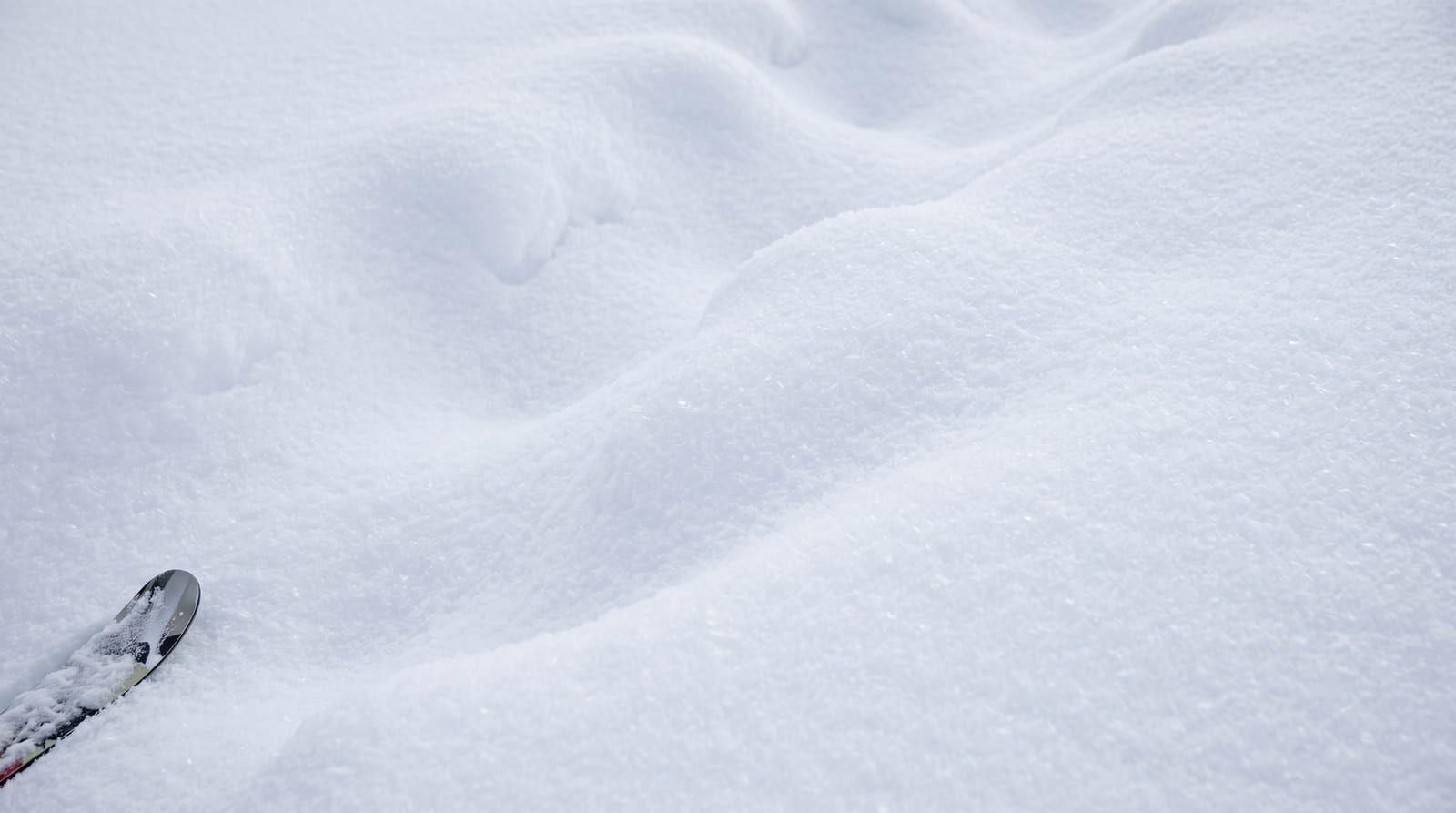
January is the clearest answer for anyone chasing deep, reliably cold powder, with February’s earlier weeks a close second before the peak-week crowds fully arrive.
For Families & Quieter Slopes
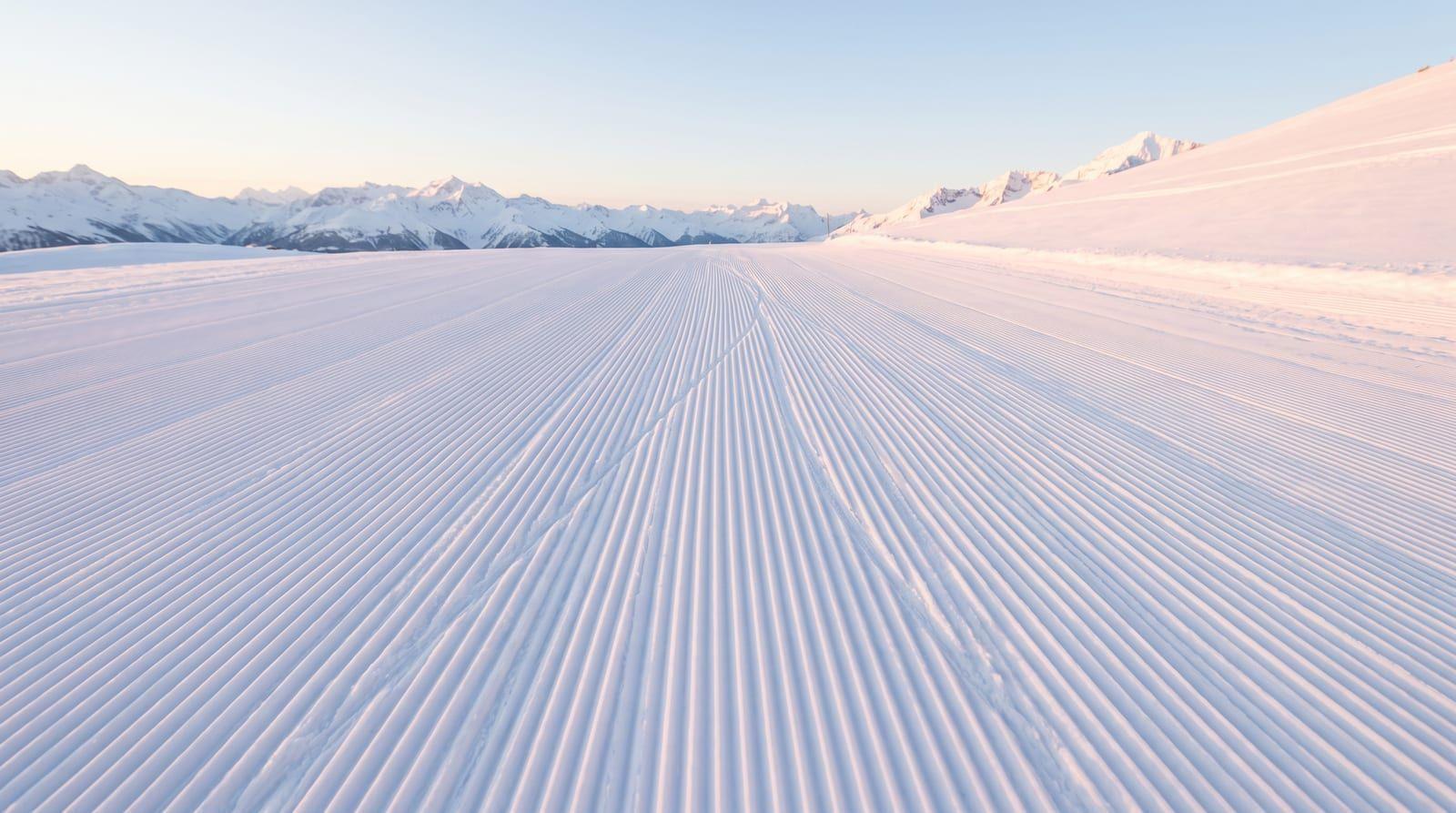
Early December or the tail end of March avoid both the coldest weeks and the heaviest crowds, a genuinely easier window for a family managing young kids on the slopes. Shorter lift queues and less crowded pistes also make it considerably easier to keep track of a young or beginner skier throughout the day.
For Sun & Spring Skiing
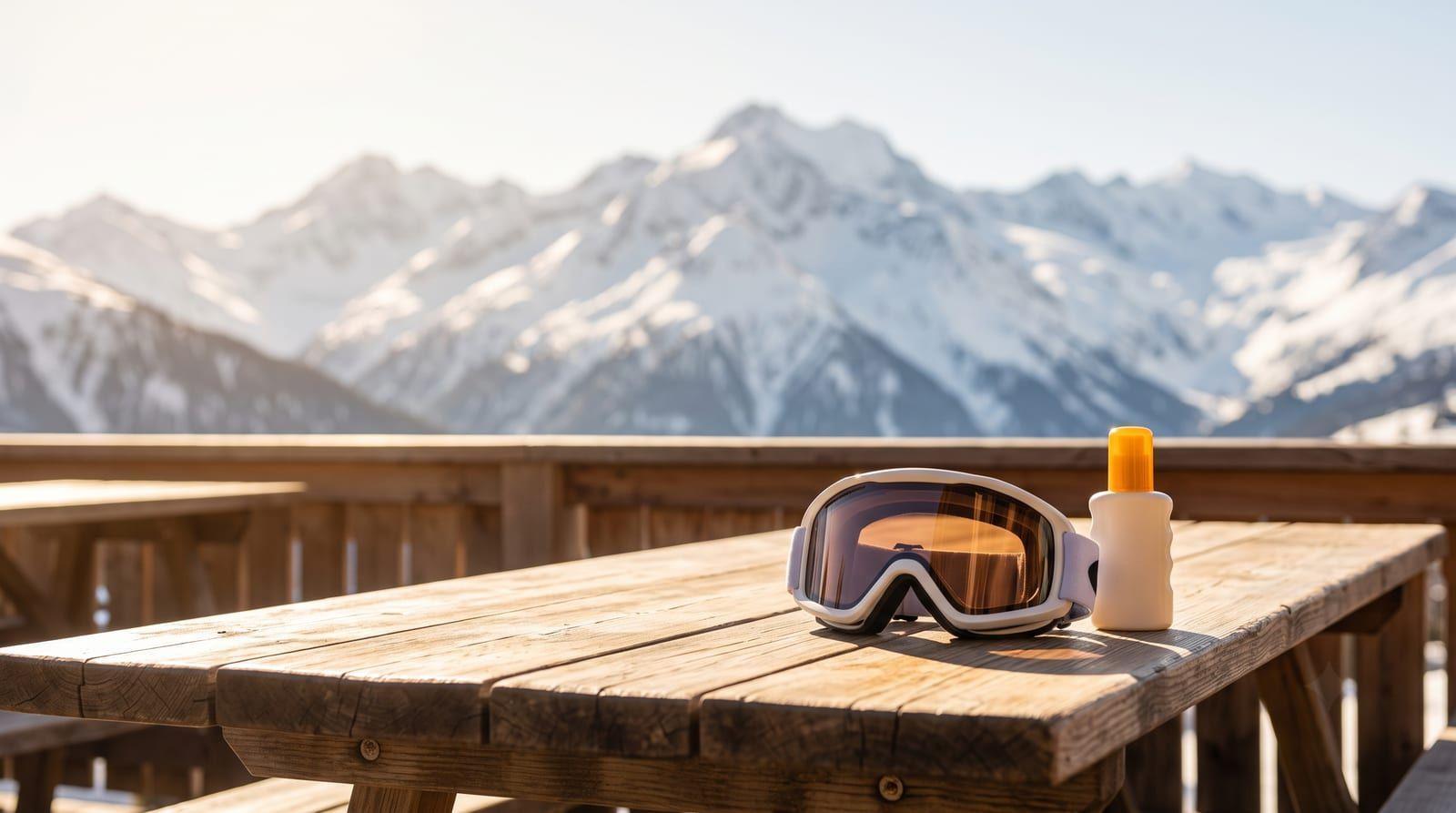
Late March into April rewards a traveler who wants long, bright days on the mountain more than the deepest possible snow, ideal for a lower-key trip built around a slower pace and a sun terrace lunch rather than an all-day powder chase. Sun protection matters more this late in the season than most travelers expect, given the combination of altitude and reflective snow.
For Off-Piste & Freeride Skiers
January through the first half of February typically offers the most reliable off-piste conditions, when the snowpack has had time to build depth and stability without yet softening under stronger spring sun. A guide is strongly recommended for any freeride terrain regardless of month, given how quickly avalanche conditions can shift on the Arlberg’s steeper faces.
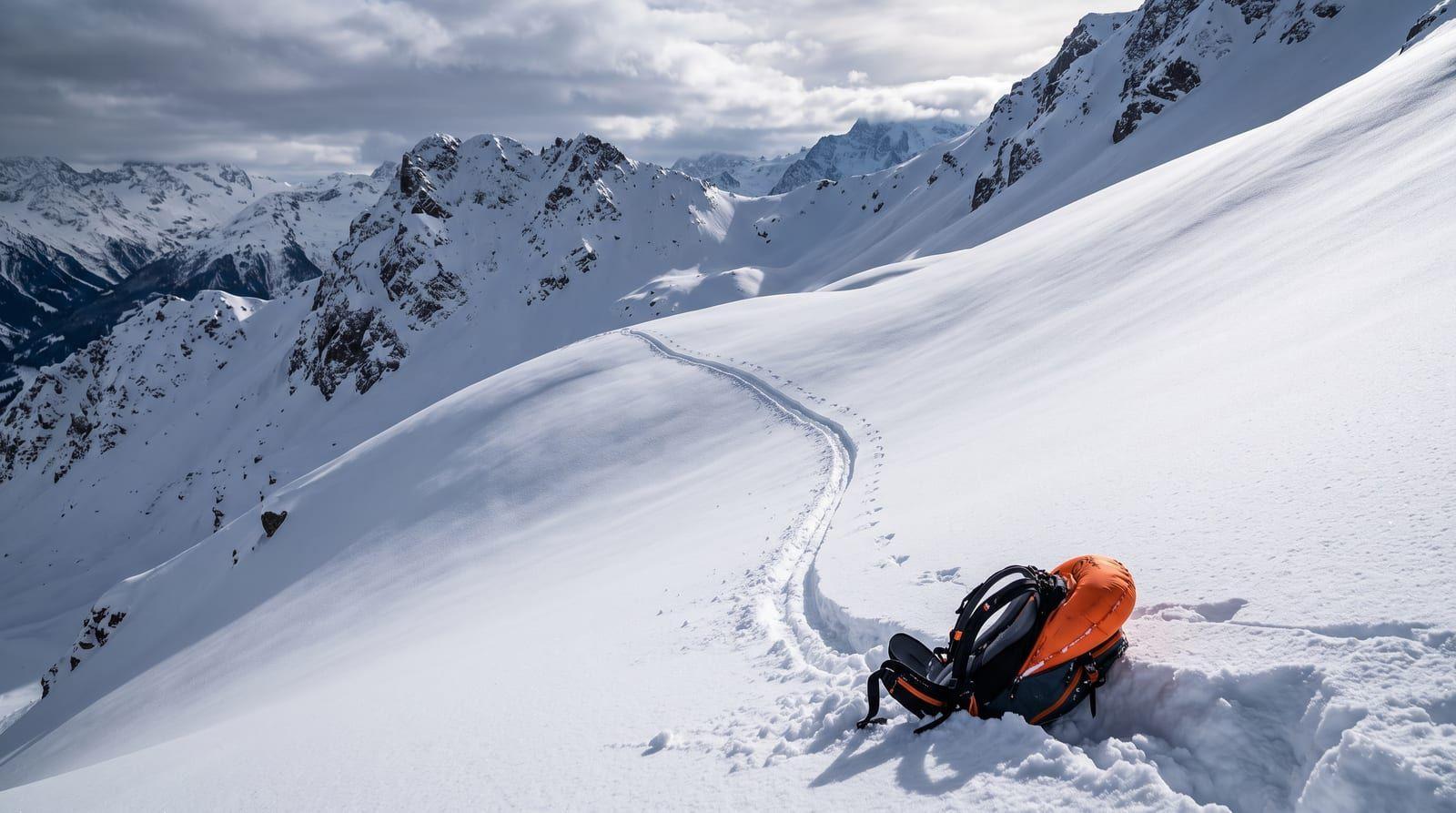
Ski touring and backcountry routes around the Arlberg extend the useful season further into spring than lift-served off-piste terrain does, since a dawn start on foot can still catch firm, stable snow well after resort-adjacent off-piste has softened for the day. Proper avalanche safety equipment and training remain essential regardless of how experienced a given skier feels.
For Value-Conscious Travelers
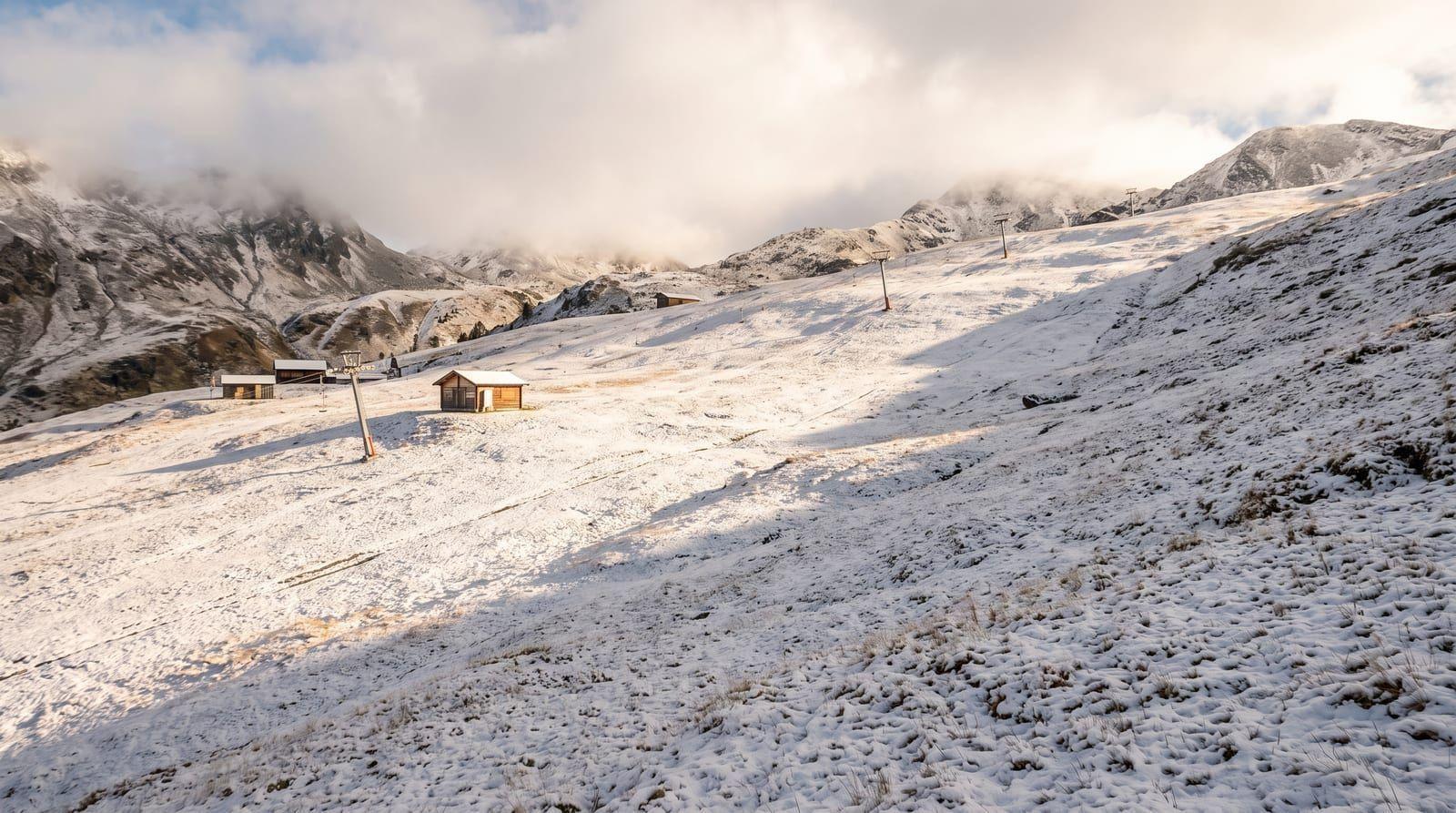
Early December and April both sit well below peak pricing while still delivering genuinely good skiing, making either window the practical answer for anyone asking about the best time to ski Arlberg without paying February’s premium rates. The trade-off is a shorter runway for planning around guaranteed powder, since both months carry somewhat more variable conditions than the core of the season, a reasonable exchange for many budget-conscious travelers.
Why Stuben Holds Snow Well
At 1,400 metres, Stuben sits high enough that its own slopes and the connected Albona lift hold reliable coverage across the full season, less prone to the early and late-season thinning that affects lower-altitude resorts elsewhere in the Alps. That altitude is a genuine part of why the best time to ski Arlberg from a Stuben base runs comfortably wider than a shorter window a lower resort might offer.
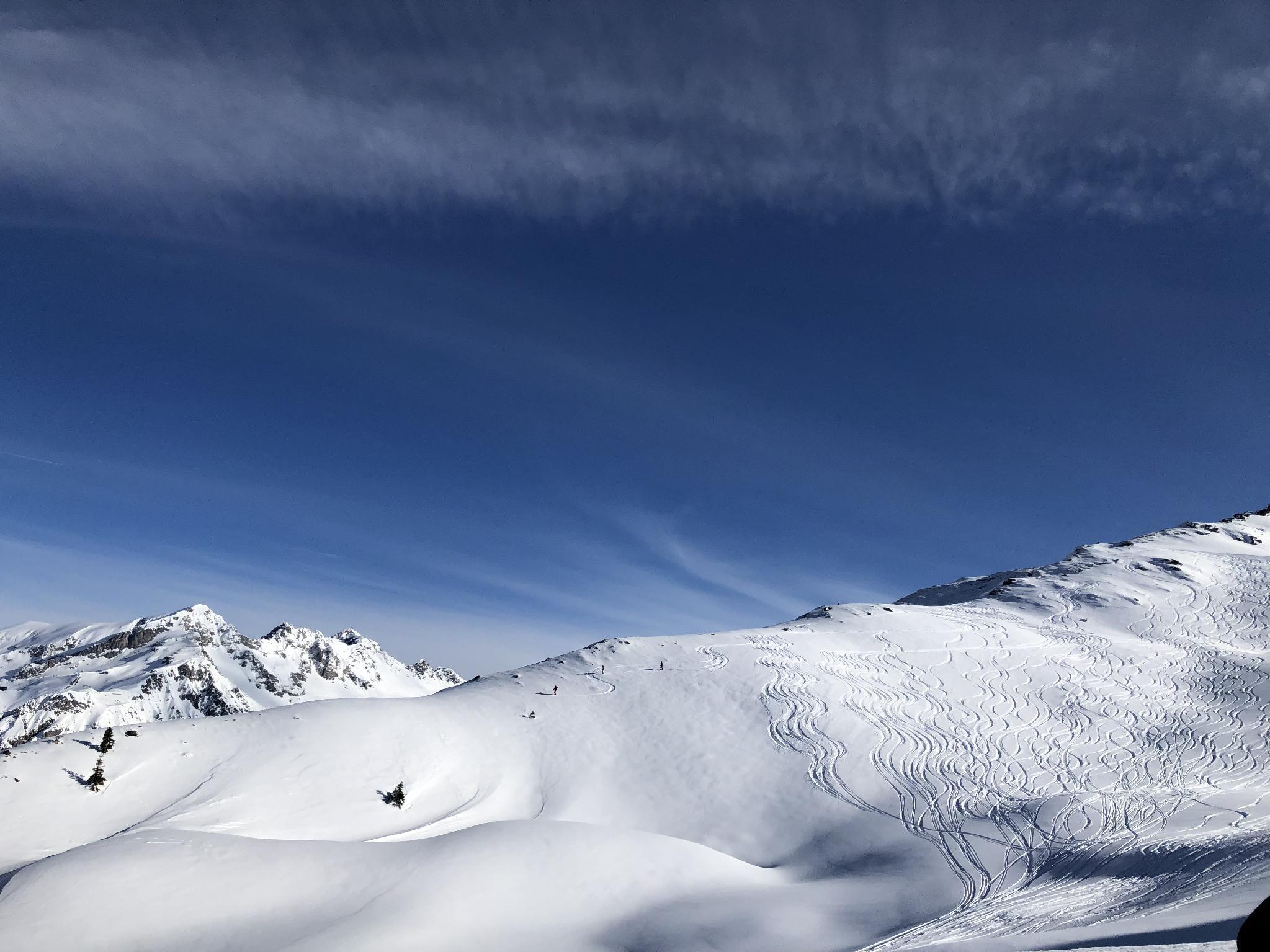
North-facing terrain around the village also helps preserve snow quality later into the afternoon and later into the season than south-facing slopes elsewhere in the region, a detail worth knowing for anyone planning an April trip specifically and wanting to avoid the softest, most sun-affected runs during the warmest part of the day. Knowing which specific runs face which direction is worth asking a local instructor or the hotel concierge about on arrival.
That same north-facing exposure is part of a broader orographic pattern across this side of the range: storm systems moving in from the west lose much of their moisture on the windward slopes before reaching the Arlberg’s more sheltered, north-facing terrain, letting snow accumulate here rather than melting off under direct sun the way south-facing slopes do.
Langen am Arlberg, immediately below Stuben, averages roughly 30% more annual precipitation than St. Anton on the lee side of the massif, a real, measurable snow-total edge for bases on this side of the range.
Weather Patterns Across the Season
Temperatures across the Arlberg follow the expected alpine curve: coldest in January, gradually milder through February and March, and noticeably warmer by April, particularly at lower elevations. Stuben’s 1,400-metre base helps moderate the late-season warming somewhat compared with lower villages, one more reason its own season runs a touch longer than resorts sitting closer to valley floor level.
Average daily temperature ranges across the ski season follow a predictable curve, coldest in January and warming steadily toward April:
| Month | Avg low | Avg high | Feel on the mountain |
|---|---|---|---|
| December | −6 °C | 0 °C | Cold, short days |
| January | −8 °C | −1 °C | Coldest; layer up for morning starts |
| February | −7 °C | 3 °C | Cold but brightening, longer days |
| March | −3 °C | 8 °C | Mild sun, softens by afternoon |
| April | 0 °C | 11 °C | Spring warmth, firm mornings only |
Based on valley-level averages (~1,300 m); expect a few degrees colder on the higher Stuben and Albona terrain, and colder still on exposed ridges and high chairlifts.
Wind exposure varies considerably by specific slope and lift line across the region, and a genuinely cold but calm day can feel more comfortable on the mountain than a milder but windier one, a distinction worth checking in a same-day forecast rather than relying purely on the temperature reading alone. Exposed ridge lines and high chairlifts feel this effect most acutely.
Storm cycles are genuinely unpredictable week to week regardless of month, so even within a generally reliable stretch like January, a specific week can occasionally underperform while a supposedly weaker month like April delivers an unexpected dump. Checking short-range forecasts closer to a trip, rather than relying purely on historical monthly averages, still matters for fine-tuning exact dates within whichever broader window a traveler has already chosen.
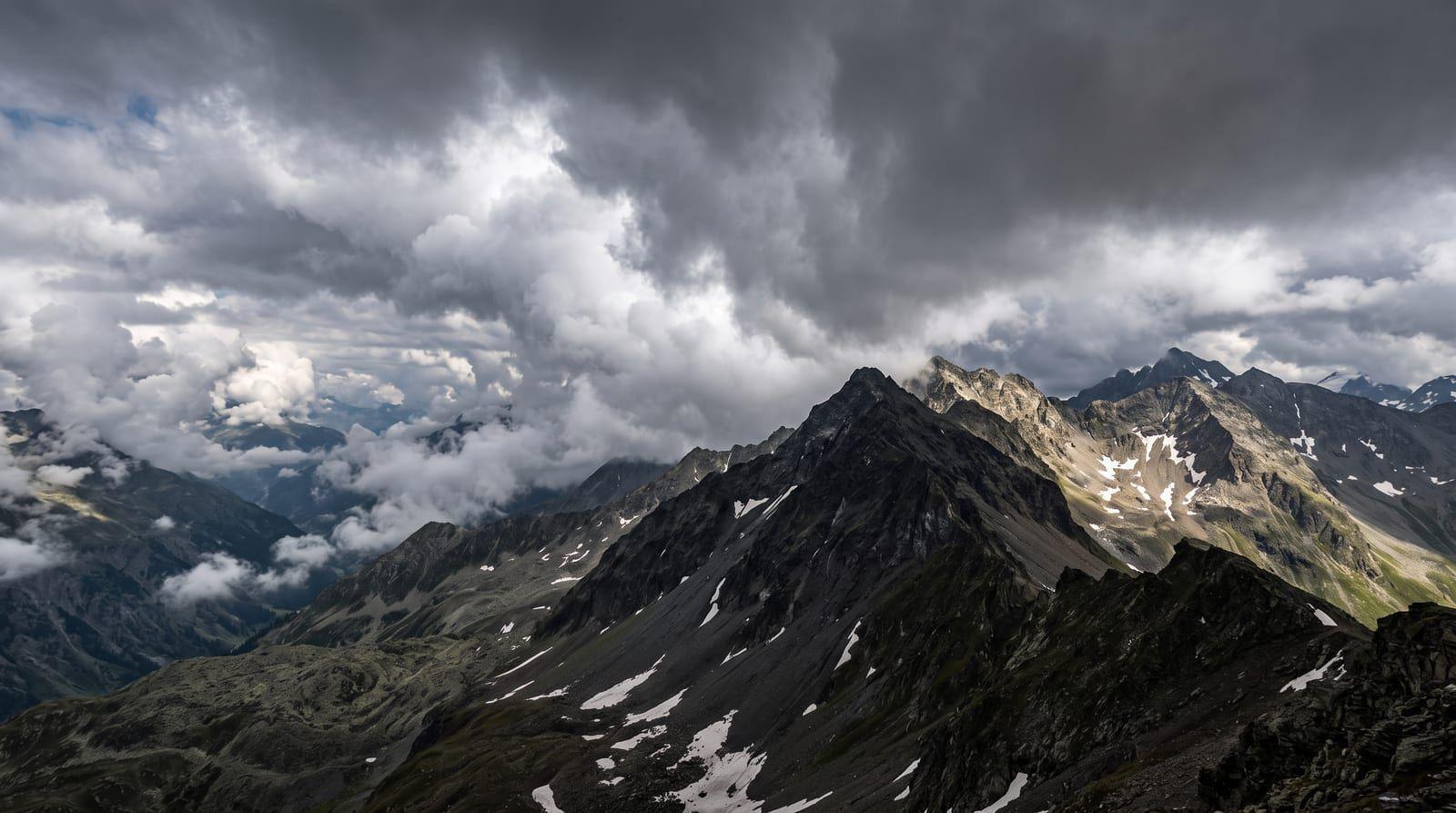
Historical snow data is still worth consulting when picking a broad window months in advance, even knowing any single year can deviate from the average, since it establishes a reasonable baseline expectation to plan travel dates and equipment around before short-range forecasts become useful closer to departure. Multiple independent sources rather than a single forecast provider tend to give a more balanced overall picture.
Timing a Trip Around Village Events
Beyond pure snow conditions, the village calendar adds another layer worth factoring into the best time to ski Arlberg question specifically for Stuben. The Longboard Classics, a retro snowboard race tied to the season’s closing weeks, draws a specific crowd interested in that culture rather than pure powder.

The Mondschein Club runs an electronic-music evening every Friday from 21:30 to 2am, December through April, giving late-season and mid-season visitors alike a consistent nightlife anchor.
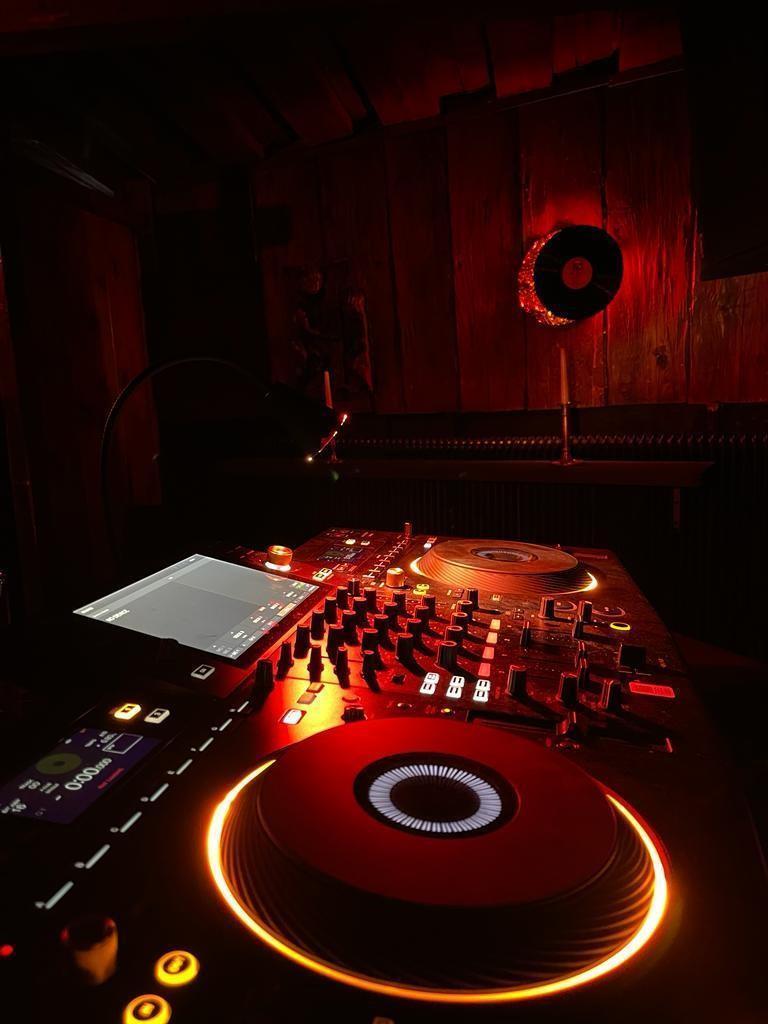
A traveler indifferent to nightlife or retro race culture can safely ignore both when picking dates, but for anyone specifically drawn to either, checking the exact calendar for a given season before booking is the only reliable way to align travel dates with a specific event rather than assuming it lines up by coincidence with the rest of the trip.
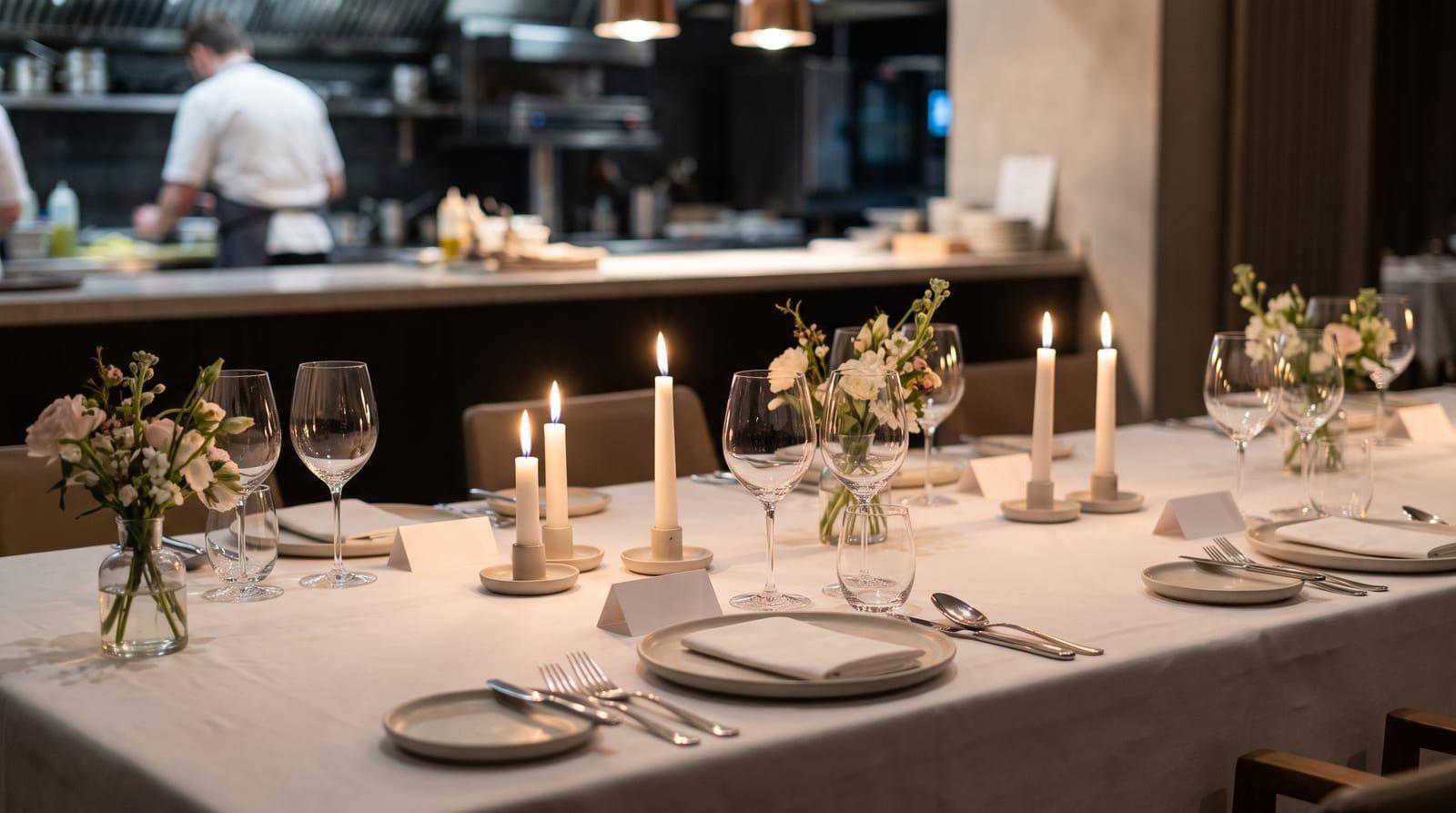
Chef’s Night Arlberg and similar guest-chef dinner events run as one-off dates within the season rather than a fixed weekly slot, so a traveler specifically hoping to catch one should check the current season’s calendar directly before locking in travel dates, since these are genuinely per-instance events rather than something guaranteed on any given week.
Weekly DJ nights at the Mondschein Club run every Friday throughout the season with a rotating lineup, which gives a more reliable anchor for anyone planning a nightlife-inclusive trip than the one-off guest-chef dinners, though the specific DJ and theme still change week to week and are worth checking closer to the actual travel dates.
Where to Stay for the Ski Season
One property in the village covers the full width of the season, from the coldest January week to the quietest one in April. What follows is worth knowing before locking in dates.
Mondschein Hotel & Chalet
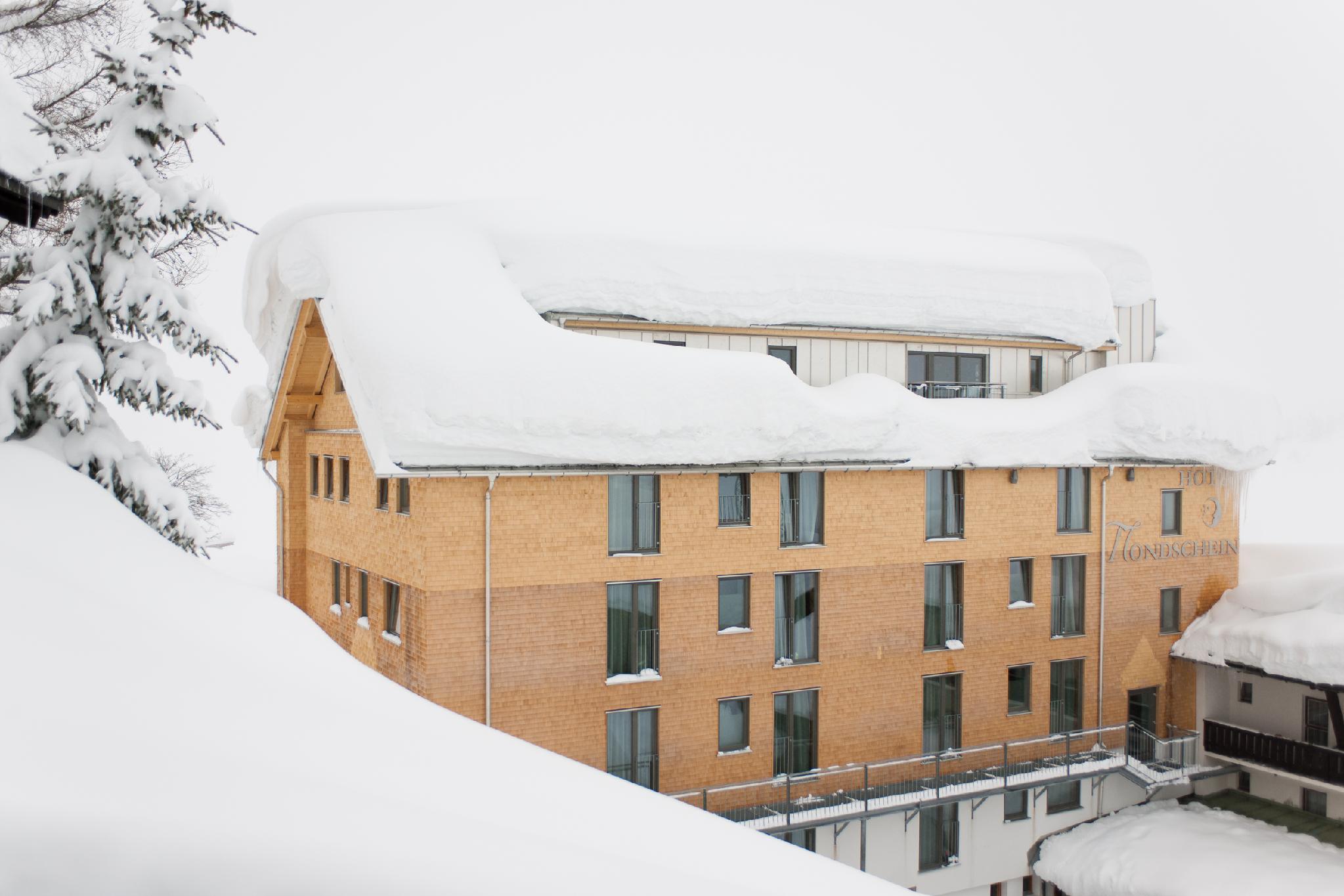
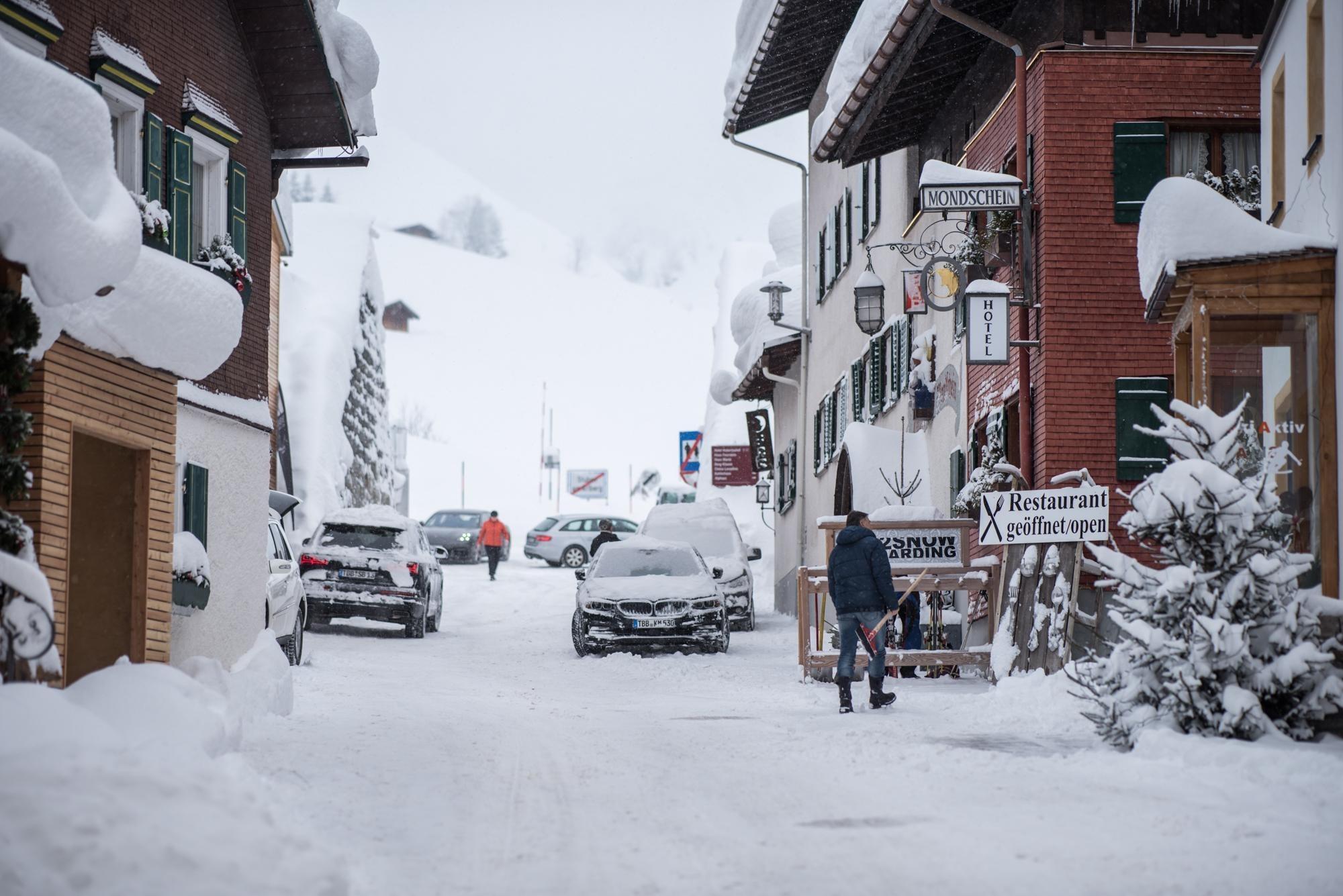
Mondschein Hotel & Chalet sits a 3-minute walk to the slopes in Stuben’s village center, with Chalet Mondschein’s private suites offering direct slope access a short uphill walk away.
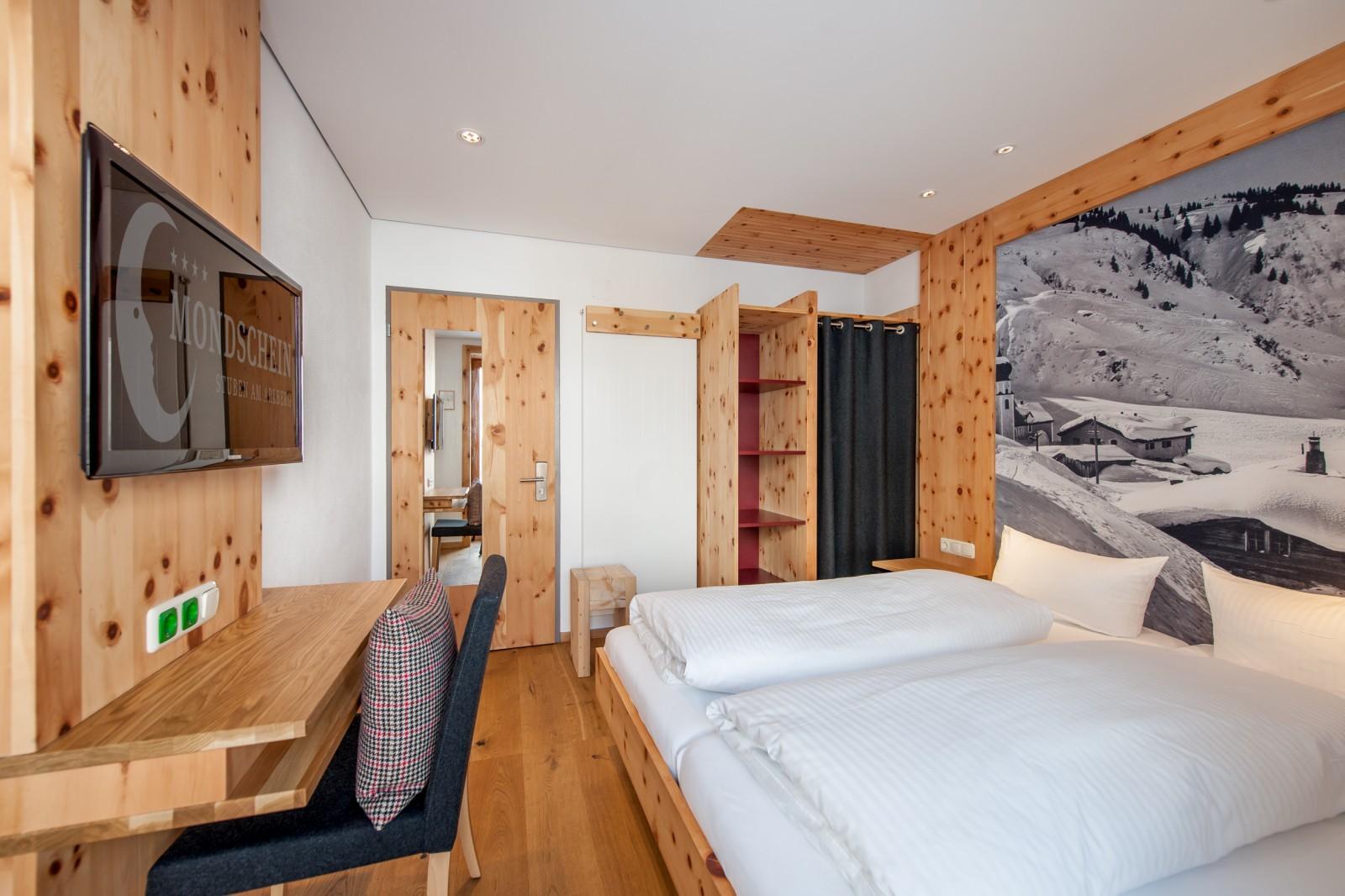
The Smart Double is the entry-level pick for a traveler timing an early-December or April trip around value rather than peak-week powder, a straightforward double room without the premium view or wellness upgrades of the hotel’s other categories.
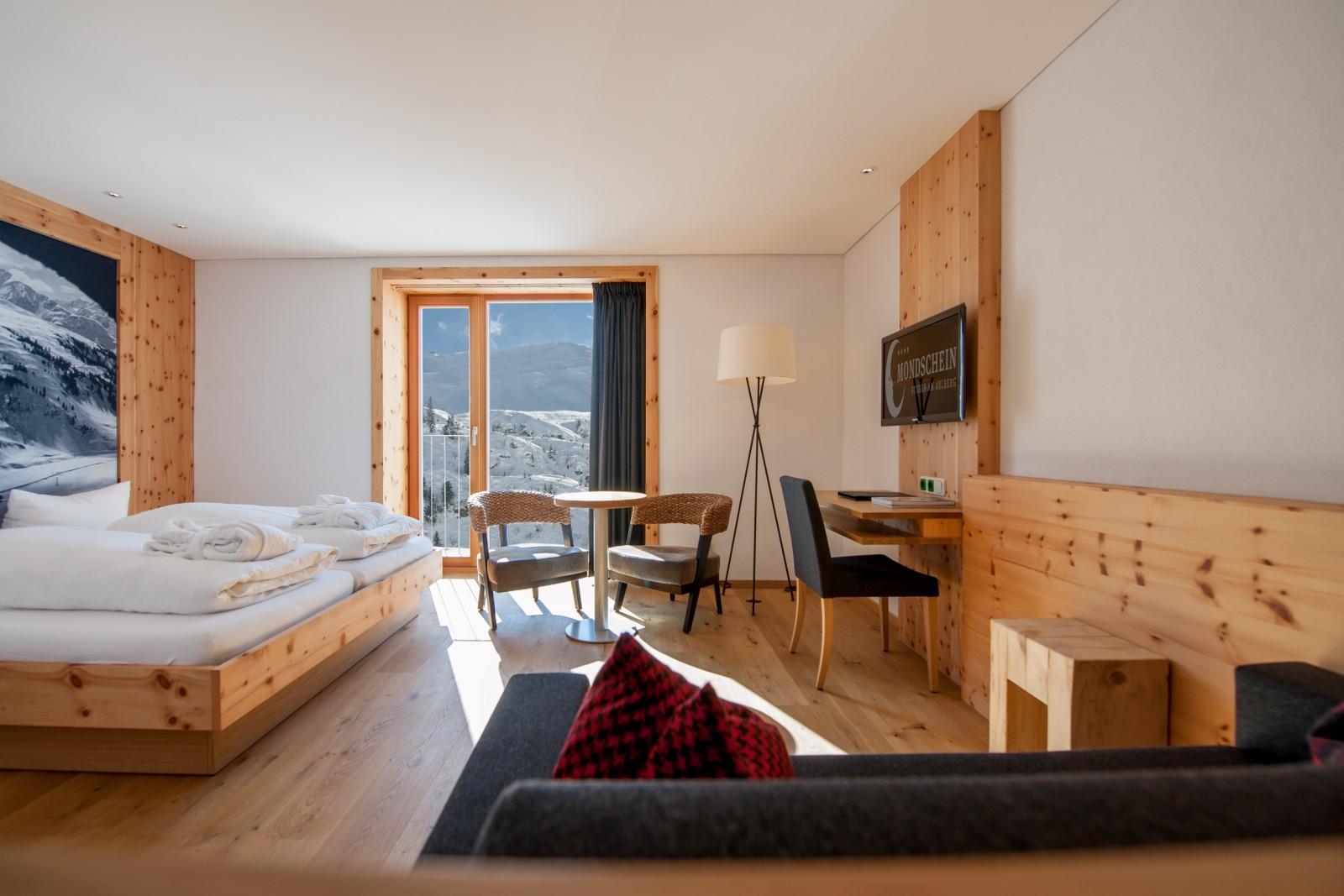
The Panorama Triple suits a small group chasing January’s cold snow together, floor-to-ceiling windows over the Albona included, enough space for three guests without splitting into two separate rooms.
Checking the hotel’s own EPIC Pass Package before booking either room is worth doing for anyone already holding an Epic Pass for the season.
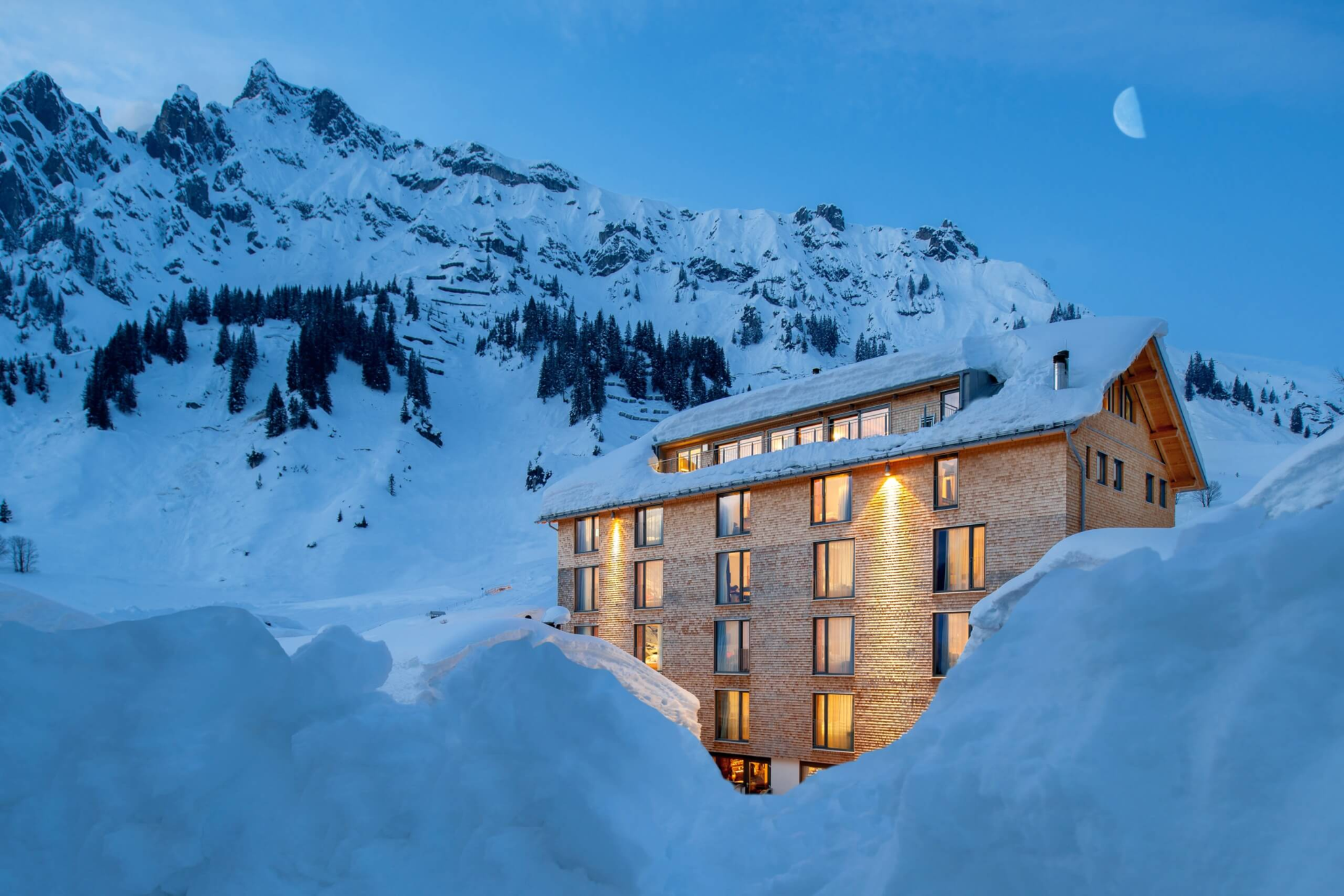
Both work across the full season, though the smaller-footprint suites and the eight-seat Chef’s Table fill fastest during January and February specifically, worth booking three to six months ahead for those peak weeks.
For a shoulder-season visit, early December or April, availability generally holds later into the booking window than the core months, giving a bit more flexibility for a traveler still deciding on exact dates.

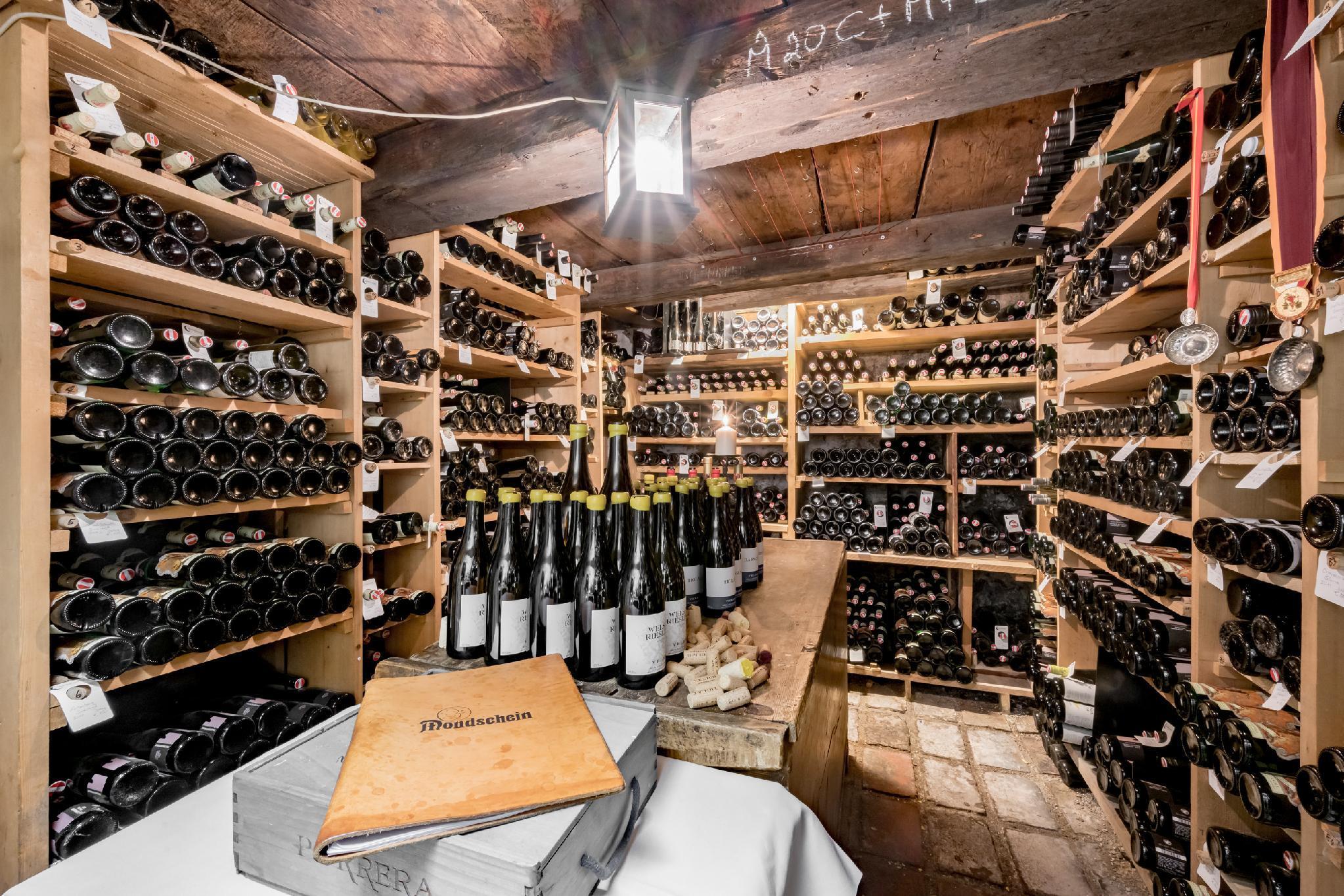
The hotel’s own dining and wine cellar programming runs through the full season regardless of month, so a shoulder-season stay does not mean a reduced experience on that front.
The historic Alte Gaststube’s fondue nights and Big Green Egg Sundays also run consistently throughout the season, giving a shoulder-season guest access to the same dining identity that defines a peak-week stay, just without the crowds competing for the same table.
Conclusion
The best time to ski Arlberg genuinely depends on what the trip is optimizing for: January for the deepest, coldest powder, February for peak conditions balanced against the heaviest crowds, March for sunshine paired with still-solid snow, and April for a quieter, slower-paced close to the season.
Whichever window fits, reach out to Mondschein Hotel & Chalet directly to check availability, particularly for January and February dates, which book out furthest ahead of any stretch of the season, well before the rest of the calendar starts filling up in earnest.
Frequently Asked Questions
When is the best month to ski the Arlberg?
January generally offers the single best overall combination of reliable snowfall and cold, stable conditions, though February’s earlier weeks and March’s sunnier days each have their own genuine appeal depending on priorities. There is no single universally correct answer, only the best fit for a given traveler’s specific goals.
When does the Arlberg ski season start and end?
The 2026/27 season runs from Wednesday, 2 December 2026 through Sunday, 18 April 2027, though exact dates can shift slightly year to year based on snowfall and lift maintenance. Confirming current-year dates directly before booking is worth doing, particularly for a trip planned right at the start or end of the season.
Is April too late to ski in Stuben?
No, though conditions become more variable and altitude-dependent. Stuben’s 1,400-metre elevation and the higher terrain around the Albona lift hold snow better into April than lower-altitude resorts elsewhere in the Alps, making it one of the more reliable late-season bases in the region.
Which month has the best snow for beginners?
December and early January generally suit beginners well, with softer crowds than February and still-reliable snow coverage, though very early December can occasionally see thinner conditions before the season fully establishes. A beginner-focused trip benefits more from softer crowds and gentler pacing than from the absolute deepest powder January offers.
Is February very crowded in the Arlberg?
Yes. February holds the heaviest crowds of the season due to overlapping school holidays across multiple European countries, and booking well ahead, three to six months, matters more for this month than any other. Lift lines and restaurant waits both run noticeably longer than the rest of the season, so planning around that reality in advance makes for a smoother trip overall.