The Heart of Alpine Dessert Culture
In the Alps, food is closely tied to comfort, warmth, and tradition. After a long day in the mountains, whether skiing, hiking, or simply enjoying alpine air, dessert is more than a sweet ending. It is a moment of reward and togetherness. No dish represents this feeling better than Kaiserschmarren.
Kaiserschmarren is not just a dessert. It is a cultural symbol that reflects the history, hospitality, and simple pleasures of alpine life. Found in mountain huts and refined dining rooms alike, it bridges rustic tradition and culinary pride.
What Is Kaiserschmarren
At its core, Kaiserschmarren is a light, fluffy pancake that is torn into pieces, caramelized gently, and served warm. It is traditionally accompanied by powdered sugar and fruit compote, most often plum or apple.
What makes Kaiserschmarren special is its texture. The outside is lightly crisp, while the inside remains soft and airy. The balance between sweetness, warmth, and richness makes it deeply satisfying without feeling heavy.
The Origins of Kaiserschmarren
The name Kaiserschmarren translates loosely to “the Emperor’s mess.” According to legend, the dish was created for Emperor Franz Joseph I of Austria. Whether by accident or intention, the torn pancake was said to have delighted the Emperor, giving the dessert its royal association.
Over time, Kaiserschmarren moved beyond the imperial court and became a staple of alpine cuisine. Mountain farmers, innkeepers, and families embraced it for its simple ingredients and nourishing qualities. Today, it is enjoyed across Austria and far beyond.
Why Kaiserschmarren Became a Mountain Favorite
Life in the mountains has always required food that provides energy, warmth, and comfort. Kaiserschmarren fits this need well.
Made from eggs, flour, milk, sugar, and butter, it offers both richness and lightness. It can be prepared easily in mountain kitchens and shared among friends or family. Its warmth and sweetness make it especially appealing after time spent in cold alpine conditions.
This practicality, combined with rich flavor, helped Kaiserschmarren become a beloved staple in alpine regions.
The Importance of Technique
Although Kaiserschmarren appears simple, mastering it requires skill. The batter must be mixed carefully to avoid heaviness. Eggs are often separated, with egg whites whipped to create volume and lightness.
Cooking requires patience. The pancake must cook evenly without burning, then be torn at just the right moment. Gentle caramelization adds depth without overpowering the delicate interior.
This attention to technique is why great Kaiserschmarren stands out from an average one.
Kaiserschmarren in Mountain Huts

For many visitors, their first Kaiserschmarren experience happens in a mountain hut. After hours of skiing or hiking, sitting at a wooden table with a warm plate of Kaiserschmarren feels deeply rewarding.
In this setting, the dessert is often served generously and meant to be shared. Conversations slow, laughter flows, and the dish becomes part of the mountain memory.
The simplicity of hut style Kaiserschmarren reflects alpine life at its most authentic.
From Rustic to Refined
While Kaiserschmarren remains rooted in tradition, it has also found its place in refined alpine dining. Skilled chefs refine the dish by focusing on quality ingredients and precise technique.
Better butter, fresh eggs, and carefully prepared compotes enhance flavor without changing the soul of the dish. Presentation may become more elegant, but the essence remains the same.
This evolution shows how alpine cuisine can honor tradition while embracing refinement.
The Role of Kaiserschmarren in Alpine Hospitality
In the Alps, hospitality is about making guests feel welcome and cared for. Kaiserschmarren embodies this spirit. It is often offered as a gesture of generosity and comfort rather than formality.
Sharing Kaiserschmarren creates connection. It invites guests to slow down, enjoy the moment, and feel part of the alpine rhythm. This emotional aspect is one reason why the dish remains so cherished.
Seasonal Variations and Pairings
Although Kaiserschmarren is enjoyed year round, it feels especially at home in winter. Cold temperatures heighten the pleasure of warm, sweet dishes.
Fruit accompaniments change with the seasons. Plum compote is classic, but apple, pear, or berry variations also appear. Some versions include raisins soaked in rum, adding subtle warmth and aroma.
These variations keep the dish interesting while respecting tradition.
Why Kaiserschmarren Appeals to All Ages
One of the strengths of Kaiserschmarren is its universal appeal. Children love its sweetness and soft texture. Adults appreciate its nostalgic comfort and satisfying richness.
It is a dessert that brings generations together at the table. Whether shared among friends or enjoyed as a family treat, it creates a sense of familiarity and joy.
Kaiserschmarren as a Memory Maker
For many travelers, Kaiserschmarren becomes tied to specific moments. A snowy afternoon, a sunny mountain terrace, or a quiet evening in an alpine village.
These associations give the dish emotional weight. Long after the holiday ends, the memory of Kaiserschmarren often brings back the feeling of warmth, relaxation, and alpine charm.
Why It Remains Timeless
Food trends change, but Kaiserschmarren remains timeless. Its success lies in its honesty. It does not try to be complex or fashionable. It focuses on comfort, balance, and quality.
In a world that often moves too fast, Kaiserschmarren invites people to pause and enjoy something simple and deeply satisfying.
Conclusion
Kaiserschmarren is more than the Alps’ most beloved dessert. It is a symbol of alpine culture, hospitality, and comfort. From mountain huts to refined dining rooms, it continues to delight guests of all ages.
Its lasting popularity proves that great food does not need to be complicated. When prepared with care and respect for tradition, even the simplest dessert can become memorable.
FAQs
1. What is Kaiserschmarren made of?
It is made from eggs, flour, milk, sugar, butter, and often served with fruit compote.
2. Why is Kaiserschmarren associated with the Alps?
It became popular in alpine regions due to its warmth, energy, and simple ingredients.
3. Is Kaiserschmarren a dessert or a main dish?
Traditionally it can be either, especially in mountain huts where portions are generous.
4. What makes a good Kaiserschmarren?
Light texture, gentle caramelization, and balanced sweetness are key.
5. Is Kaiserschmarren served all year?
Yes, but it is especially popular during winter and ski season.
6. What is the traditional accompaniment?
Plum compote is the most classic pairing.
7. Do modern chefs change the recipe?
They refine technique and ingredients while respecting tradition.
8. Can children enjoy Kaiserschmarren?
Yes, it is loved by children for its soft texture and sweetness.
9. Is Kaiserschmarren difficult to prepare?
It appears simple, but achieving the right texture requires skill.
10. Why do travelers remember Kaiserschmarren so fondly?
Because it is tied to comfort, warmth, and memorable alpine moments.
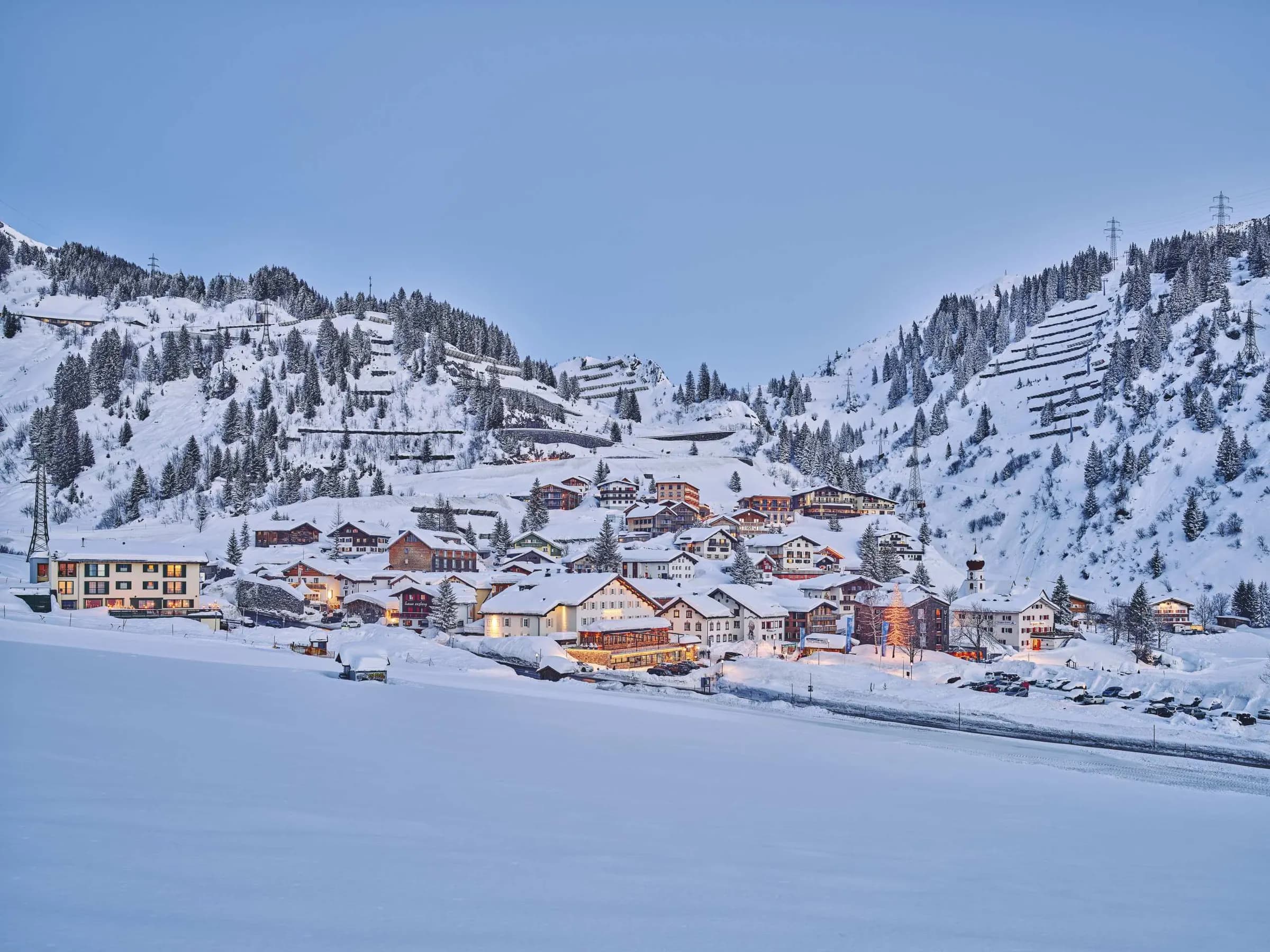 Photo: Stuben Tourismus