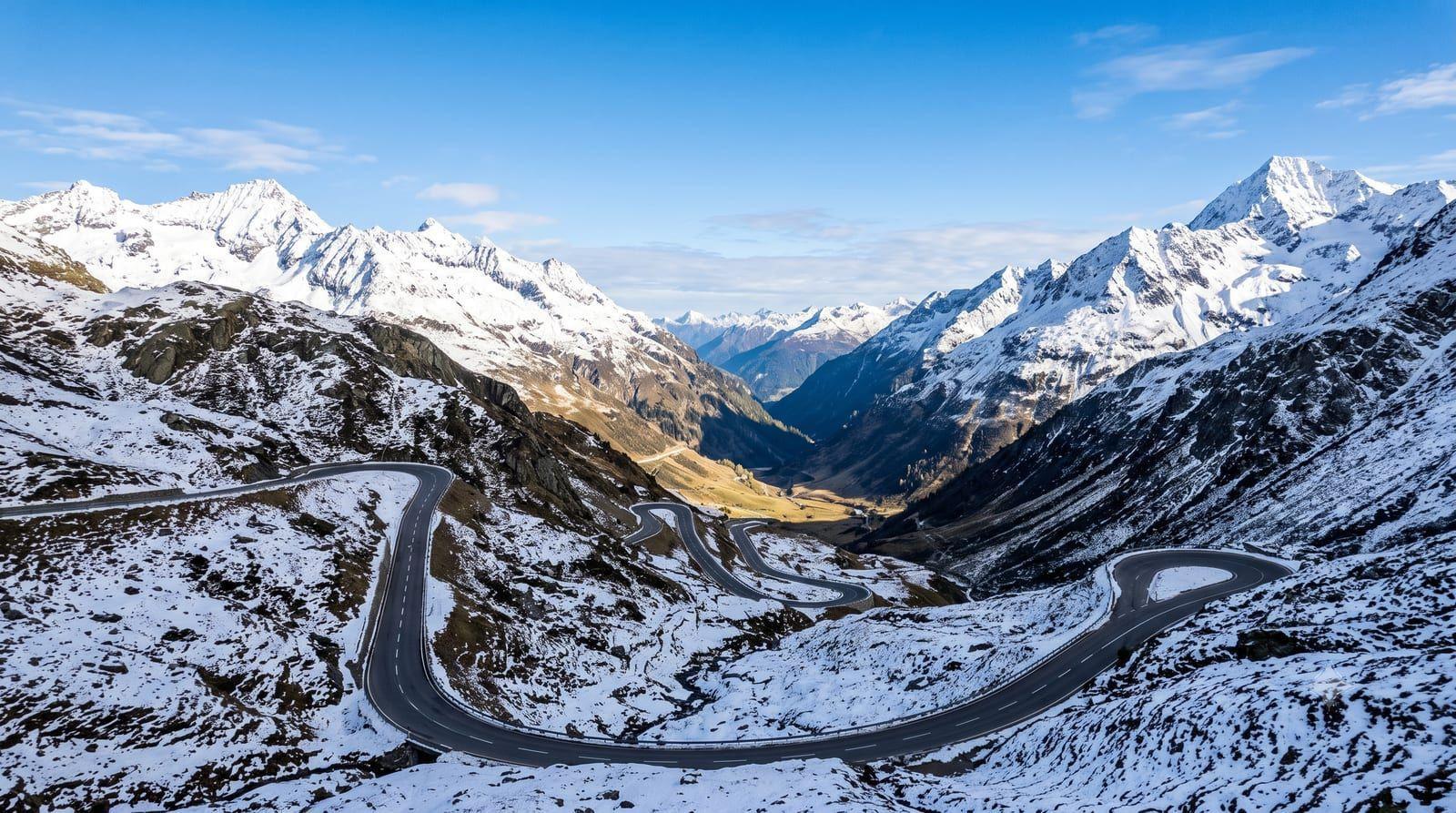
Working out exactly how to get to Stuben am Arlberg trips up more first-time visitors than it really should, mostly because the village sits at the literal high point of a mountain pass rather than somewhere with its own airport or an obvious single gateway city. In practice, reaching it is more straightforward than that setting suggests, with four genuinely workable routes depending on where a trip starts.
This guide covers each option honestly, including which one actually makes sense for a given starting point, rather than defaulting to whichever route sounds most convenient.
Why the Arlberg Pass Shapes Every Route Here
Every option covered in this guide, air, rail, or road, eventually funnels through or near the same mountain pass, since Stuben sits at its literal high point. That geography is why a route that looks slightly longer on a map, Munich over Innsbruck, for instance, can sometimes be the more reliable choice: more of the journey runs on major, well-maintained roads and less of it depends on the final alpine stretch.
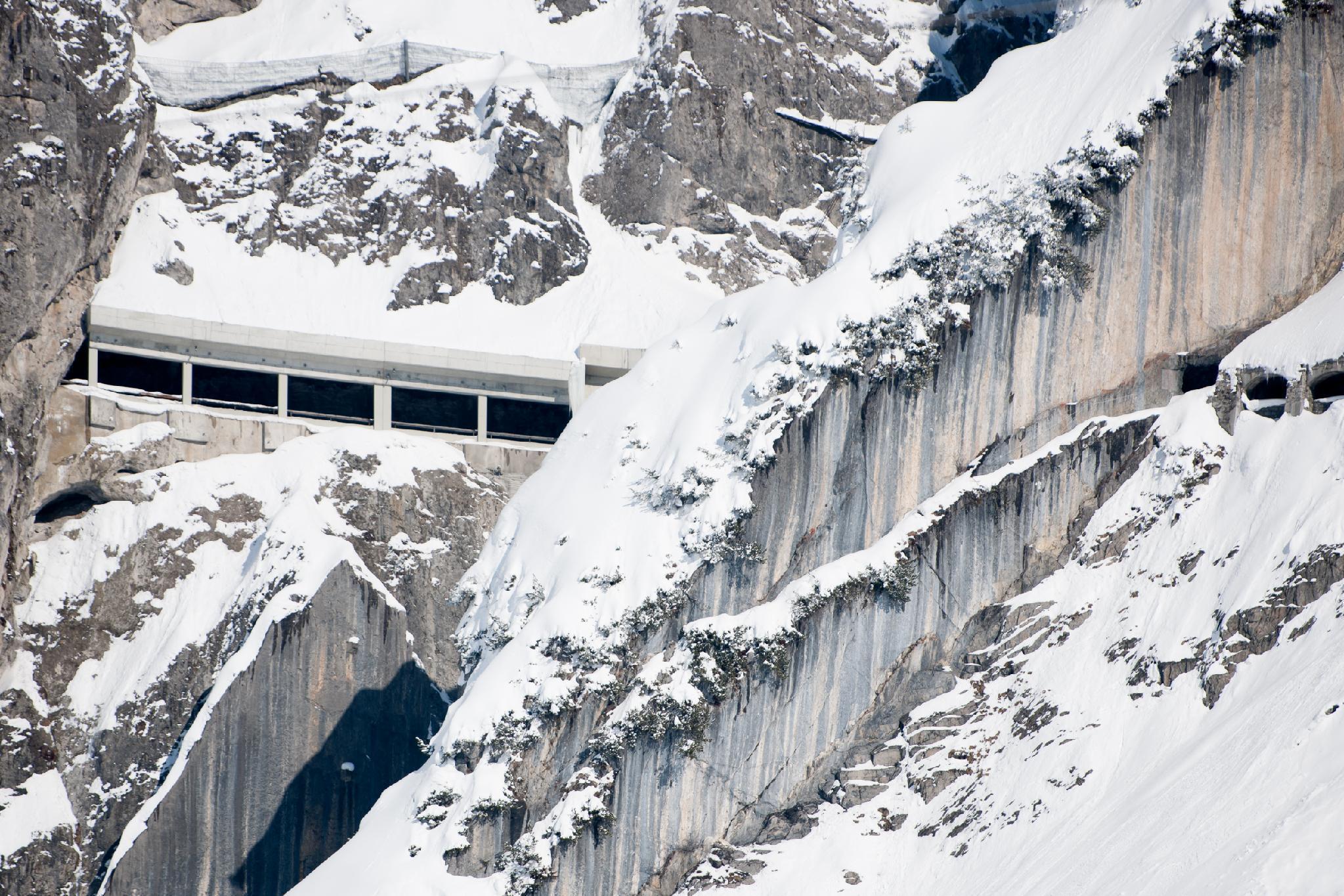
Understanding this before booking flights changes how a traveler should think about how to get to Stuben am Arlberg. The closest airport is not automatically the easiest one if the connecting flights are worse, or if the final transfer from a slightly further airport turns out to run on better roads.
Where Is Stuben am Arlberg?
Stuben sits at 1,400 metres in the Arlberg region, on the Vorarlberg side of the Arlberg Pass, part of the municipality of Klosterle am Arlberg. It marks the literal high point of the S16 Arlberg Expressway’s winter route between Vorarlberg and Tyrol, which is exactly why understanding how to get to Stuben am Arlberg means understanding the pass itself, not just picking a nearby city and driving.
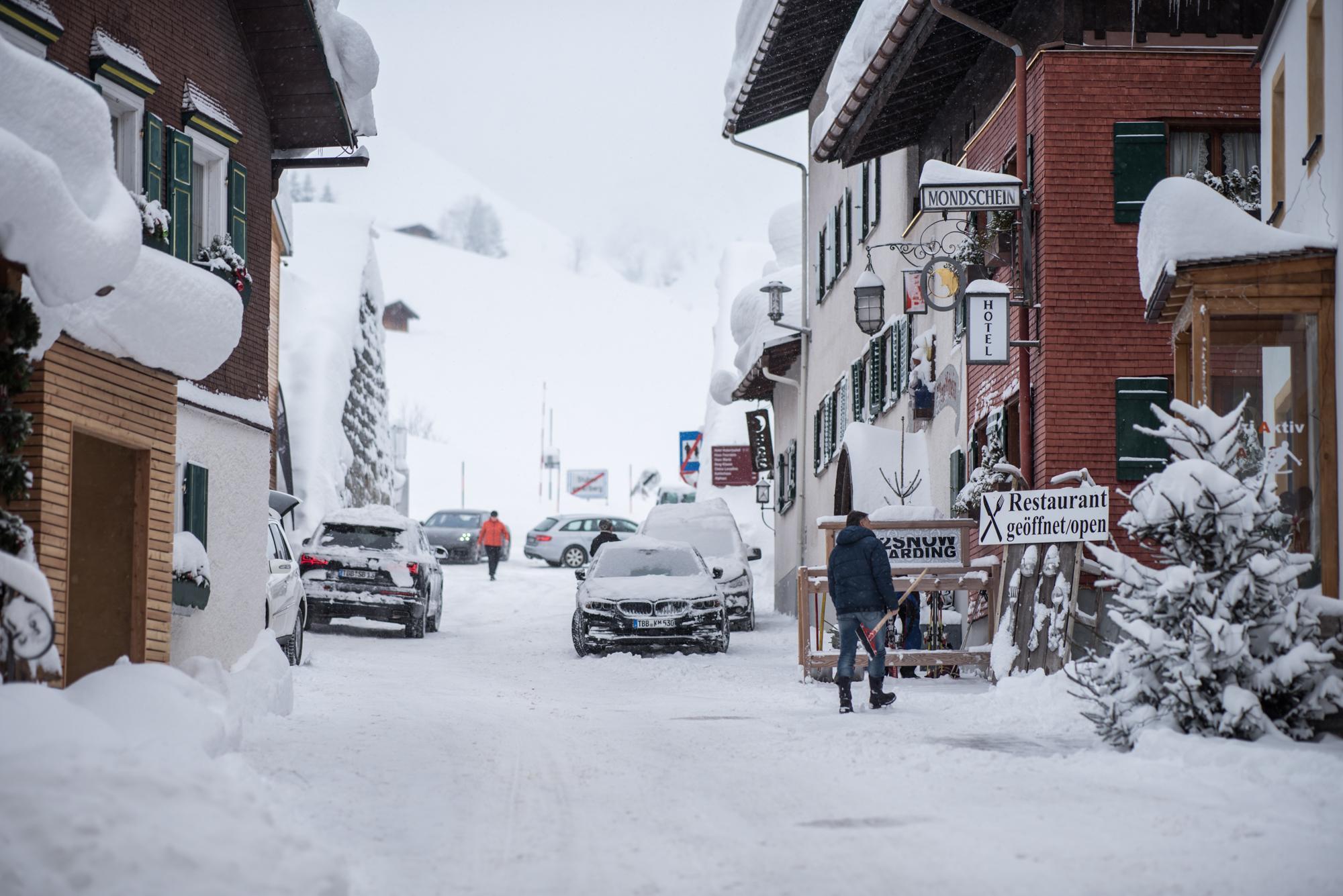
That exact position at the top of the pass is also why the village historically served as a waypoint for travelers crossing the Arlberg long before skiing existed here, a role reflected in Hotel Mondschein’s own history as a stopping point since 1739. The same geography that once made the crossing genuinely dangerous now makes Stuben unusually well connected for its size, sitting directly on the main route between Vorarlberg and Tyrol rather than tucked away down a single dead-end valley road.
Which Airport Should You Fly Into?
Four airports make up the core comparison for this route, Innsbruck, Zurich, Friedrichshafen, and Munich, and the closest one is not automatically the best choice for every traveler. A fifth option, Memmingen, is worth a quick look too if a budget carrier flies there from home. Below is a closer look at each of the main four.
Innsbruck Airport (INN)
Innsbruck is the closest airport at around 1 hour 30 minutes by road, and for most travelers coming from within Europe it is the simplest answer to how to get to Stuben am Arlberg quickly. The drive runs directly through the Arlberg region rather than requiring a long approach from further north or west, which keeps the transfer itself relatively painless even in winter conditions.
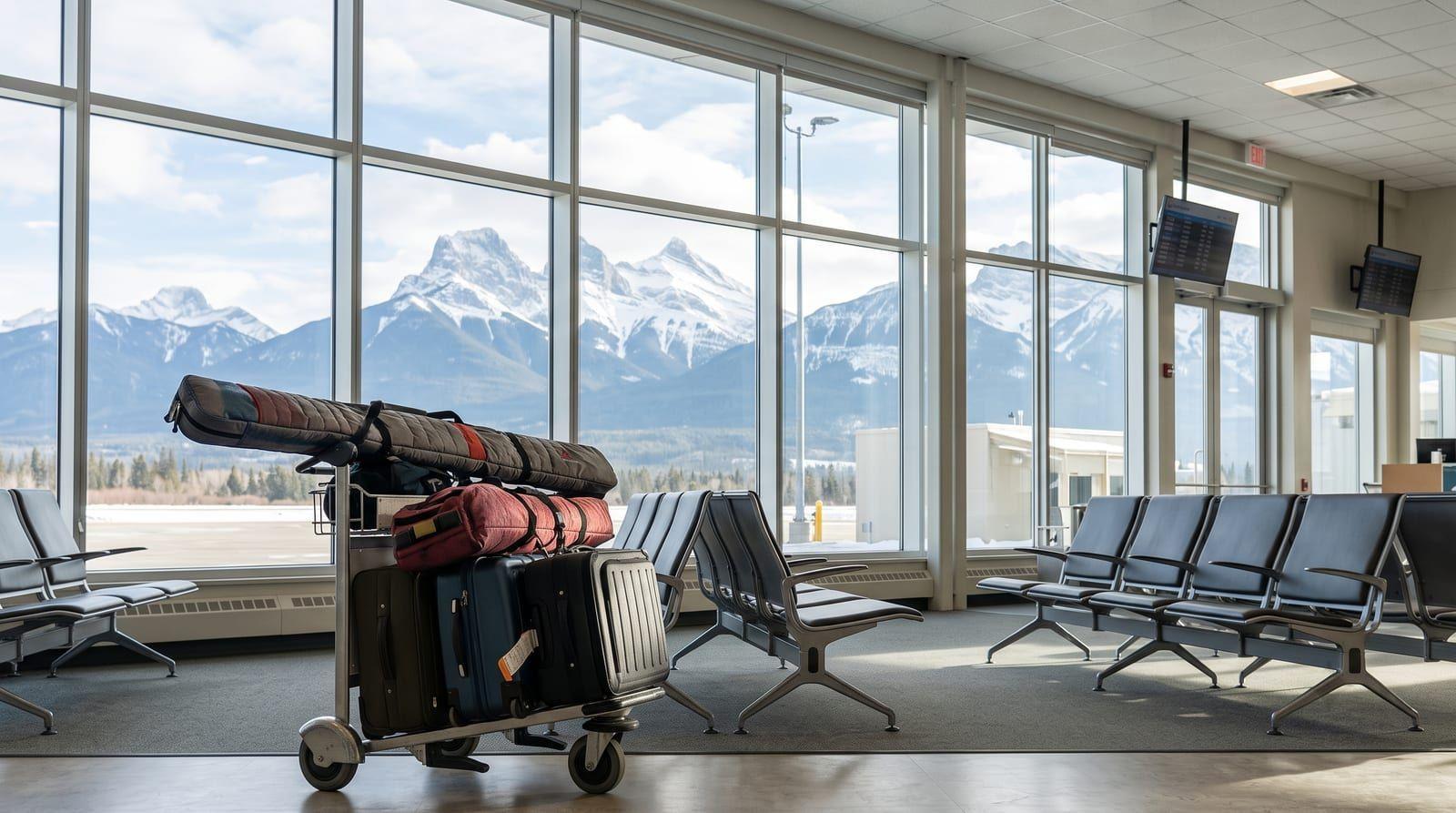
Innsbruck’s flight network is smaller than Zurich or Munich, mostly regional and seasonal ski-charter routes rather than a full long-haul hub, so a traveler flying in from outside Europe often connects through a bigger airport first. For anyone already in Europe or connecting through a nearby hub, though, Innsbruck’s short final transfer usually outweighs having fewer direct flight options.
Zurich Airport (ZRH)
Zurich sits about 2 hours away by road and works well for travelers connecting through Switzerland or coming from North America on a Swiss carrier. An Arlberg-bound shuttle service also runs from Zurich Airport directly to the wider region, a useful alternative to a rental car for a traveler who would rather not drive an unfamiliar mountain road on arrival.
Zurich’s status as a major international hub means significantly more direct long-haul routes than Innsbruck, worth the extra 30 minutes of road time for a traveler coming from further afield. The airport itself is also considerably larger and better equipped for a smooth connection with ski bags and winter gear than a smaller regional airport.
Friedrichshafen, Memmingen & Munich Options
Friedrichshafen, on the German side of Lake Constance, is roughly 1 hour 45 minutes away and worth checking for budget carriers serving southern Germany. Munich, at around 2 hours 45 minutes, is the furthest of the four but often has the widest range of long-haul connections, making it a reasonable trade of a longer final transfer for easier international routing.
Memmingen, a budget-carrier hub further north, sits roughly two hours out, closer than Munich, and is worth checking when a budget carrier serves your route. It isn’t included in the four-way comparison below since it’s a smaller, less consistently served hub than the other four, but a quick fare check is worth it if a low-cost carrier flies there from your home airport.
Cost & Time Comparison of Each Option
| Route | Travel Time to Stuben (in Clear Conditions) | Best For |
|---|---|---|
| Innsbruck Airport | About 1 hour 30 minutes by road | Fastest transfer, mostly regional flight routes |
| Zurich Airport | About 2 hours by road, or 2h30 by train to Langen | Widest long-haul connections |
| Friedrichshafen Airport | About 1 hour 45 minutes by road | Budget carriers from southern Germany |
| Munich Airport | About 2 hours 45 minutes by road | Maximum international routing options |
| Train via Langen am Arlberg | 5 minutes from the station to the village | Car-free travel, scenic route |
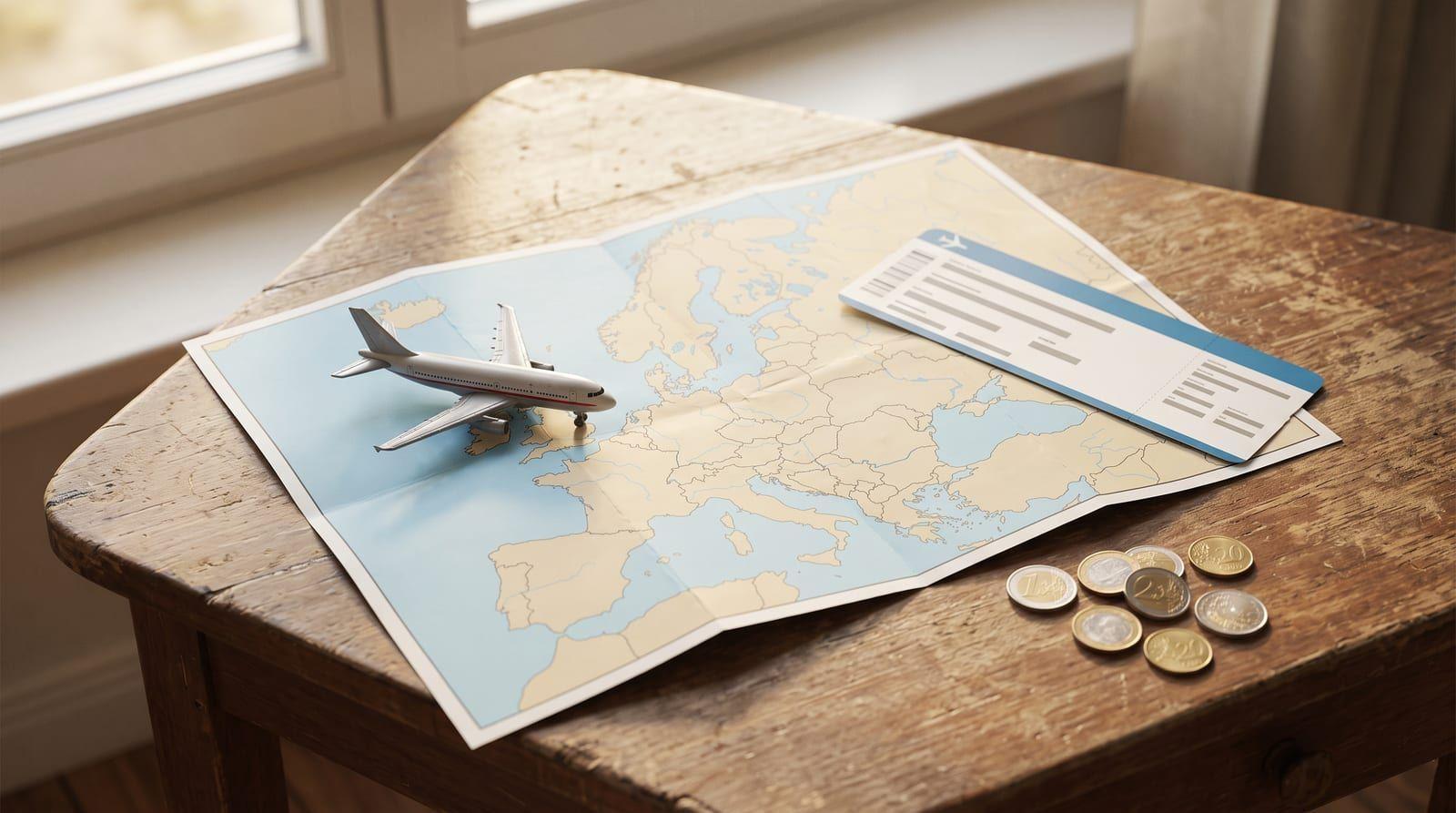
Cost tends to track the same pattern as time: Innsbruck’s shorter transfer generally means a cheaper taxi or private car, while Zurich and Munich’s longer distances cost more for the same private transfer, offset by often finding a cheaper or more direct flight into a bigger hub in the first place.
Allow an extra 30 to 60 minutes on peak-season Saturdays, when the S16 carries the region’s changeover traffic; the times above assume clear roads outside that window.
Getting from the Airport to Stuben
Once a flight lands, four distinct ways to cover the final stretch are all genuinely on the table. Here is what each one actually involves.
Private & Resort Transfer Service
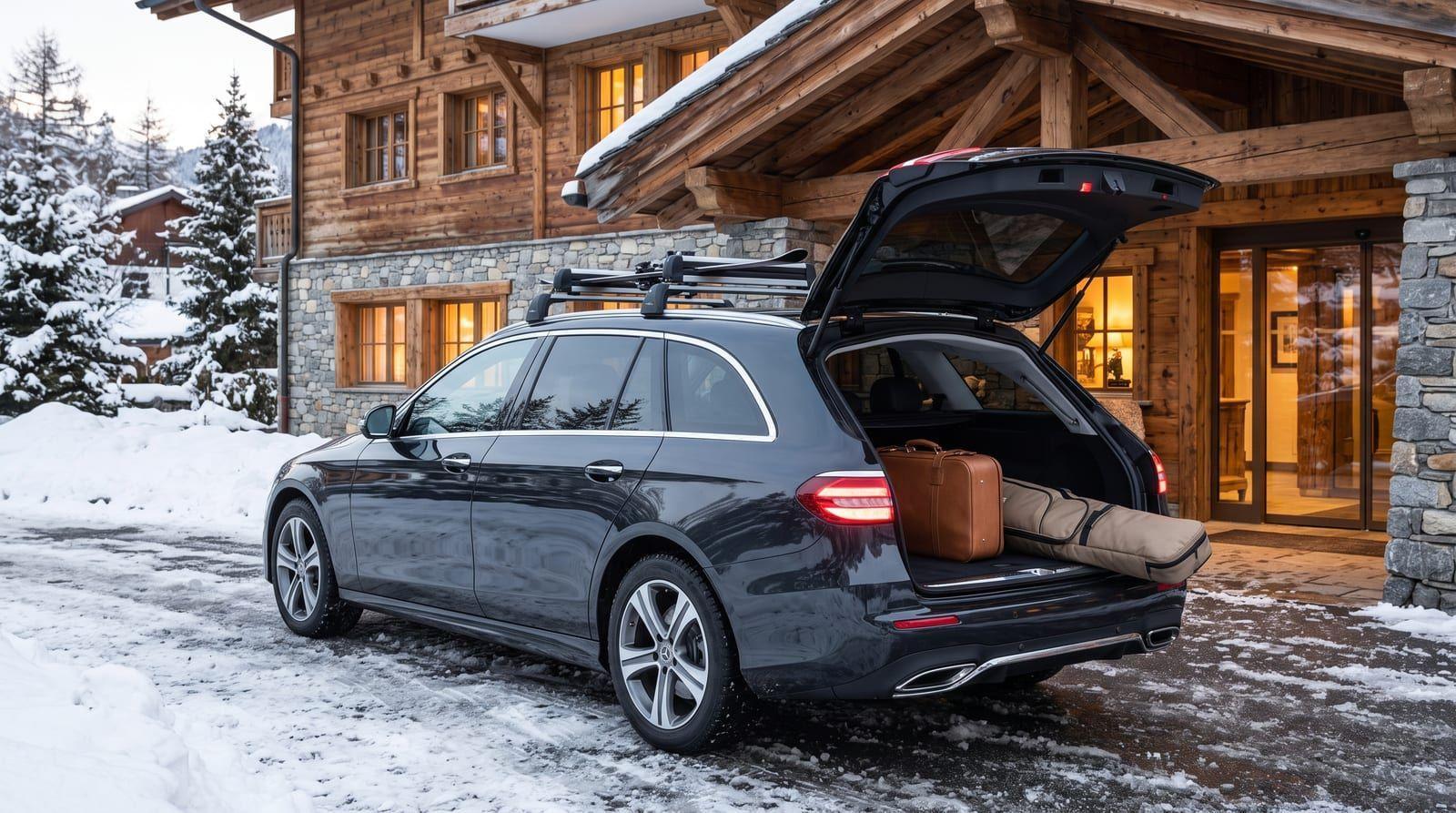
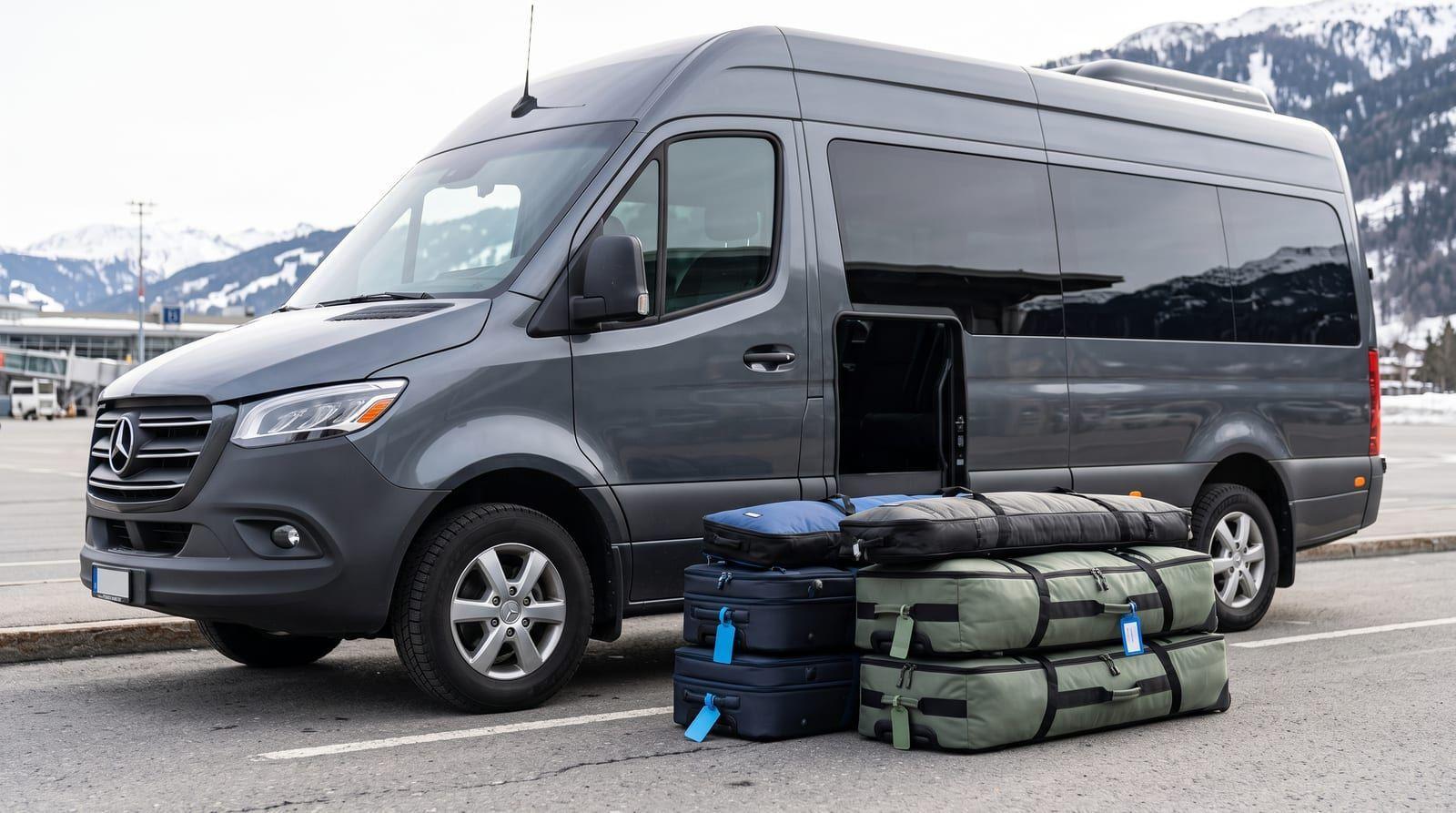
Several properties in the village, Mondschein Hotel & Chalet included, can arrange a private transfer directly from any of the four airports on request, generally the most comfortable answer to how to get to Stuben am Arlberg for a family or group traveling with ski equipment. Confirming this directly with a property at the time of booking, rather than assuming it is automatically included, avoids a last-minute scramble for transport on arrival.
By Train (to Langen am Arlberg)
Langen am Arlberg station, Europe’s highest year-round Intercity stop, sits just five minutes from Stuben, making rail a genuine option rather than a compromise. Direct trains run from Zurich’s main station in about 2 hours 30 minutes, from Vienna’s main station in roughly 5 hours 30 minutes, and from Innsbruck in about 1 hour 15 minutes, with a short onward transfer needed to reach the village itself from the station.
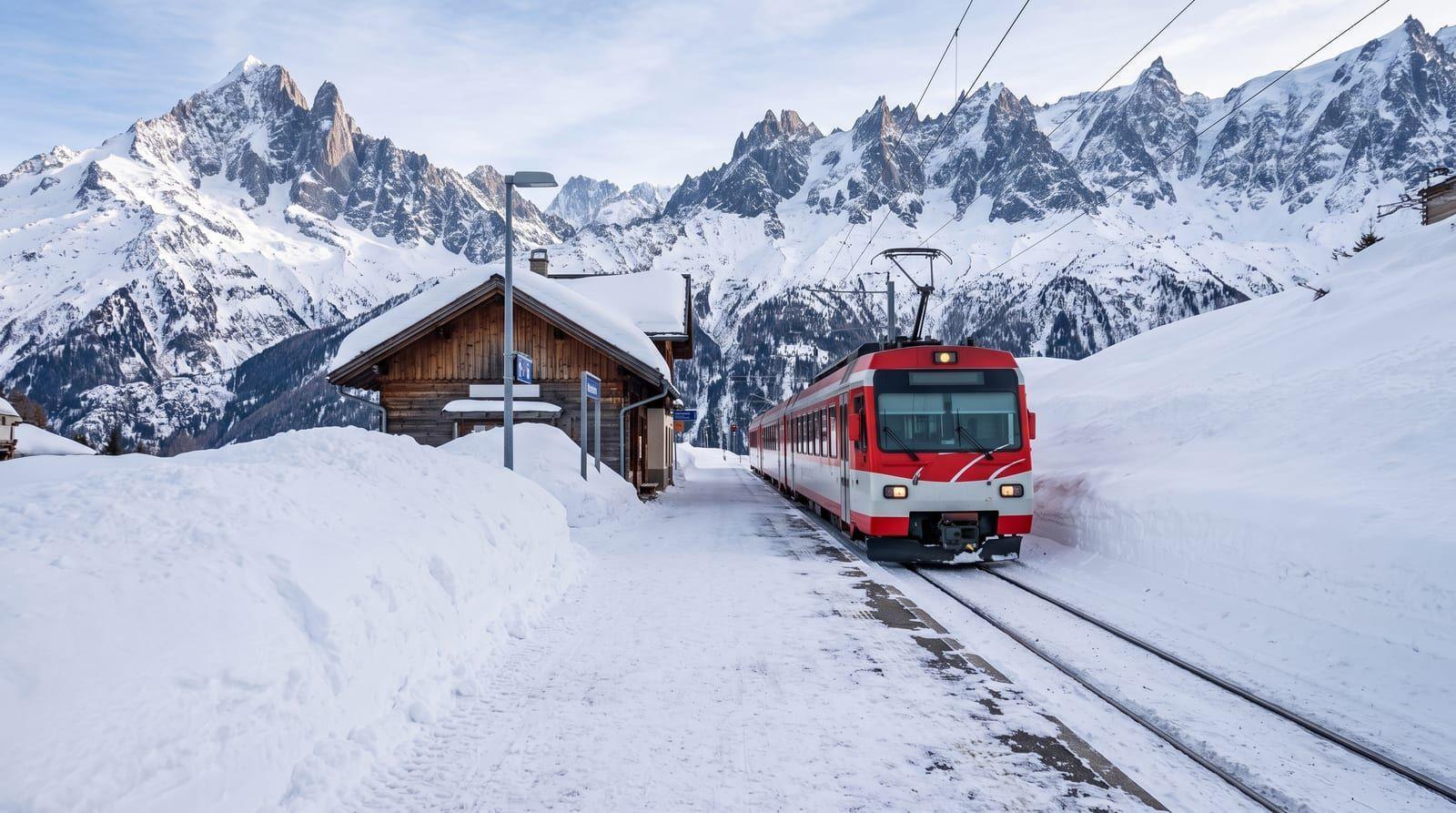
The rail route also avoids the road tolls and winter driving concerns that come with a rental car, and Langen’s status as the highest year-round Intercity stop in Europe makes the arrival itself a small point of interest rather than purely a practical necessity, worth noting for a traveler who enjoys the journey as much as the destination.
By Helicopter
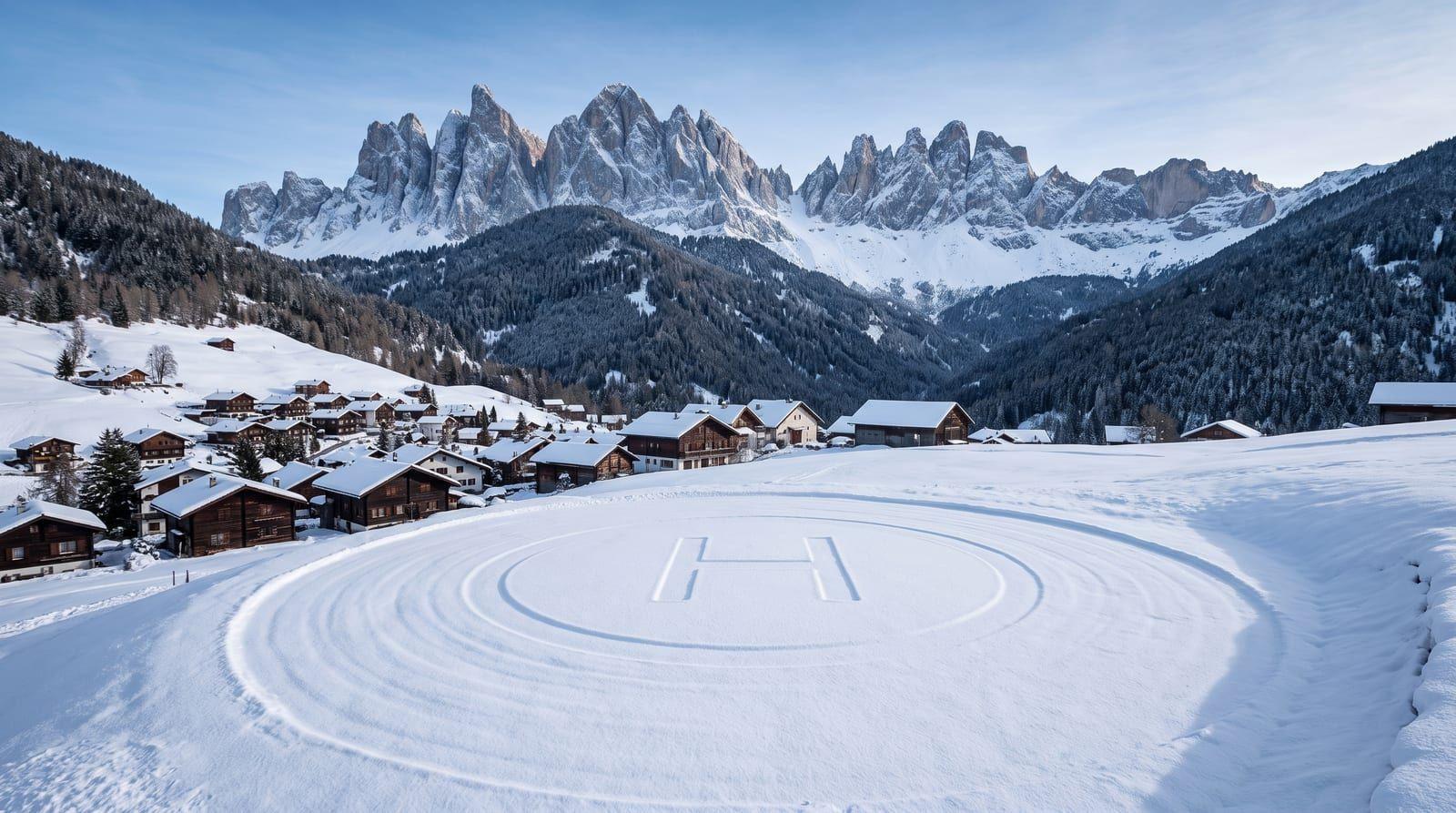
For travelers coming from further afield, the nearest heliport is at Zurs, about 15 minutes from Stuben over the Flexen Pass, with flights arranged from hubs including Zurich, Munich, Bolzano, and Innsbruck. It is a genuinely faster option than a road transfer on a high-traffic weekend, though it remains a small-scale option best arranged directly with a property rather than booked independently.
By Car & the Arlberg Pass
Driving via the S16 Arlberg Expressway remains the most flexible route for a family or group carrying ski gear. The S16 runs through the Arlberg Road Tunnel and stays open year-round, which is the route this guide assumes.
The old B197 pass road over St Christoph, by contrast, is scenic in summer but closes in heavy snow, so it isn’t one to rely on for a winter arrival. Anyone arriving from Germany, Switzerland, or Lake Constance typically exits at Klosterle or Langen, while a route from Innsbruck or Tyrol runs through the Arlberg road tunnel before the same exit.
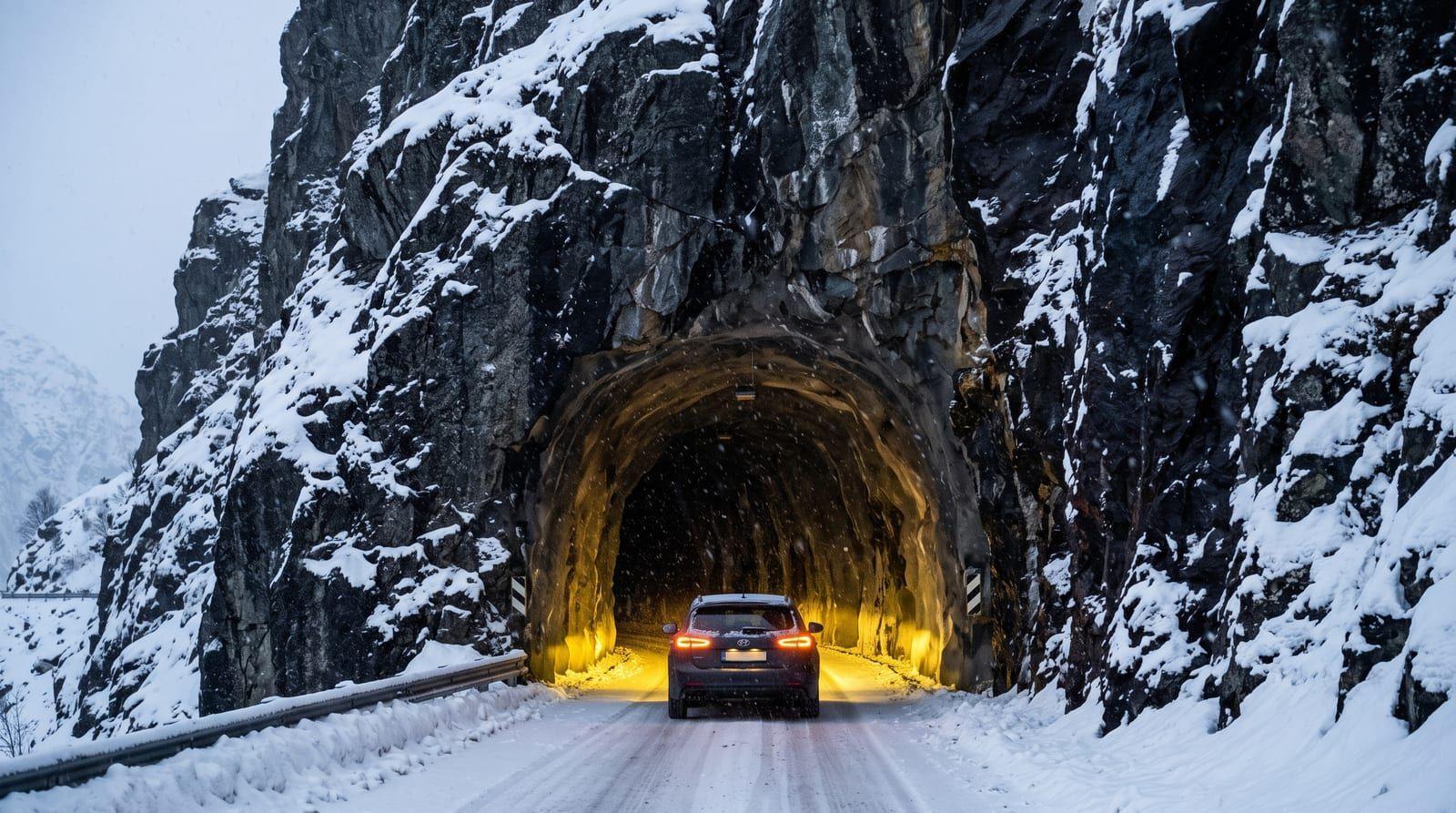
A rental car booked well ahead at any of the four airports covered above works well for this route, though anyone unfamiliar with alpine driving conditions should weigh that against a private transfer instead, particularly for a first visit or a trip landing during a heavier snow week. The Arlberg road tunnel bypasses the highest, most exposed section of the old pass road, which keeps the drive considerably safer and more predictable than it would have been a generation ago.
Two separate charges apply on this stretch: the Austrian motorway vignette, required on most Austrian expressways, and a separate section toll for the Arlberg Road Tunnel itself (around €13 one-way for a car as of 2026, via the ASFINAG toll shop).
(Note: Toll prices and vignette fees are accurate as of 2026 but are subject to change. Please verify current rates via ASFINAG before your trip.)
The free alternative over the pass road is not always open in winter, so budget for both charges rather than assuming the vignette alone covers it. Most rental agencies at the four airports can advise on current rates and payment methods at the time of pickup.
Comparing the Four Routes for Different Travelers
A solo traveler or couple prioritising speed over flight choice generally does best flying into Innsbruck and taking the shortest transfer available, since the smaller airport’s limited routes matter less when only one or two people need to coordinate schedules around a single flight.
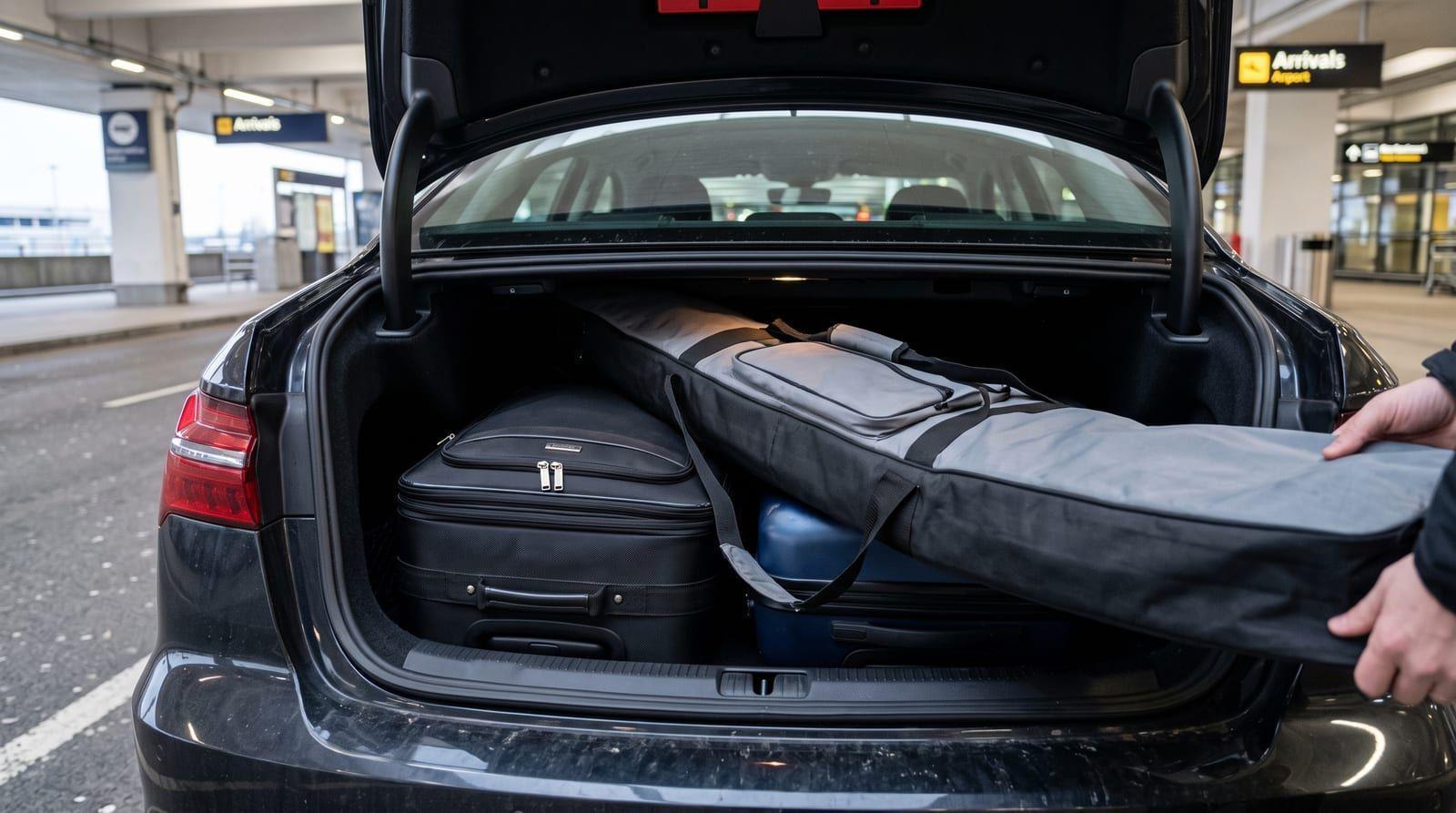
A family or larger group, juggling more luggage, ski gear, and potentially connecting from further afield, often does better weighing Zurich or Munich’s wider flight selection against the longer transfer, since finding one direct flight for the whole group can outweigh an extra 30 to 45 minutes on the road at the other end.
A traveler without a strong preference either way, and genuinely asking how to get to Stuben am Arlberg for the first time, should simply compare live fares across all four airports for their specific travel dates before deciding, since seasonal pricing swings can make one option meaningfully cheaper in a way that outweighs the small difference in transfer time.
A repeat visitor, by contrast, usually already has a preferred route locked in from a previous trip and rarely needs to re-run this comparison each season.
Getting Around Once You Arrive
Stuben itself is small enough to cross on foot in minutes, so once actually in the village, how to get to Stuben am Arlberg stops being the relevant question and how to get around it takes over instead. Most hotels sit within a short walk of the Albona lift, and the handful of restaurants and bars covered elsewhere in this guide are all within the same compact center.
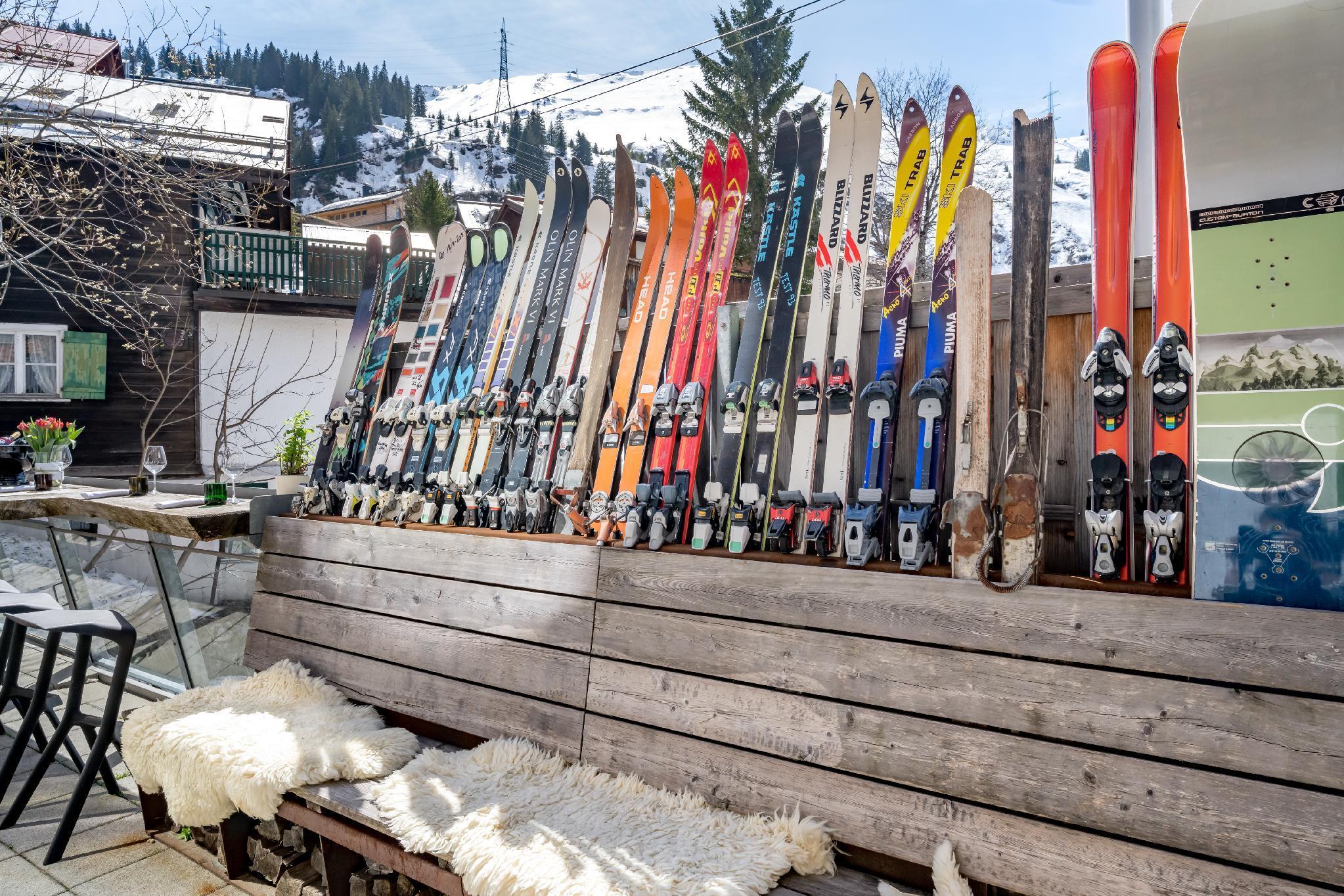
For day trips to neighbouring villages, St Anton, Lech, or Zurs, the connected Arlberg lift network covers the skiing side of that trip without needing a car, while a local bus or taxi covers non-skiing errands between villages.
A rental car brought in from the airport is genuinely optional once actually based in Stuben, useful for a day trip further afield, to Innsbruck or a neighbouring valley, but unnecessary for a straightforward ski-focused week spent entirely within the village and the connected lift network. Parking is available at or near most properties for anyone who does bring one, though it sits unused for days at a time on a typical ski-only itinerary rather than earning its rental cost back.
Traveling with Ski Equipment
Checking ski bags through an airport adds a genuine layer of logistics to any answer to how to get to Stuben am Arlberg, since oversized luggage handling varies considerably by airline and airport. Innsbruck and Zurich, both well accustomed to winter-sports traffic, generally handle this more smoothly than a smaller regional airport less used to the volume, with dedicated oversized-baggage lanes and staff familiar with ski and snowboard bags specifically.
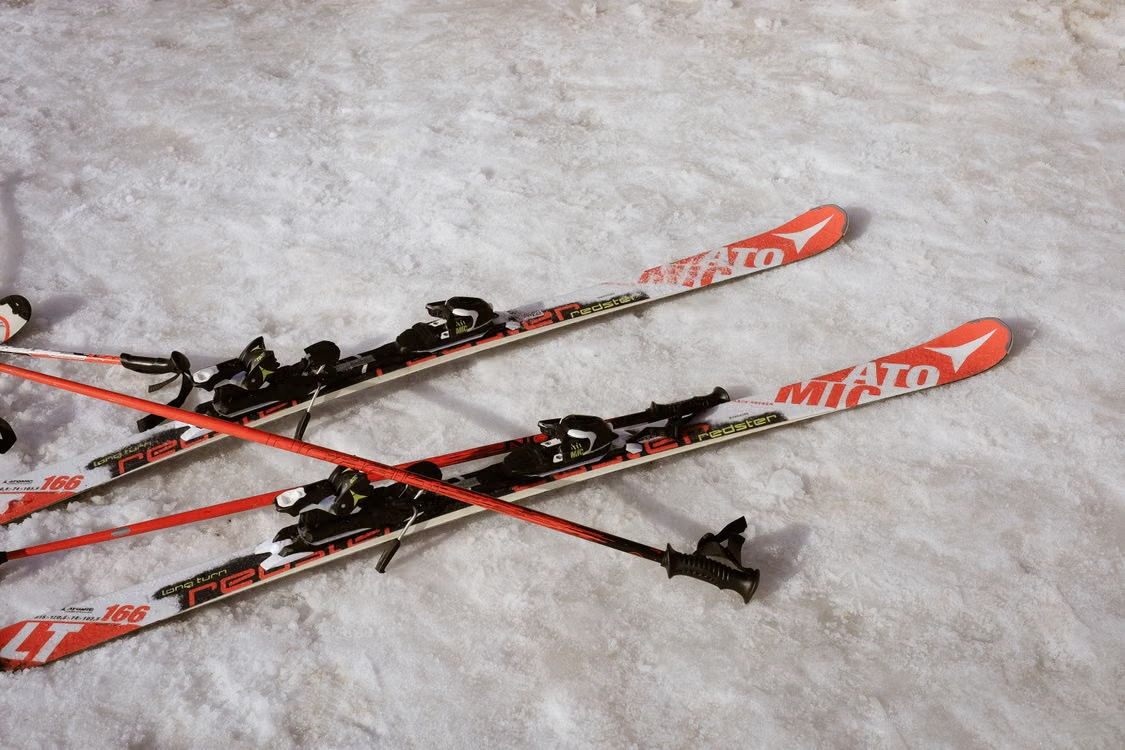
Renting equipment on arrival is a genuine alternative worth considering, particularly for a family with fast-growing kids or a traveler who would rather not manage bulky luggage through several transfers. Rental shops across the wider Arlberg region stock a full range of sizes and can swap gear mid-week if needed, removing the ski bag from the travel equation entirely.
For a traveler bringing their own boots but renting skis, a hybrid approach, packing only the boot bag and picking up skis locally, cuts down on checked luggage without sacrificing the fit and comfort of equipment already broken in. Boots are also generally the item worth owning personally rather than renting, since fit matters more for comfort than ski performance does for most recreational skiers on a typical week-long trip.
Timing a Trip Around Flight Availability
Flight schedules into the smaller regional airports, Innsbruck and Friedrichshafen especially, thin out considerably outside the core December-to-April ski season, sometimes dropping certain routes entirely in the off-season. Zurich and Munich maintain year-round schedules regardless of season, worth factoring in for anyone planning a shoulder-season or summer visit to the wider Arlberg region.
Booking early in the season, as soon as travel dates are confirmed, generally secures better fares and a wider choice of arrival times than waiting until closer to a peak week, when remaining seats on the more convenient routes into Innsbruck can sell out well before the departure date itself.
Travel Tips for Winter Arrivals
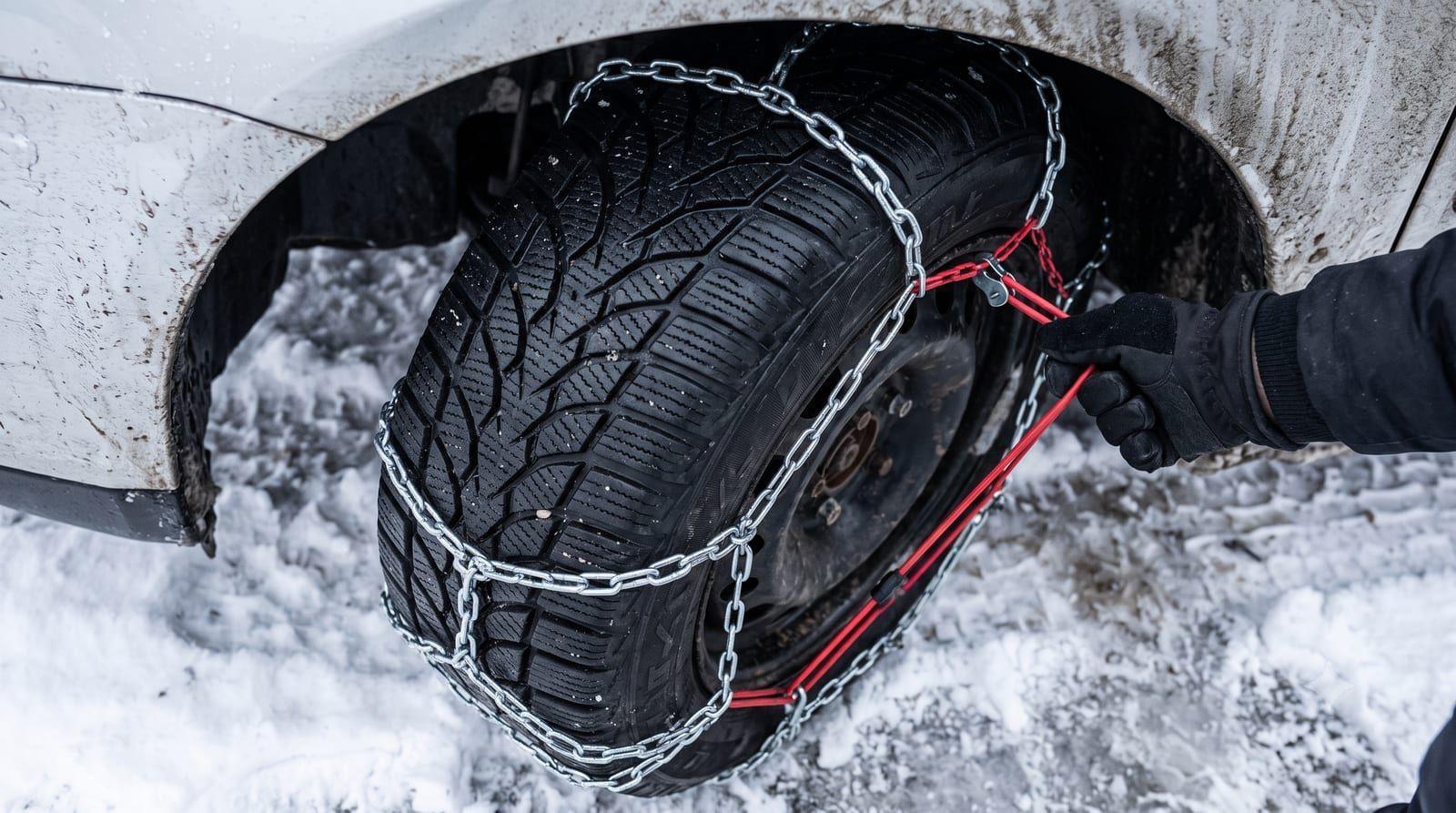
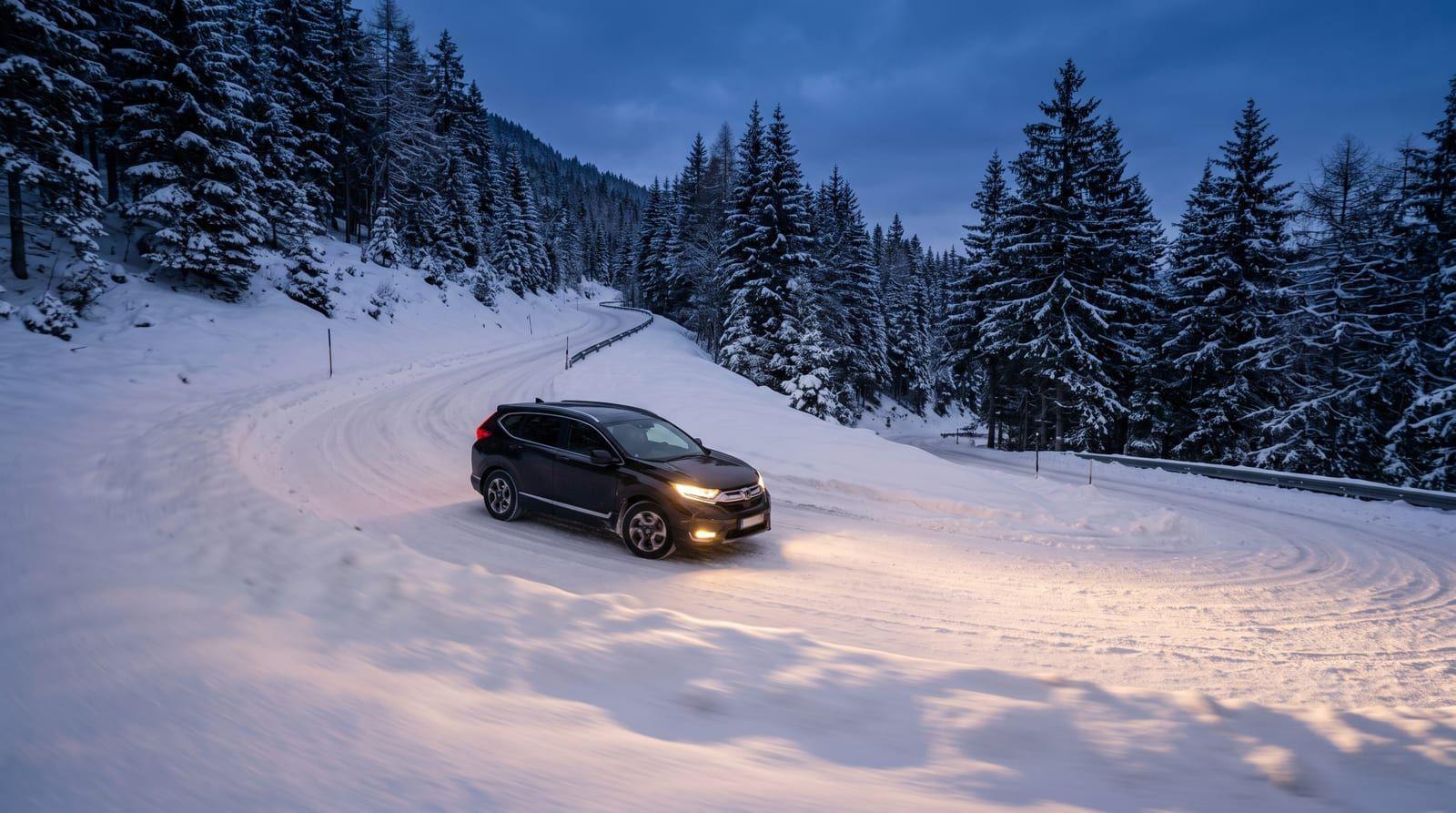
Winter tires or snow chains are effectively mandatory for driving the pass between December and April, and a rental car booked without them is a genuine liability on the final stretch into Stuben. Checking current road conditions the morning of departure, rather than assuming clear roads, is worth the extra few minutes given how quickly conditions on an alpine pass can change.
Flight delays and cancellations run higher across European winter-sports routes during heavy snow weeks than at other times of year, so building a buffer of a few hours before a connecting flight, rather than a tight same-day itinerary, avoids turning one weather delay into a missed transfer as well.
Travel insurance that specifically covers winter-sports delays is worth checking before departure for the same reason, since a standard policy does not always include coverage for this kind of seasonal disruption.
Building in extra time on the final transfer leg, whether self-driving or on a private transfer, accounts for the reality that the last stretch into Stuben moves more slowly than the flat, faster roads earlier in the journey, regardless of which of the four airports a trip started from.
Layering clothing for the transfer itself, not just the slopes, is worth planning for too, since a car or train can run considerably warmer than the platform or car park a traveler is standing on beforehand, and a quick change between airport-appropriate layers and something heavier for the final approach makes the whole journey noticeably more comfortable from door to door.
Where to Stay Once You Arrive
One address covers both sides of a Stuben stay, from the village-center hotel to the private suites just uphill. The details below are worth knowing before booking either half.
Mondschein Hotel & Chalet
Mondschein Hotel & Chalet sits in Stuben’s pedestrianized village center, a 3-minute walk to the slopes, with two distinct properties: the historic Hotel Mondschein, dating to 1739, and the newer Chalet Mondschein, a five-minute walk uphill with direct slope access. Both can arrange a private transfer from any of the four airports covered above, worth requesting directly at the time of booking.
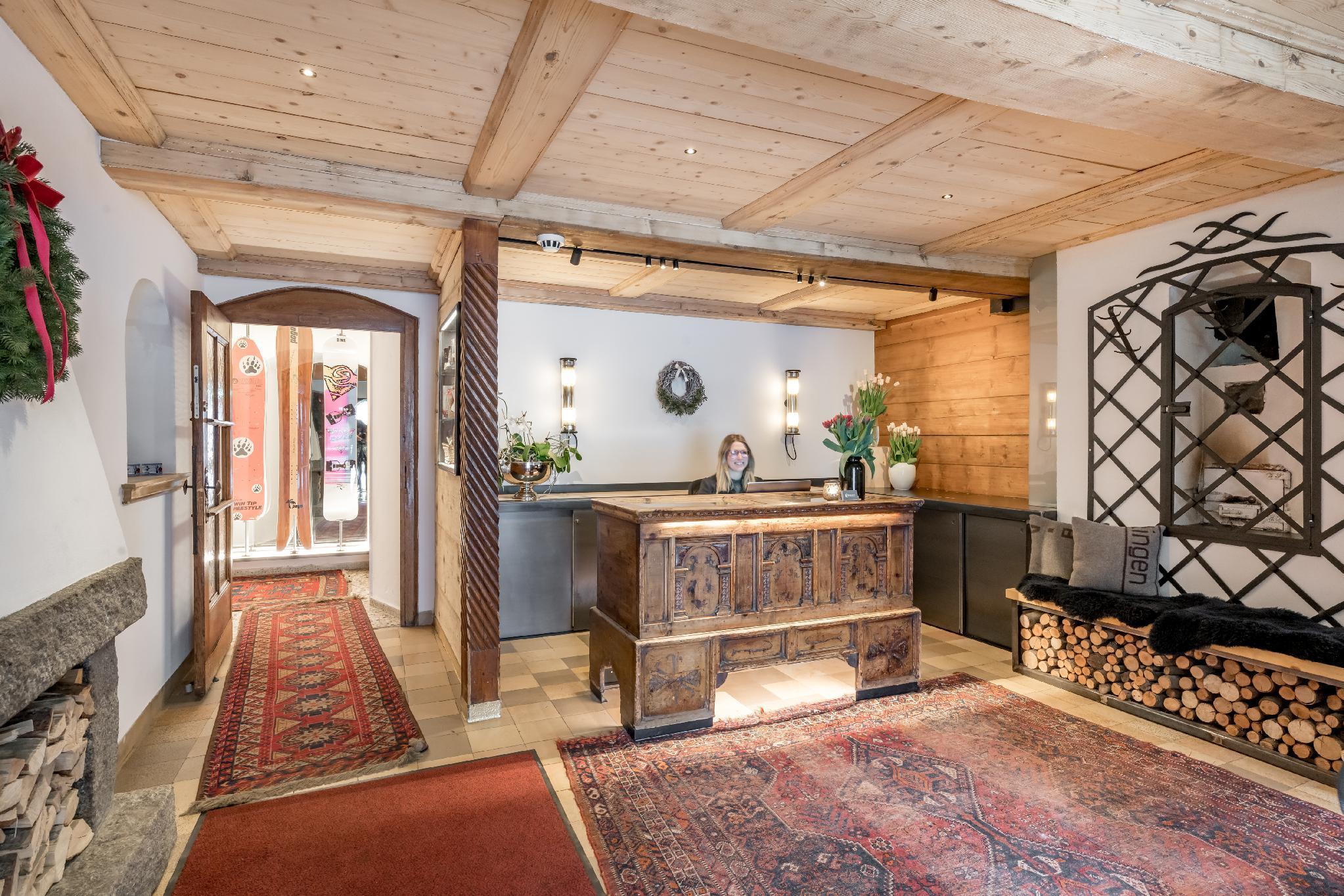
Confirming the exact drop-off point when arranging a transfer matters slightly more for Chalet Mondschein than the village-center hotel, given its position a short uphill walk away with direct slope access rather than a street-level entrance; a driver unfamiliar with the property benefits from clear directions provided in advance.
Beyond the logistics of arrival, choosing between the two buildings comes down to the specific alpine experience you prefer. The historic hotel leans into its heritage, offering traditional rooms finished in natural Zirbenholz, or Swiss stone pine, which is prized locally for promoting restorative sleep.
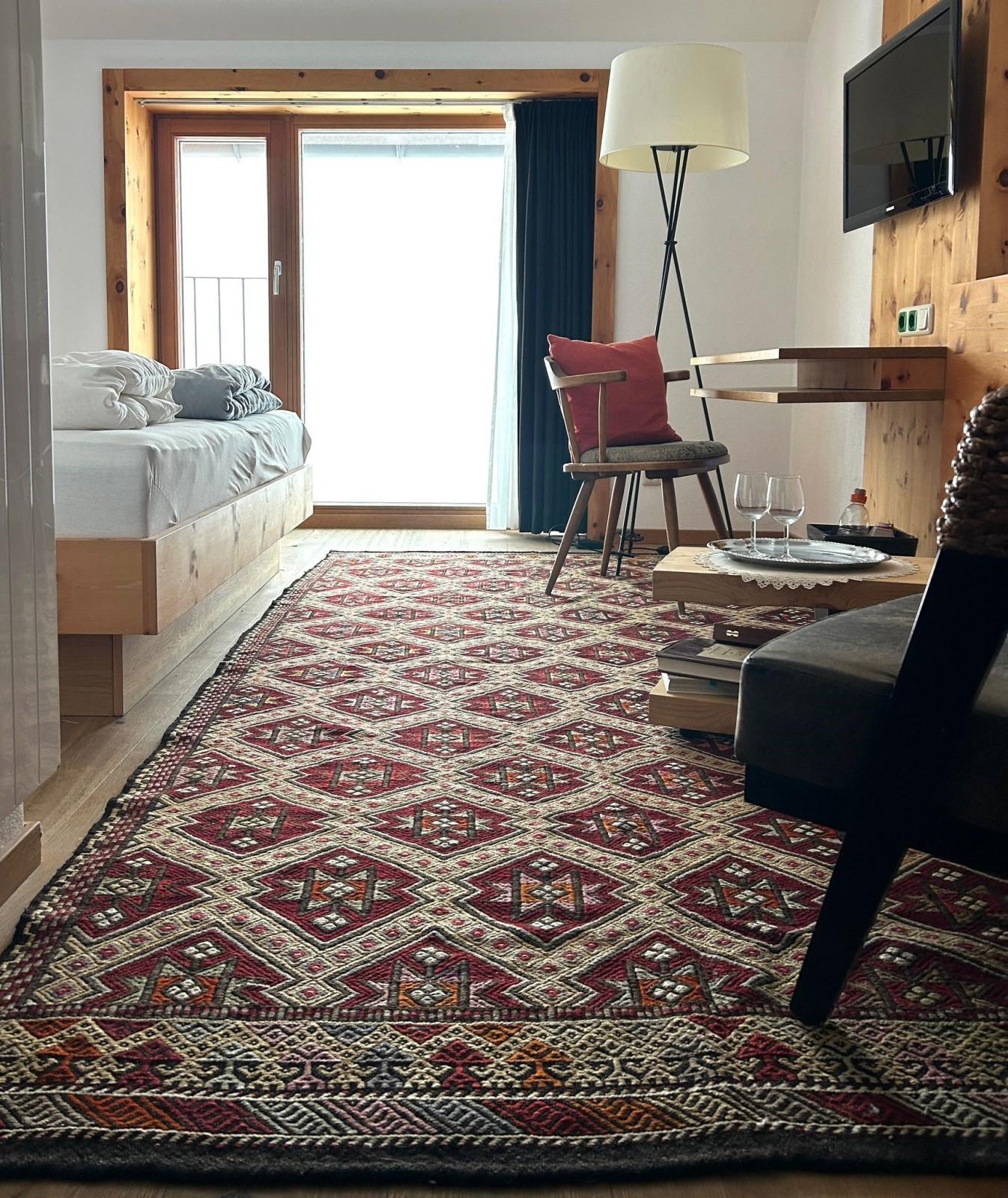
The Comfort Double is the straightforward pick for a couple arriving by any of the routes above, a standard double inside the historic building rather than the chalet’s private suites.
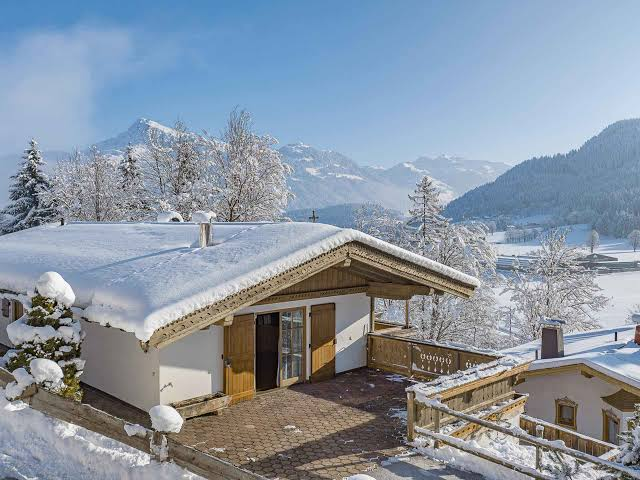
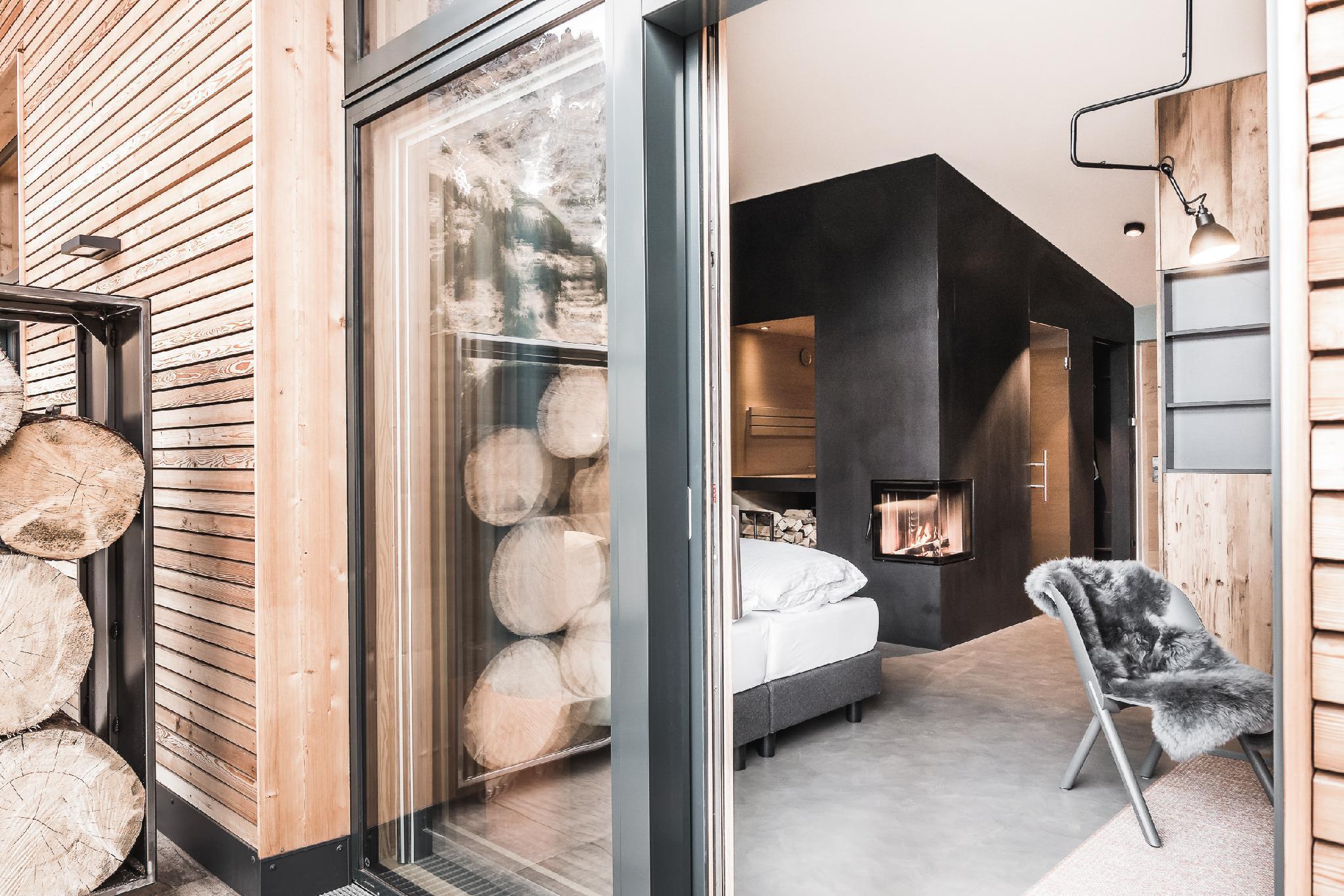
The uphill Chalet Mondschein trades the village energy for modern seclusion. Its suites feature private saunas and infrared cabins, making it the ideal choice for travelers prioritizing wellness and quiet evenings overlooking the valley.
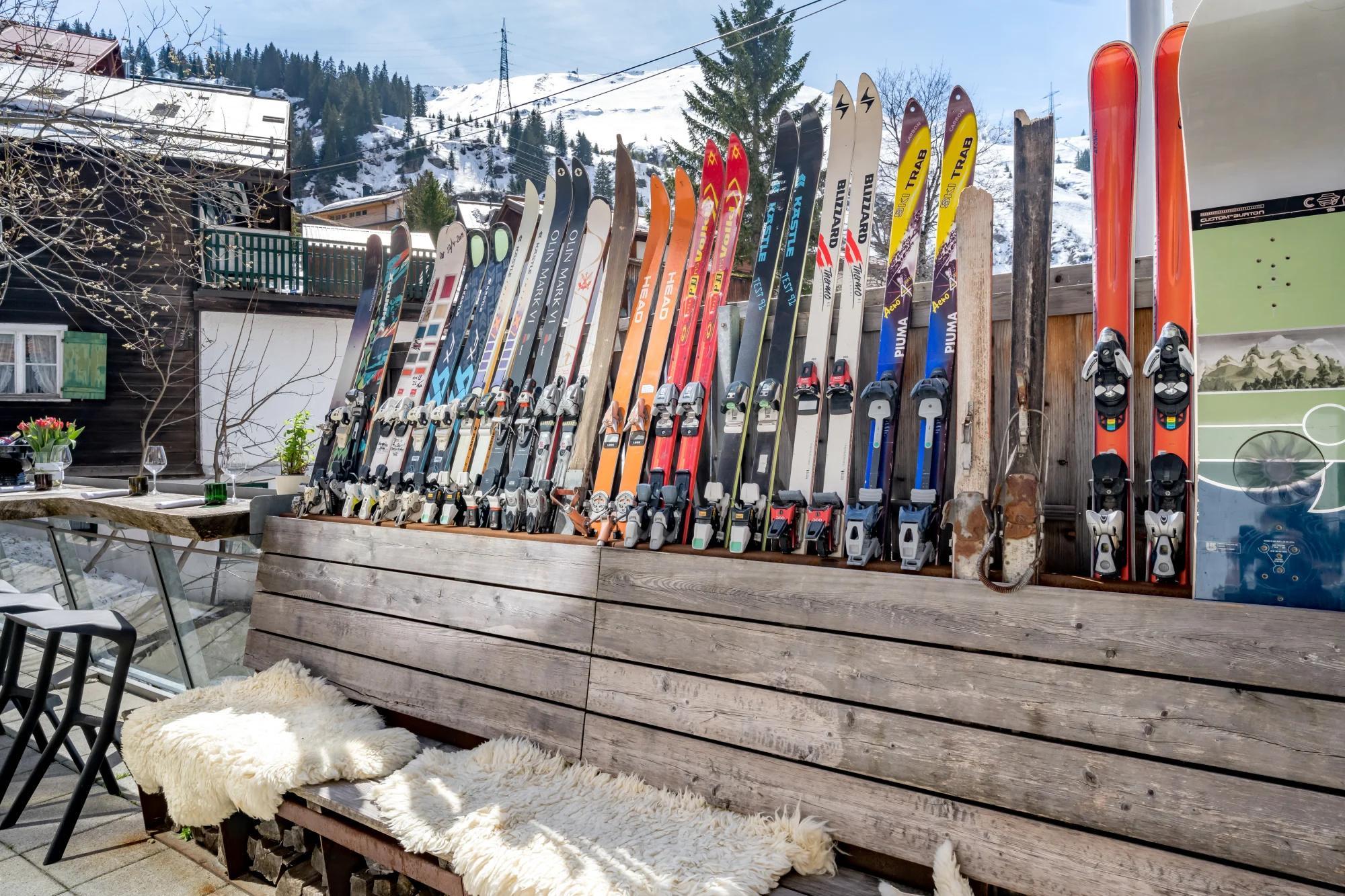
The culinary programming requires just as much advance planning as your accommodation. The property houses the Alte Gaststube for traditional regional dishes, serving continuously since the 18th century.
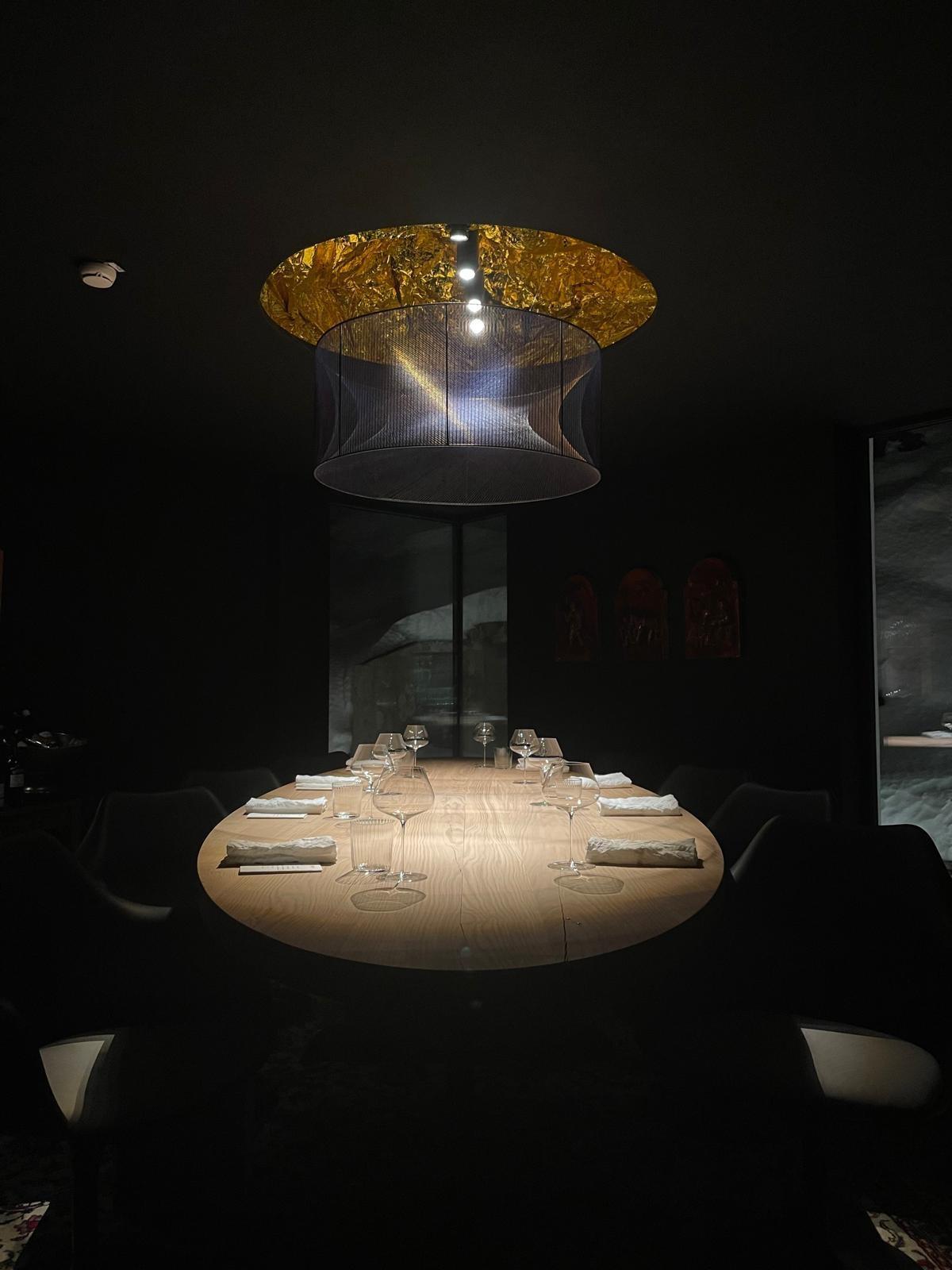
The Chef’s Table, an exclusive eight-seat residency, consistently books out during peak winter weeks, so anyone chasing that specific table should book the room and the seat together rather than assuming a walk-in table will be available.
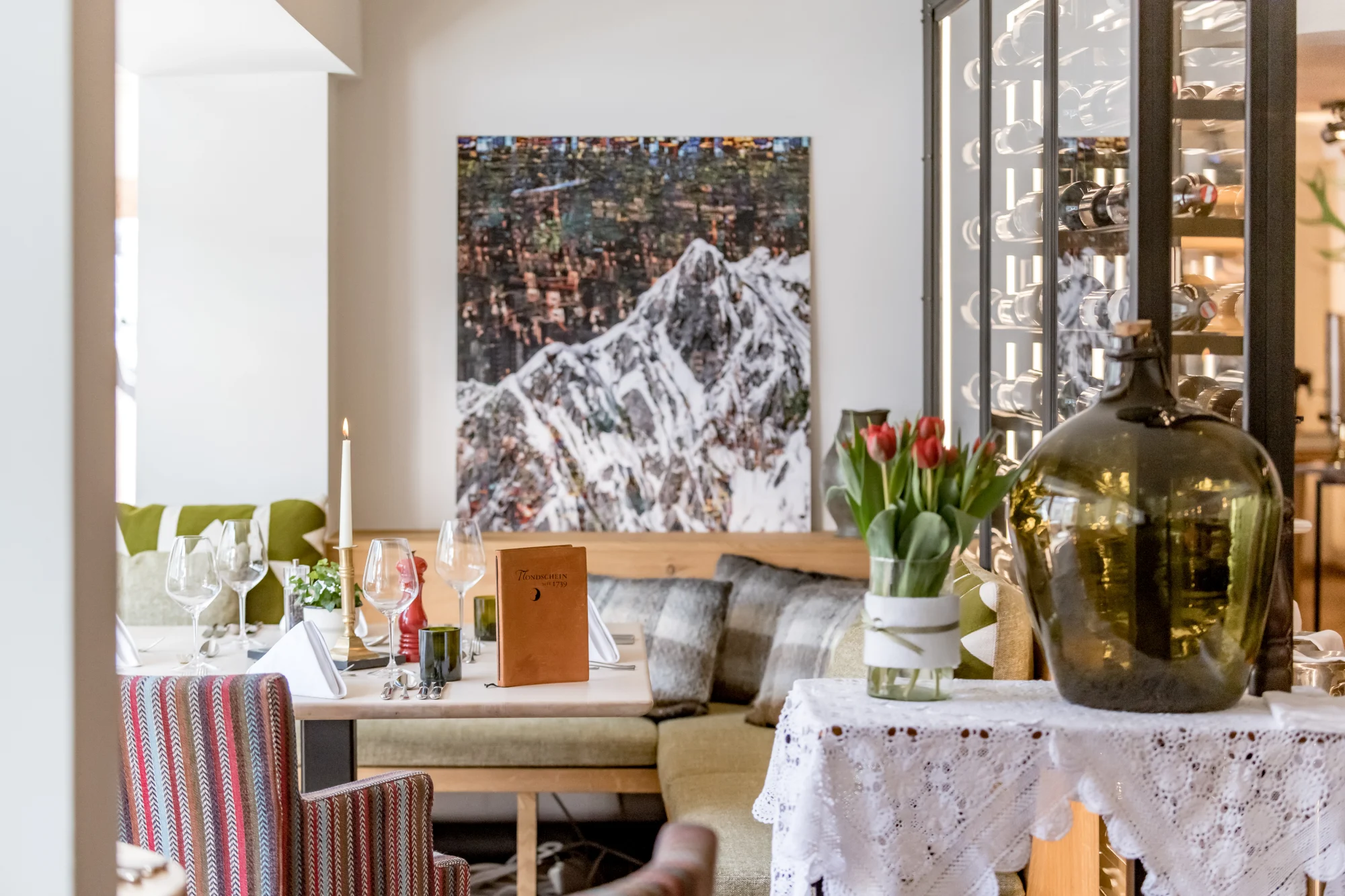
Guests staying at either the hotel or the Chalet share access to these venues, along with a historic 17th century wine cellar, but securing a table during the high season means making dining reservations long before you arrive.
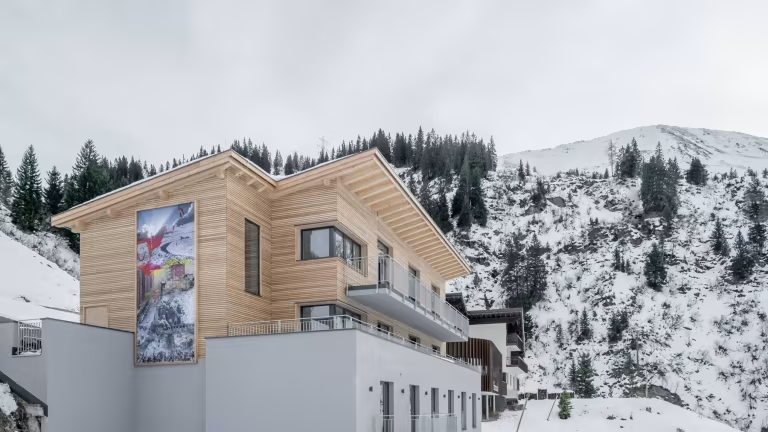
While winter draws crowds for the ski access and lively village atmosphere, summer shifts the property into a peaceful hiking basecamp. The booking calendar relaxes significantly outside of ski season, making Mondschein a highly accessible option for spontaneous summer trips without the rigid planning timeline required for a January stay.
Read more: How to Get to Stuben am Arlberg: Transfers from Zurich, Munich and Innsbruck
Booking Flights & Transfers Ahead of the Season
Flight prices into all four airports covered here rise sharply during peak weeks, January and February school holidays especially, so booking flights three to six months ahead generally secures both a better fare and a wider choice of connection times than a same-season search.
This is the same lead time worth applying to hotel bookings in the village, given how few genuine beds Stuben itself has, and the two decisions are worth making together rather than locking in flights before confirming a room is actually available.

Private transfers should be arranged at the same time as flights rather than left until arrival, particularly for a peak-week trip when transfer providers across the region are working at capacity. A property confirming pickup details a few weeks before arrival, once flight times are locked in, closes the loop on the whole journey from departure to check-in.
Sharing a transfer with another group traveling the same route on a similar schedule can meaningfully reduce the per-person cost of a private car, worth asking about when booking through a property that coordinates transfers for multiple guests arriving around the same time.
It is a small logistical step that rarely occurs to first-time visitors but can make a genuinely real difference on a longer transfer from Zurich or Munich specifically, particularly for a solo traveler or couple not already splitting the cost across a larger group.
For anyone still deciding between the four airport options, working backward from the actual flight search, checking real fares and connection times from a home airport into each of the four, tends to produce a more useful answer than assuming the closest option by road is automatically the best one once flight cost and convenience are factored in.
A ten-minute comparison across all four before booking anything is a small step that regularly saves both money and travel time over the course of the full journey.
Conclusion
How to get to Stuben am Arlberg comes down to four honest options rather than one obvious answer: Innsbruck for the fastest airport transfer, Zurich or Munich for wider international routing, the train via Langen am Arlberg for a car-free trip, and the S16 Expressway for maximum flexibility with gear and a family in tow.
Whichever route fits, reach out to Mondschein Hotel & Chalet directly ahead of the trip to arrange a private transfer and confirm current winter road conditions before departure, ideally as soon as flight dates are locked in rather than closer to arrival.
Frequently Asked Questions
What is the closest airport to Stuben am Arlberg?
Innsbruck Airport is the closest, at around 1 hour 30 minutes by road, ahead of Friedrichshafen at roughly 1 hour 45 minutes, Zurich at about 2 hours, and Munich at around 2 hours 45 minutes. Innsbruck’s flight network is smaller and more seasonal than the other three, worth weighing against its shorter transfer time.
How far is Zurich from Stuben am Arlberg?
Zurich Airport is about 2 hours away by road, with a direct train option to Langen am Arlberg, five minutes from the village, taking roughly 2 hours 30 minutes. Zurich’s status as a major international hub often makes it the easier choice for travelers connecting from outside Europe, even with the slightly longer final transfer.
Can I reach Stuben by train?
Yes. Langen am Arlberg, Europe’s highest year-round Intercity stop, sits five minutes from Stuben, with direct connections from Zurich, Vienna, and Innsbruck, followed by a short onward transfer to the village. It is a genuinely scenic, car-free option worth considering even for travelers who would otherwise default to flying.
Does Mondschein offer an airport transfer?
Yes. Mondschein Hotel & Chalet can arrange a private transfer from Innsbruck, Zurich, Friedrichshafen, or Munich on request; confirming this directly at the time of booking is the most reliable way to arrange it, particularly for Chalet Mondschein’s uphill position, which benefits from clear drop-off directions given in advance.
Is it hard to drive to Stuben in winter?
The S16 Arlberg Expressway maintains clear winter access, but winter tires or snow chains are effectively mandatory for the final stretch, and checking current road conditions before departure is worth doing given how quickly alpine pass conditions can change. The Arlberg road tunnel bypasses the most exposed section of the older pass road, which makes the modern route considerably more predictable than it once was.