
Inside the Heli Ski Experience: From Take Off to Powder Descent
15.01.2026
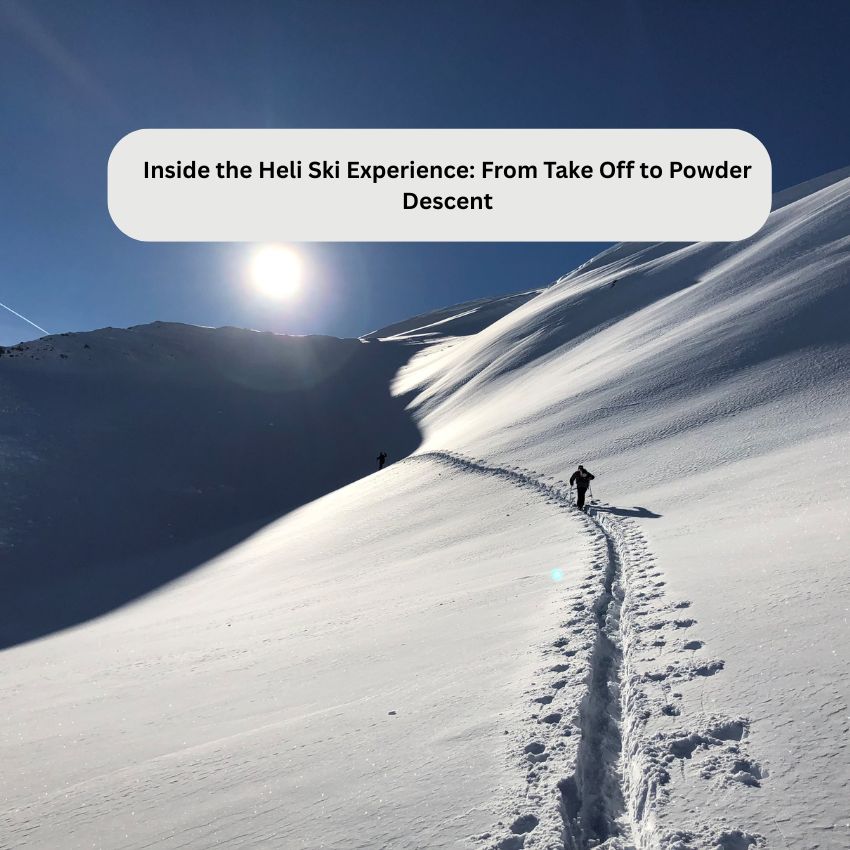
Heli skiing is often described as the purest form of alpine skiing. It removes lift lines, crowded pistes, and artificial boundaries, replacing them with silence, altitude, and untouched snow. For many skiers, it represents the ultimate mountain experience.
At its heart, heli skiing is about access. A helicopter transports small groups to remote alpine terrain that cannot be reached by lifts. From there, skiers descend through pristine powder, guided by professionals who understand the mountain and its conditions.
Understanding what happens during a heli ski day helps first time guests feel confident, prepared, and excited.
The heli ski experience begins long before the helicopter lifts off. Preparation is essential for safety and enjoyment.
Guests meet their certified mountain guide for a detailed briefing. This includes information about weather conditions, snow stability, terrain selection, and group expectations. Equipment is checked carefully. Avalanche safety gear such as transceivers, shovels, and probes are explained and tested.
This preparation phase sets the tone for the day. It builds trust, ensures everyone understands procedures, and creates a sense of shared responsibility.
Safety is the foundation of every heli ski operation. Guides continuously assess weather patterns, wind, visibility, and avalanche risk. Decisions are made conservatively, with guest safety always taking priority over ambition.
Heli skiing is not about taking unnecessary risks. It is about accessing beautiful terrain responsibly and with respect for the mountain environment. This careful approach allows guests to relax and focus on the experience rather than worry.
Few moments compare to stepping into a helicopter surrounded by snow covered peaks. As the rotors begin to turn, anticipation builds. Take off is smooth and controlled, and within seconds the landscape opens beneath you.
From the air, the Alps appear vast and untouched. Valleys stretch endlessly, ridgelines form natural patterns, and the scale of the mountains becomes clear. This aerial perspective is an experience in itself, offering views that most people never see.
The flight is calm and purposeful, guided by experienced pilots who know the terrain intimately.
Landing zones are carefully selected and approved. The helicopter descends gently onto a remote ridge or plateau. Once the engine powers down, an extraordinary silence takes over.
Stepping out onto untouched snow at high altitude is often described as surreal. There are no lift towers, no crowds, and no noise. Only wind, snow, and mountains.
At this point, the guide gives final instructions, explains the descent, and ensures everyone is comfortable and ready.
Before skiing begins, guests adjust their equipment and take a moment to absorb the surroundings. Many first timers describe this pause as one of the most powerful moments of the day.
Standing above a wide expanse of untouched powder creates both excitement and respect. The mountain feels immense and alive. The guide chooses a safe starting point and explains the route.
The descent begins smoothly and deliberately. The guide often skis first, setting a line and demonstrating technique for the conditions. Guests follow one at a time, maintaining safe spacing.
Skiing untouched powder feels different from groomed slopes. The snow is soft and forgiving, allowing skis to float rather than carve. Turns feel fluid and effortless when rhythm is found.
This sensation is what draws people to heli skiing. It is pure, quiet, and deeply immersive.
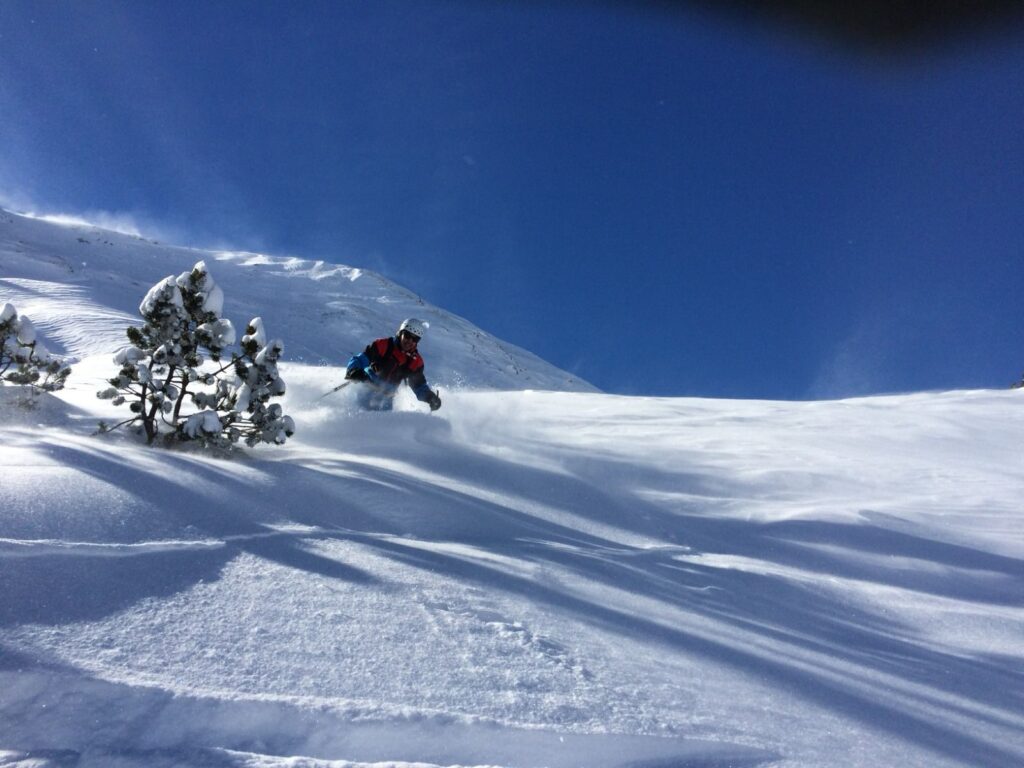
As confidence builds, skiers often find a natural flow. Each turn creates a cloud of snow that sparkles in the sunlight. There are no tracks ahead, only possibility.
Unlike resort skiing, heli skiing encourages awareness rather than speed. Skiers read the terrain, adjust to snow texture, and move with the mountain instead of against it.
This connection creates a powerful sense of presence and freedom.
Heli skiing is usually done in small groups. This creates a strong sense of camaraderie. Guests encourage one another, share impressions, and celebrate each successful descent.
The shared experience of remote terrain and fresh powder builds quick bonds. Many guests describe heli skiing as both an individual and collective adventure.
Depending on conditions and the day’s plan, a heli ski experience may include one or several descents. Terrain varies from wide open bowls to gentle ridgelines and flowing alpine faces.
Guides adjust routes based on group ability and snow stability. This flexibility ensures that each run feels rewarding without being overwhelming.
After the final descent, guests regroup and reflect on the experience. The helicopter returns to collect the group, offering one last aerial view of the mountains.
Returning to base feels different after heli skiing. Many guests notice a sense of calm mixed with exhilaration. The experience leaves a deep impression that lingers long after skis are removed.
Heli skiing is physically demanding, but it is also deeply rewarding. Muscles are engaged, senses are heightened, and adrenaline flows naturally.
Emotionally, the experience often brings a sense of achievement and gratitude. Being allowed into such remote and beautiful terrain creates respect for nature and appreciation for expert guidance.
Heli skiing stands apart from other ski experiences because it combines adventure, beauty, and exclusivity. From take off to powder descent, every moment feels intentional and rare.
It is not simply about skiing better snow. It is about experiencing the mountains in their purest form, guided by professionals who understand their power and fragility.
Heli skiing is best suited for confident skiers who are comfortable in off piste terrain. It is not about extreme tricks or speed, but about control, awareness, and adaptability.
For those who meet these requirements, the experience often becomes a highlight of their skiing life.
Conclusion
Inside the heli ski experience lies a journey unlike any other. From careful preparation and smooth take off to silent landings and flowing powder descents, every step is designed to respect the mountain and reward the skier.
Heli skiing offers more than fresh snow. It offers perspective, presence, and a deep connection to the alpine world. For those seeking a truly unforgettable mountain adventure, few experiences compare.
FAQs
1. What is heli skiing?
Heli skiing uses a helicopter to access remote alpine terrain not served by ski lifts.
2. Is heli skiing safe?
Yes, when operated by certified guides who assess weather, snow, and terrain conditions carefully.
3. Do I need to be an expert skier?
You should be a confident and experienced skier comfortable in off piste conditions.
4. What equipment is required?
Standard ski gear plus avalanche safety equipment such as transceiver, shovel, and probe.
5. How many people are in a group?
Groups are small to ensure safety and a personalized experience.
6. How long does a heli ski day last?
It varies, but typically includes preparation, one or more descents, and return flights.
7. What does helicopter flight feel like?
Flights are smooth and controlled, offering breathtaking alpine views.
8. Are landings difficult?
No. Landings are performed by experienced pilots on approved landing zones.
9. Can the weather cancel a heli ski day?
Yes. Weather and safety conditions determine whether flights can proceed.
10. Why do people describe heli skiing as unforgettable?
Because it combines untouched snow, remote terrain, expert guidance, and a profound connection to the mountains.













 Offers
BOOK NOW dining
BOOK NOW offer
BOOK NOW wellness
BOOK NOW event
BOOK NOW occasions
Reserve Your Table